

Zebra Plant (Aphelandra) Care: A Complete Guide
The zebra plant (Aphelandra squarrosa) is one of the most striking — and most demanding — foliage houseplants you can grow, prized for its glossy dark leaves streaked with bold white veins and its dramatic yellow flower bracts. This complete zebra plant care guide covers everything that matters for how to care for a zebra plant: light, watering, humidity, soil, temperature, feeding, and the leaf-drop and crispy-edge problems that trip up most owners[1][2]. Aphelandra squarrosa is genuinely fussy, but the rules are simple: never let it dry out, never let it chill, and keep the air humid.
Zebra plant care snapshot
Light
Bright indirect; no direct sun
Water
Keep consistently moist; never dry out
Humidity
High — 60% or more
Temperature
65–80°F; no cold drafts
Soil
Rich, moisture-retentive, well-draining
Feeding
Every 2–4 weeks in growth
Toxicity
Non-toxic to pets (ASPCA)
Difficulty
Fussy — intermediate to advanced
01 · MEET THE PLANT
What the zebra plant is and where it comes from
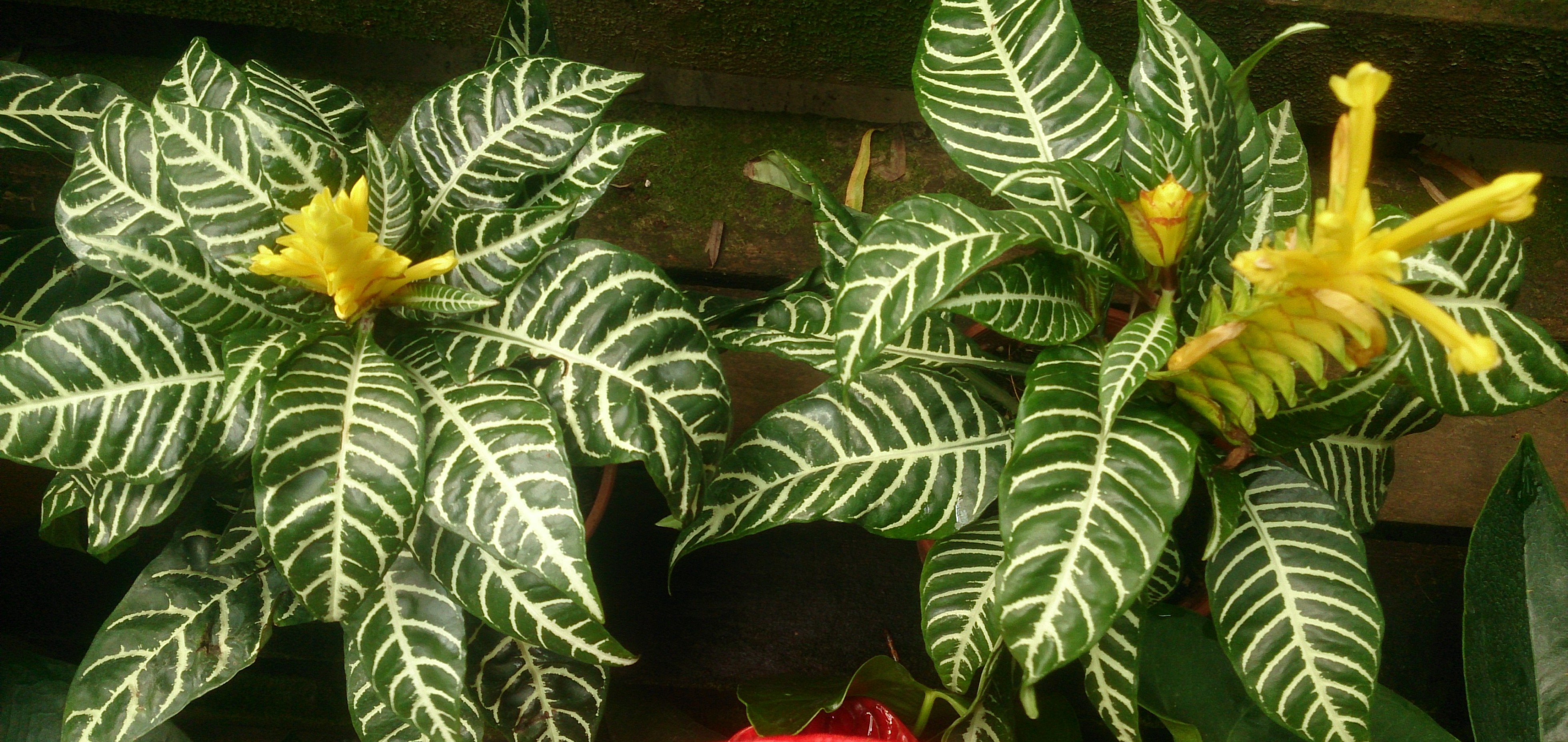
The zebra plant is Aphelandra squarrosa, an evergreen tropical shrub in the acanthus family (Acanthaceae) native to the warm, humid understory of Brazil's Atlantic coastal forest[3][4]. In the wild it grows in dappled shade under a dense canopy, which is exactly why it resents direct sun, dry air, and cold rooms indoors. Its common name comes from the vivid ivory veins that stripe its deep-green leaves; mature plants also throw up cone-shaped spikes of overlapping golden-yellow bracts that can last for weeks.
One quick point of confusion worth clearing up: the name “zebra plant” is also used for two unrelated plants. A striped succulent, Haworthiopsis (formerly Haworthia) fasciata, is sometimes sold as a zebra plant, and the prayer plant relative Calathea zebrina shares the nickname too. This zebra plant care guide is specifically about the tropical Aphelandra squarrosa — if your plant is a small spiky rosette, it is a succulent and needs very different, drier care.
02 · LIGHT
Zebra plant light needs
Zebra plant care starts with getting light right. Aphelandra squarrosa wants bright, indirect light all day but no direct sun, which scorches the leaves and bleaches the stripes[5]. An east-facing window, or a spot a few feet back from a bright south or west window behind a sheer curtain, is ideal. Too little light and the plant grows leggy, stops flowering, and drops its lower leaves. For a deeper breakdown, see our zebra plant light requirements guide.

03 · WATERING
How to water a zebra plant
Watering is where most zebra plant care goes wrong. Aphelandra squarrosa demands soil that stays consistently moist — not soggy, but never bone dry — because even one full dry-out triggers sudden leaf drop and crispy edges[6]. Water thoroughly with tepid water as soon as the top of the soil begins to feel dry, then empty the saucer so roots never sit in standing water. In warm, bright conditions that often means watering every few days; in winter, slightly less. See how often to water a zebra plant for a full schedule.

04 · SOIL & POTTING
The best soil and pots for zebra plants
A zebra plant needs a rich, moisture-retentive potting mix that still drains freely — a peat- or coir-based houseplant mix loosened with 20% perlite gives it the moisture it craves without becoming waterlogged[7]. Always use a pot with drainage holes, and keep the plant slightly snug; Aphelandra squarrosa flowers better when it is not over-potted. Repot in spring only when roots fill the pot, moving up just one pot size and refreshing the mix.

05 · TEMPERATURE & HUMIDITY
Temperature and humidity for zebra plants
Warmth and humidity make or break zebra plant care. Keep Aphelandra squarrosa between 65 and 80°F, away from cold drafts, heat vents, and windowpanes; temperatures below about 60°F stress the plant and drop its leaves[8]. Just as important, it needs high humidity — 60% or more. Dry indoor air, especially in winter, causes the brown crispy leaf edges zebra plant owners dread. Run a humidifier, group it with other plants, or stand the pot on a pebble tray to keep the air moist around the foliage.
06 · FEEDING & PRUNING
Feeding and pruning a zebra plant
During spring and summer, feed a zebra plant with a balanced liquid houseplant fertilizer at half strength every 2–4 weeks to fuel healthy leaves and encourage the golden bracts[7]. Stop feeding in winter when growth slows. After the flower bracts fade, cut the spent bloom stalk back to a strong pair of leaves; this tidies the plant and encourages branching. Zebra plants naturally grow leggy with age, so pruning back the main stem after flowering keeps Aphelandra squarrosa compact and bushy.
07 · PROBLEMS & TOXICITY
Common zebra plant problems and pet safety
- Leaf drop. The classic zebra plant complaint. Usually caused by the soil drying out, cold drafts, or a sudden change in conditions — keep moisture, warmth, and humidity steady.
- Crispy brown leaf edges. Almost always low humidity or underwatering. Raise humidity above 60% and water more consistently.
- Wilting or yellowing. Wilting in dry soil means thirst; wilting in wet soil points to root rot from overwatering. Adjust watering and make sure the pot drains.
- Pests. Watch for spider mites, aphids, mealybugs, and scale, which thrive when air is dry — rinse the foliage and treat with insecticidal soap.
- Toxicity. Good news for pet owners: the zebra plant (Aphelandra squarrosa) is listed by the ASPCA as non-toxic to dogs and cats[9].
If overwatering has set in, ease back on water, improve drainage, and read how to stop overwatering houseplants.
08 · PROPAGATION & SIZE
Propagating and sizing up a zebra plant
Propagate a zebra plant in spring from 4–6 inch stem-tip cuttings taken just below a node. Dip in rooting hormone, plant in moist mix, and keep warm (around 70°F) under a clear cover for high humidity; roots form in a few weeks. This is the best way to renew an old, leggy Aphelandra squarrosa. Indoors, zebra plants typically reach 1–2 feet tall and wide, staying compact with regular pruning after flowering.
ACQUATERRA
A zebra plant hates drying out — keep soil moisture steady with a terracotta watering spike.
Shop AcquaTerra →That is the whole of zebra plant care: bright indirect light, soil that never dries out, high humidity, steady warmth, light regular feeding, and a prune after flowering. Meet those needs and Aphelandra squarrosa rewards you with striped leaves and glowing yellow bracts. Keep going with our zebra plant light requirements and how often to water a zebra plant guides.
Zebra plant care FAQ
Is a zebra plant hard to care for?
Yes, the zebra plant is one of the fussier houseplants. It needs bright indirect light, consistently moist soil, high humidity, and steady warmth. Get those right and it thrives; let it dry out or chill and it drops leaves.
Why is my zebra plant dropping leaves?
Leaf drop on Aphelandra squarrosa is usually caused by the soil drying out, cold drafts, or low humidity. Keep moisture, warmth, and humidity consistent and the plant will stabilize.
How often should I water a zebra plant?
Water whenever the top of the soil starts to feel dry, keeping it consistently moist but never soggy. In warm, bright conditions that is often every few days; less in winter. Never let it dry out completely.
Why are my zebra plant's leaf edges turning brown and crispy?
Crispy brown edges are a sign of low humidity or underwatering. Raise humidity above 60 percent with a humidifier or pebble tray and keep the soil evenly moist.
Is the zebra plant toxic to cats and dogs?
No. The zebra plant, Aphelandra squarrosa, is listed by the ASPCA as non-toxic to dogs and cats, making it a pet-safe choice.
Are all “zebra plants” the same?
No. This guide covers the tropical Aphelandra squarrosa. The name is also used for the succulent Haworthiopsis fasciata and the prayer-plant relative Calathea zebrina, which need different care.
References
- [1] Royal Horticultural Society. (n.d.). Aphelandra squarrosa / RHS Gardening. rhs.org.uk.
- [2] Missouri Botanical Garden. (n.d.). Aphelandra squarrosa — Plant Finder. missouribotanicalgarden.org.
- [3] Royal Botanic Gardens, Kew. (n.d.). Aphelandra squarrosa Nees. Plants of the World Online. powo.science.kew.org.
- [4] USDA, Agricultural Research Service. (2023). GRIN: Aphelandra squarrosa. npgsweb.ars-grin.gov.
- [5] University of Florida IFAS Extension. (n.d.). Aphelandra (zebra plant). gardeningsolutions.ifas.ufl.edu.
- [6] University of Minnesota Extension. (n.d.). Zebra plant and other flowering houseplants. extension.umn.edu.
- [7] Penn State Extension. (2020). Houseplant care: watering, fertilizing, and repotting. extension.psu.edu.
- [8] Clemson Cooperative Extension. (n.d.). Indoor flowering plants: zebra plant. Home & Garden Information Center. hgic.clemson.edu.
- [9] ASPCA. (n.d.). Zebra plant (Aphelandra squarrosa) — non-toxic to dogs and cats. aspca.org.
- [10] North Carolina State Extension. (n.d.). Aphelandra squarrosa. plants.ces.ncsu.edu.
- [11] University of Wisconsin–Madison Division of Extension. (n.d.). Zebra plant, Aphelandra squarrosa. hort.extension.wisc.edu.
- [12] Michigan State University Extension. (n.d.). Flowering houseplants. canr.msu.edu.
- [13] Iowa State University Extension and Outreach. (n.d.). Zebra plant (Aphelandra squarrosa). hortnews.extension.iastate.edu.
- [14] Taiz, L., & Zeiger, E. (2010). Plant Physiology, 5th ed. Sinauer Associates.
- [15] Lambers, H., Chapin, F.S., & Pons, T.L. (2008). Plant Physiological Ecology, 2nd ed. Springer.