

How to Stop Overwatering Houseplants: Signs, Fixes & Prevention
Overwatering is the leading cause of houseplant death — not underwatering, not low light, not pests. Here’s how to recognize it, fix it, and prevent it from happening again.
Most people who kill houseplants kill them with kindness. Overwatering houseplants is the #1 cause of indoor plant death according to every major university extension service that publishes houseplant care guidelines. The University of Florida IFAS Extension1, the University of Minnesota Extension2, and Clemson Cooperative Extension3 all identify overwatering as the most common and most preventable cause of houseplant failure.
The problem isn’t the amount of water per watering event — it’s the frequency. Watering on a fixed schedule (“every Sunday”) without checking whether the soil actually needs moisture leads to chronically waterlogged soil, oxygen-starved roots, and eventually root rot. This guide covers how to spot overwatering, how to fix plants that are already suffering, and how to prevent it with better technique and the right tools.
01 · The Symptoms
Signs of overwatering houseplants
Overwatering symptoms often mimic underwatering, which is why so many plant owners respond to a struggling plant by watering more — exactly the wrong move. Here are the reliable indicators:
- Yellowing leaves, starting from the bottom. Lower leaves turn yellow and eventually soft or mushy. This differs from underwatering yellowing, which typically affects the entire plant and produces crispy (not soft) leaves.
- Soil stays wet for more than a week. If you water and the soil is still moist 7–10 days later, the soil is retaining too much moisture. This can mean the pot lacks drainage, the soil mix is too dense, or you’re watering too frequently.
- Musty or sour smell from the soil. Healthy soil smells earthy. Waterlogged soil develops anaerobic bacteria that produce a distinct sour or rotten smell — a sign root rot may already be underway.
- Fungus gnats. Those tiny flies hovering around your plants are fungus gnats, and they thrive in consistently wet soil. Their presence is a reliable indicator that soil moisture levels are too high.

Soft, mushy stems near the soil line. This indicates advanced root rot has spread to the stem base. At this stage, saving the plant requires aggressive intervention — repotting, root trimming, or propagation from healthy stem cuttings.
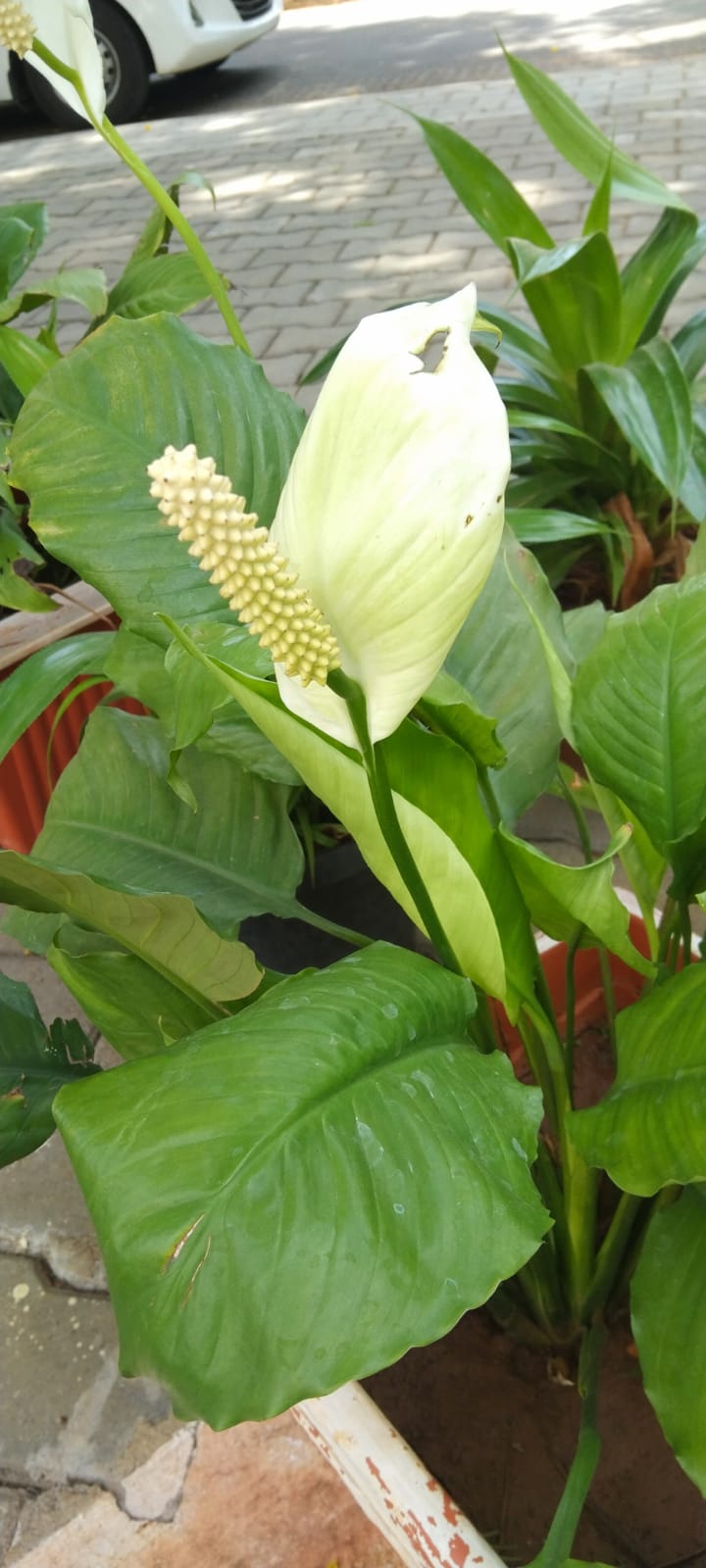
Peace lilies are a common victim — their dramatic wilting looks like underwatering, so owners water more, accelerating the root rot that was causing the wilting in the first place.


Plants most vulnerable to overwatering
Drought-tolerant plants — snake plants, ZZ plants, succulents, cacti, and dracaenas — are the most commonly overwatered because owners apply tropical-plant watering schedules to plants that evolved in dry conditions. These plants need their soil to dry completely between waterings. A snake plant watered weekly in a low-light corner is almost certain to develop root rot.
02 · The Fix
How to fix an overwatered plant
03 · Prevention
How to prevent overwatering houseplants
Use the finger test, not a calendar. Check the soil before every watering. For most tropical plants, water when the top 1–2 inches are dry. For drought-tolerant plants, wait until the soil is dry most of the way through the pot. The University of Minnesota Extension specifically recommends against watering on a fixed schedule.2
Choose pots with drainage holes. Every pot needs drainage. Decorative pots without holes should only be used as cache pots (with a draining inner pot inside). Standing water at the bottom of a sealed pot is a root rot factory.

.jpg)
04 · The Tools
How self watering devices prevent overwatering
The reason most people overwater is that manual watering is all-or-nothing: you pour a large volume of water at once, and then the plant sits in saturated soil until it dries. Self watering devices flip this by delivering small, measured amounts of moisture continuously — preventing both the flood and the drought that manual watering creates.
The AcquaTerra terracotta spike is physically incapable of overwatering because its porous clay only releases moisture when the surrounding soil is drier than the water inside the spike. When the soil reaches adequate moisture, the flow stops. It’s a passive, physics-based safeguard against overwatering that works 24/7. For a longer treatment, see our full AcquaTerra guide.
The Dynamic Dripper takes a different approach — you set the exact drip rate with an adjustable valve. For plants prone to overwatering, set a very slow rate (1 drop every 90–180 seconds) that delivers small amounts of moisture over days or weeks, preventing the saturated-soil conditions that cause root rot.
THE OVERWATERING PARADOX
Overwatering isn’t about giving too much water at once — it’s about watering too frequently before the soil has had a chance to dry appropriately. A thorough watering followed by proper drying time is healthier than frequent small waterings that keep the soil perpetually damp. Self watering devices succeed because they deliver moisture in small, continuous amounts rather than large, periodic floods.
05 · The Bottom Line
Overwatering is a frequency problem, not a volume problem
Overwatering houseplants is a frequency problem, not a volume problem. Check soil moisture before every watering, ensure all pots have drainage, use well-draining soil mixes, and match your watering approach to each plant’s actual needs. Self watering devices — whether terracotta spikes that self-regulate based on soil moisture or adjustable drip spikes that deliver measured, slow-release hydration — are the most effective tools for preventing the chronic overwatering that kills more houseplants than any other cause.
THE EARTH LAUGHS IN FLOWERS
Stop overwatering.
Start self-watering.
References
01 University of Florida IFAS Extension. “Watering Your Indoor Plants.” gardeningsolutions.ifas.ufl.edu
02 University of Minnesota Extension. “Watering Houseplants.” extension.umn.edu
03 Clemson Cooperative Extension. “Indoor Plants — Watering.” hgic.clemson.edu