

How Often to Water a Zebra Plant: Schedule, Signs, and Factors That Matter
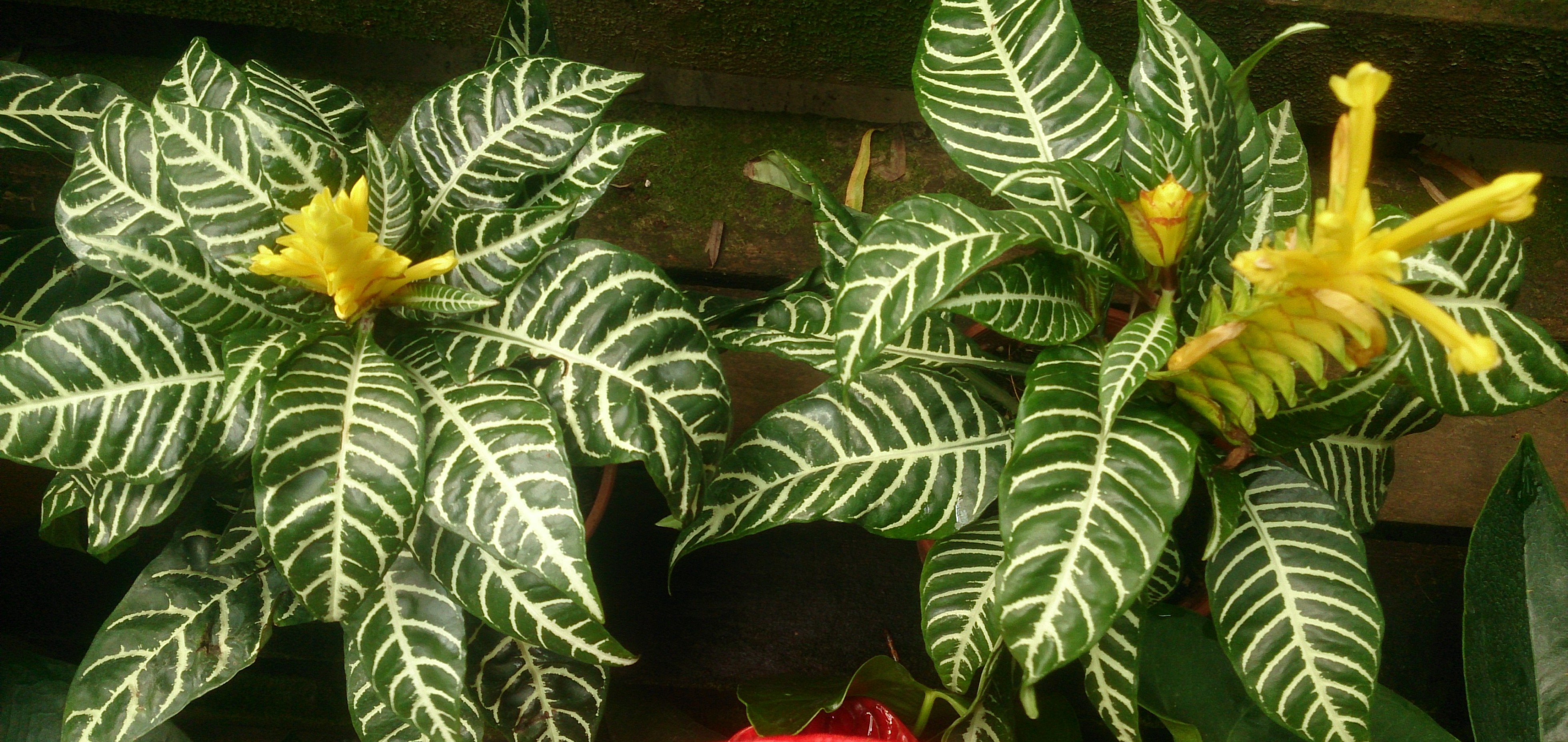
The zebra plant (Aphelandra squarrosa) is grown for two things: its glossy dark-green leaves streaked with bright white veins, and the tall yellow flower bracts it can push out in late summer[1][2]. It also has a reputation as one of the fussier tropical houseplants, and almost all of that reputation comes down to water and humidity. Let it dry out and the leaves droop, curl, and drop; keep it soggy and the roots rot. This guide covers how often to water a zebra plant based on the horticulture, which variables genuinely move the schedule, and how to keep the striped foliage crisp without waterlogging the roots.
A quick note on names: “zebra plant” is used for three unrelated plants — the striped succulent Haworthiopsis fasciata, the prayer plant Calathea zebrina, and the tropical Aphelandra squarrosa. This article is about Aphelandra squarrosa, the leafy Acanthaceae houseplant with yellow bracts. If you have a small spiky succulent or a Calathea, its watering needs are different.
Water a zebra plant every 5–7 days when the top inch of soil is dry. Spring and summer: every 5–7 days, keeping the soil evenly moist. Fall and winter: every 7–14 days. Zebra plants want steady moisture and high humidity, and they are sensitive to both extremes — drought causes leaf drop, while constant sogginess causes root rot. The crispy brown leaf edges owners dread come mostly from low humidity and inconsistent watering.
01 · THE SIMPLE ANSWER
How often to water a zebra plant
In typical indoor conditions — bright indirect light, household temperatures of 65–80°F, and standard houseplant soil — a zebra plant needs water every 5–7 days during active growth and every 7–14 days in the cooler months[1][2]. The goal is soil that stays evenly moist but never waterlogged — not the soak-and-bone-dry cycle that suits a succulent. The single most common mistake is letting the rootball dry out completely between waterings, which triggers the leaf drop zebra plants are known for.
Aphelandra squarrosa is a member of the acanthus family (Acanthaceae), native to the warm, humid Atlantic coastal forests of Brazil, where it grows in dappled shade on the moist forest floor with steady year-round rainfall[3][4]. That origin explains everything about its care: it expects consistent moisture, warmth, and high humidity, and it has little tolerance for drying out. Named forms such as ‘Louisae’ and ‘Dania’ differ in size and vein contrast but share the same watering needs.
Use the finger test: push a finger 1 inch into the soil. If it is dry, water. If it is still moist, wait a day or two and check again. Because a zebra plant signals thirst quickly through drooping and curling, consistency matters more than hitting an exact day count.
02 · THE BOTANY
Why zebra plants droop and drop leaves so easily
Zebra plant leaves are large, thin, and broad — adaptations for capturing dim light on a shaded forest floor. Thin leaves have little water storage, so they hold themselves out almost entirely through turgor, the internal water pressure inside their cells[5]. When the soil dries faster than the roots can keep up, turgor drops and the leaves visibly droop and curl at the edges within hours. Rewater in time and they lift back up; leave it too long and the stress becomes permanent.
That responsiveness makes the zebra plant an honest “thirst gauge,” but it comes at a cost. Each severe wilt stresses the leaf margins, and repeated drying leaves permanent crispy brown edges and drops the lowest leaves — the classic zebra plant complaint of a bare, leggy stem topped by a few leaves[6]. The aim is to water before the plant faints, not after.
Humidity is inseparable from watering for this species. Coming from a rainforest understory, the zebra plant expects 60%+ relative humidity. In dry indoor air the leaf tips and margins brown even when the soil is perfectly moist, because the leaves lose water faster than the roots can supply it[7]. This is why so many owners water more and more, trying to fix a problem that is really an air-moisture problem.
The yellow flower bracts that give the plant its appeal are produced only on well-grown, unstressed plants after a season of steady moisture, warmth, and feeding. A zebra plant bounced between drought and sogginess will spend its energy surviving rather than flowering[8].
03 · SEASONAL SCHEDULE
Zebra plant watering schedule by season
Zebra plants grow year-round indoors but slow noticeably in winter as light decreases and indoor heating dries the air[1][2].
01 · Spring (Mar–May)
Every 5–7 days
Active growth resumes. Keep the soil evenly moist and begin feeding as new leaves emerge.
02 · Summer (Jun–Aug)
Every 5–7 days
Peak growth and possible flowering. Warmth raises demand — check every few days and keep humidity high.
03 · Fall (Sep–Nov)
Every 7–10 days
Growth slows as light drops. Ease off slightly and move plants away from cold windows and drafts.
04 · Winter (Dec–Feb)
Every 10–14 days
Minimal growth. Water less but never let the rootball dry fully — and fight the dry heated air with humidity.
04 · FACTORS THAT MATTER
Six factors that change how often you water a zebra plant
Light: Bright indirect light drives faster growth and quicker water cycling. Zebra plants in dim corners cycle water slowly and grow leggy; those in scorching direct sun bleach and dry out fast. An east-facing window or a spot near a bright window with a sheer curtain is ideal.
Humidity: This is the make-or-break variable for zebra plants. They want 60%+ relative humidity; dry indoor air (below 40%, common in winter) causes crispy leaf edges independent of soil moisture. A humidifier or pebble tray does more to keep the foliage crisp than any change in watering frequency.
Temperature: Zebra plants want steady warmth between 65–80°F. Cold drafts below 60°F stress the plant and can trigger leaf drop. Keep them away from drafty windows, AC vents, and exterior doors.
Pot size and material: Larger pots dry slower; smaller pots dry faster. Porous terracotta wicks moisture out faster than plastic or glazed ceramic. A zebra plant in a small terracotta pot may need water every 5 days, while the same plant in a glazed pot may go 7–8 days.
Soil mix: Use a rich, moisture-retentive but free-draining mix — a peat- or coir-based potting mix with 15–20% perlite balances water holding against drainage[9]. Heavy, compacted soil that stays waterlogged is the fast route to root rot.
Plant maturity and size: A large, well-leafed zebra plant transpires far more than a young cutting and dries its pot faster. A mature specimen in bright summer light may need water every 4–5 days, while a small starter plant in a shadier spot may stretch to 7–10.
05 · UNDERWATERING SIGNS
Signs your zebra plant needs water
The zebra plant is a vivid wilter — it signals thirst earlier and more visibly than most houseplants.[10]
- Leaves droop and curl downward. The earliest reversible thirst signal — leaves lose their outstretched posture and the edges roll under. Watering promptly usually restores turgor within a few hours.
- Crispy brown leaf edges and tips. Chronic under-watering combined with low humidity browns the leaf margins. This damage is permanent on affected leaves even after you correct watering.
- Lower leaves drop. Persistent drought stress makes the plant shed its oldest leaves from the bottom up, leaving a bare, leggy lower stem — the classic zebra plant decline.
- Soil pulls away from the pot edge. Severely dry mix shrinks and turns hydrophobic, so water channels down the gap and straight out the bottom. Bottom-soak the pot in a basin to fully rehydrate the rootball.

06 · OVERWATERING SIGNS
Signs you’ve overwatered your zebra plant
Because zebra plants are so thirsty, owners often overcorrect and keep the soil constantly saturated — the fast route to root rot.[11][12]
- Wilting despite wet soil. The most confusing sign — a zebra plant that looks thirsty but sits in soggy soil has rotting roots that can no longer take up water. Do not water more; let the soil dry and check drainage.
- Yellowing leaves throughout the plant. Widespread yellowing (not just the oldest leaves) points to root rot from overwatering rather than normal aging or drought.
- Soft, mushy stems at the base. Stems should be firm. Softness or blackening near the soil line signals rot reaching the crown — take healthy top cuttings to save the plant.
- Persistently soggy soil and fungus gnats. Soil that stays wet for over a week and clouds of small flies both point to chronic overwatering or poor drainage. Let the top inch dry between waterings.
Recovery means unpotting, trimming away rotted roots, and repotting in fresh well-draining soil — or taking healthy stem cuttings and starting over. For the full protocol, see how to stop overwatering houseplants.
07 · THE METHOD
How to actually water a zebra plant
Water thoroughly until it drains freely from the pot’s holes — usually 1.5–2.5 cups (350–600 ml) for a 6–8-inch pot[11]. Even, complete saturation encourages deep rooting, which buffers the plant against the fast drying that causes drooping.
Bottom watering works well for zebra plants. Set the pot in a basin for 20–30 minutes, let the soil draw moisture up, then drain. This ensures even rootball saturation and keeps water off the crowded leaf bases, where standing droplets can encourage fungal spotting.
Always empty saucers and cache pots after watering. Zebra plant roots left sitting in standing water rot quickly.
Use room-temperature water. Cold tap water is a shock to warm-loving tropicals — let it sit overnight, or use filtered or rainwater at room temperature. Pair watering with humidity: grouping plants, a pebble tray, or a humidifier keeps the leaf edges from browning.
After flowering, cut the spent bract back to a pair of healthy leaves. This tidies the plant and channels its energy back into foliage and, eventually, the next bloom.
08 · TEMPERAMENT & QUICK FACTS
Zebra plant temperament and quick facts
The zebra plant (Aphelandra squarrosa) is an evergreen tropical subshrub from the Atlantic coastal forest of eastern Brazil, a warm, densely shaded, perpetually humid habitat that shapes its whole personality[1]. It has earned a name as one of the fussier houseplants: it demands steady warmth, high humidity, and consistently moist soil, and it protests the moment those slip — drooping fast, browning at the leaf margins, and shedding its lower leaves whenever the air turns cold or dry or the rootball runs short.
Indoors it stays fairly compact, usually 12–24 inches tall, growing upright and bushy with paired, glossy dark-green leaves striped boldly along the veins in white or cream[2]. To look its best it wants bright indirect light rather than harsh sun, stable temperatures of 65–80°F well away from cold drafts and heat vents, and relative humidity of 60% or higher — essentially a recreation of the rainforest understory it came from.
The plant’s signature feature is its bloom: a cone of overlapping golden-yellow bracts that pushes up in late summer on a well-grown specimen and holds for several weeks, with small tubular flowers emerging between the bracts. Named cultivars differ mainly in size and vein contrast — ‘Louisae’ is the familiar large-leaved form, ‘Dania’ a more compact selection, and ‘Red Apollo’ a darker-leaved type with reddish tones[8].
Happily for pet owners, Aphelandra squarrosa is listed as non-toxic to cats and dogs by the ASPCA, making it a safe pick for animal households[10]. One caution on the name: “zebra plant” is ambiguous, shared with an unrelated spiky succulent (Haworthiopsis fasciata, formerly a Haworthia) and with the prayer plant Calathea zebrina — all three look and behave differently, so confirm you have the Aphelandra before following this care. And because its thirst makes it tricky to leave behind, see how to water a zebra plant while on vacation when you travel.
ACQUATERRA
Steady, consistent everyday moisture for a thirsty zebra plant — no more crispy edges or collapse between waterings.
Shop AcquaTerra →
Zebra plants reward steady, attentive watering with striped foliage and yellow bracts, and they punish neglect quickly. Water every 5–7 days when the top inch of soil is dry, keep the soil evenly moist without waterlogging, hold humidity high, and maintain warm, stable temperatures. Get those in balance and the crispy edges and leaf drop largely disappear.
Frequently asked questions
How often should I water a zebra plant?
Every 5–7 days when the top inch of soil is dry, keeping the soil evenly moist. Spring and summer: every 5–7 days. Fall and winter: every 7–14 days. Zebra plants want steady moisture, not a soak-and-dry cycle.
Why does my zebra plant keep drooping?
It holds its leaves up by water pressure, so it droops fast when the soil dries, then recovers within hours of watering. Frequent drooping means you are watering too late. But drooping in wet soil is the opposite problem — root rot from overwatering.
Why does my zebra plant have crispy brown leaf edges?
Almost always low humidity, often combined with letting the soil dry too far. Zebra plants want 60%+ humidity; a humidifier or pebble tray usually fixes the browning faster than watering more.
How much water does a zebra plant need?
Roughly 1.5–2.5 cups (350–600 ml) per watering for a 6–8-inch pot, or enough to drain freely from the pot’s holes. Always empty the saucer afterward.
Should I mist my zebra plant?
Misting helps briefly but does not raise humidity for long. For lasting effect, use a pebble tray, group plants together, or run a humidifier. Aim water at the soil rather than wetting the crowded leaf bases.
Is the zebra plant the same as the succulent zebra plant?
No. The name is shared by three plants: Aphelandra squarrosa (this tropical, high-moisture houseplant), the succulent Haworthiopsis fasciata, and the prayer plant Calathea zebrina. The succulent wants far less water — check which you have before following any schedule.
How often to water a zebra plant in winter?
Every 10–14 days in winter, sometimes longer in cool rooms or low light — but never let the rootball dry out completely. Humidity matters more than watering frequency in the dry heating season.
What happens if I overwater my zebra plant?
Root rot, marked by yellowing leaves, wilting in wet soil, soft mushy stems, and persistently soggy soil. Take healthy stem cuttings to save the cultivar and repot in fresh well-draining mix. See how to stop overwatering houseplants.
References
- [1] Royal Horticultural Society. (n.d.). Aphelandra squarrosa / RHS Gardening. rhs.org.uk.
- [2] Missouri Botanical Garden. (n.d.). Aphelandra squarrosa — Plant Finder. missouribotanicalgarden.org.
- [3] Royal Botanic Gardens, Kew. (n.d.). Aphelandra squarrosa Nees. Plants of the World Online. powo.science.kew.org.
- [4] Wasshausen, D.C. (1975). The genus Aphelandra (Acanthaceae). Smithsonian Contributions to Botany, 18, 1–157.
- [5] Taiz, L., & Zeiger, E. (2010). Plant Physiology, 5th ed. Sinauer Associates.
- [6] University of Minnesota Extension. (2021). Houseplant care. extension.umn.edu.
- [7] Penn State Extension. (2020). Houseplant Care: Watering, Fertilizing, and Repotting. extension.psu.edu.
- [8] University of Florida IFAS Extension. (n.d.). Aphelandra (zebra plant) — foliage plant care. edis.ifas.ufl.edu.
- [9] Clemson Cooperative Extension. (n.d.). Indoor Plants — Watering. Home & Garden Information Center. hgic.clemson.edu.
- [10] North Carolina State Extension. (n.d.). Aphelandra squarrosa. plants.ces.ncsu.edu.
- [11] Pennisi, S.V., & Thomas, P.A. (2009). Growing Indoor Plants with Success. University of Georgia Extension, Bulletin 1318.
- [12] Daughtrey, M.L., & Benson, D.M. (2005). Principles of plant health management for ornamental plants. Annual Review of Phytopathology, 43, 141–169.
- [13] USDA, Agricultural Research Service. (2023). GRIN: Aphelandra squarrosa. npgsweb.ars-grin.gov.
- [14] Lambers, H., Chapin, F.S., & Pons, T.L. (2008). Plant Physiological Ecology, 2nd ed. Springer.
- [15] McDade, L.A., Daniel, T.F., & Kiel, C.A. (2008). Toward a comprehensive understanding of phylogenetic relationships among lineages of Acanthaceae. American Journal of Botany, 95(9), 1136–1152.