

Watering a Hibiscus: A Complete Guide to Frequency and Method
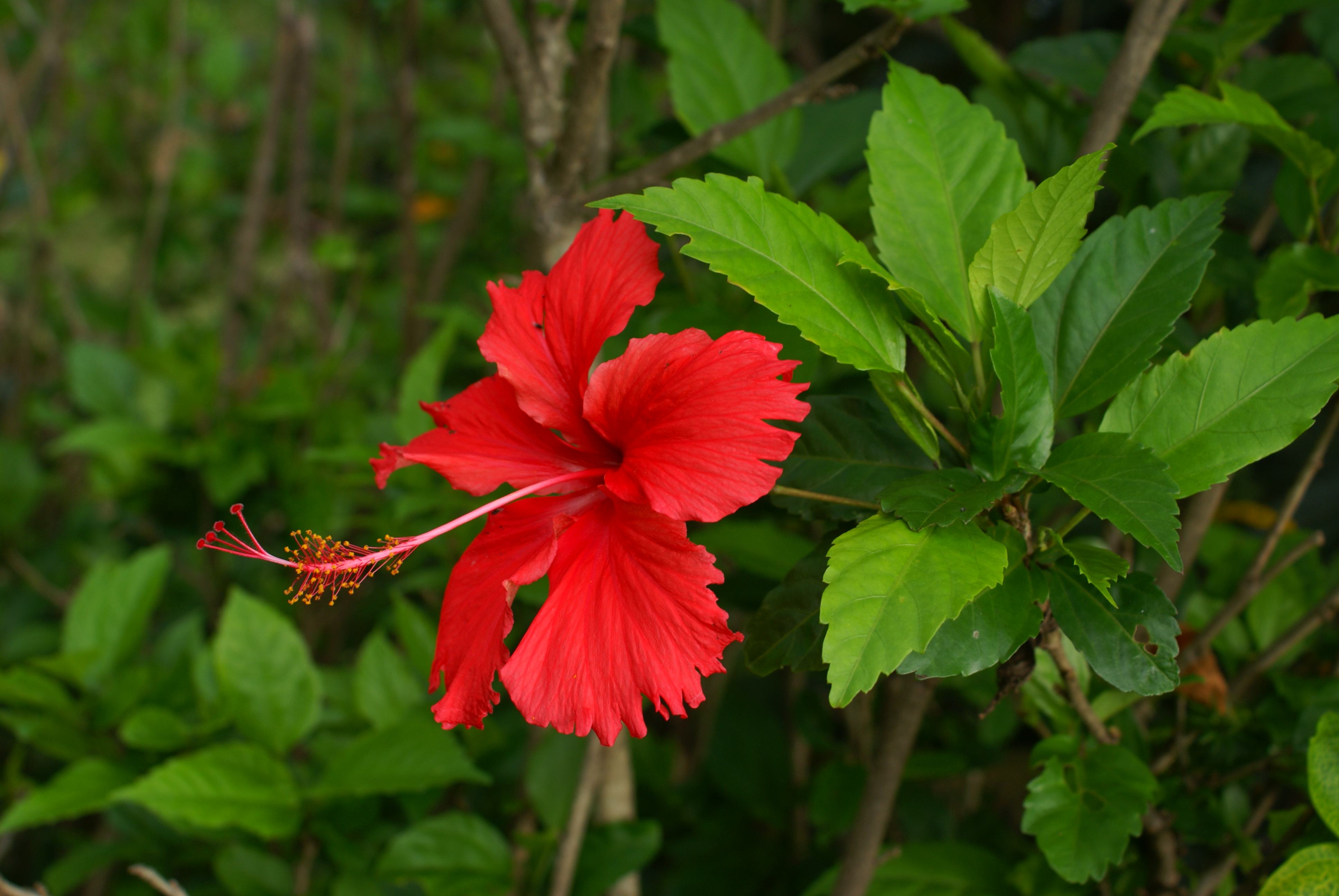
Tropical hibiscus (Hibiscus rosa-sinensis) is grown for one thing above all: the flowers. Each bloom is enormous, vividly coloured, and gone within a day or two, so the plant has to keep producing a fresh succession all season[1][2]. That flower factory runs on water. A hibiscus in bloom is one of the thirstiest plants on the patio, and the moment it runs short it does the one thing owners dread — it drops its buds. This guide covers watering a hibiscus properly: how often, which variables genuinely move the schedule, and the method that keeps the soil evenly moist without ever going soggy.
Water a hibiscus whenever the top inch of soil is dry. In summer heat a container hibiscus in full sun often needs water every single day — sometimes twice on the hottest days — and every 2–3 days in milder weather. In-ground plants need a deep soak roughly twice a week. Indoors and in winter, drop back sharply to every 7–10 days. Hibiscus wants evenly moist, free-draining soil: never bone dry, never soggy. Drought stress causes bud drop; waterlogging causes root rot.
01 · THE SIMPLE ANSWER
How often to water a hibiscus
In typical growing conditions, a hibiscus needs water whenever the top inch of soil dries out. For a container plant outdoors in summer that usually means daily, and in a heat wave a large, blooming plant in a modest pot may need checking twice a day[1][3]. In mild spring or autumn weather the same plant may stretch to every 2–3 days. Planted in the ground, a hibiscus prefers one or two deep soaks a week rather than frequent light sprinklings. Grown as a houseplant or overwintered indoors, drop to roughly every 7–10 days.
The governing principle for watering a hibiscus is evenly moist, never soggy. This is a plant that wants a lot of water delivered through free-draining soil, not a plant that wants to sit in it. Its high demand comes from its tropical Asian origins, where it grows as an evergreen shrub in warm, bright, reliably rained-on conditions[4]. It never evolved a drought strategy, so it has no reserve to draw on when the pot dries out.
Use the finger test: push a finger an inch into the soil. If it is dry, water thoroughly. If it is still moist, wait and check again in the evening. In peak summer with a hibiscus in full bloom, assume you will be watering every day until the soil tells you otherwise — the cost of guessing wrong in the dry direction is a plant covered in aborted buds.
02 · THE BOTANY
Why a blooming hibiscus is so thirsty
A hibiscus carries a large canopy of broad, thin, dark-green leaves with a high stomatal density — an anatomy built for fast gas exchange and fast photosynthesis in bright tropical light. The trade-off is enormous transpiration. On a hot, sunny, breezy day a mature plant can move a startling volume of water from root to leaf to air, and the roots have to keep pace[6].
On top of that sits the flowering load. Each hibiscus bloom is a short-lived, water-filled structure that the plant inflates by turgor, uses for a day, and discards. Producing them continuously is expensive in both energy and water, and the plant treats developing buds as the first thing to cut when supply tightens. This is the mechanism behind the classic complaint: a hibiscus that dries out even once will often shed a wave of fat, nearly-open buds a few days later[7]. The damage is done at the moment of stress; the visible loss arrives afterwards.

The reverse failure is just as real. Hibiscus roots need oxygen, and permanently saturated soil suffocates them and opens the door to root-rot organisms[12]. That is why the answer to a thirsty hibiscus is a free-draining mix watered often, not a dense mix kept swampy. High volume plus fast drainage is the combination the plant is built for.
One reassuring note for households with animals: hibiscus is listed by the ASPCA as generally non-toxic to dogs, cats, and horses, though as with any plant, large quantities of chewed foliage can cause mild stomach upset[9].
03 · SEASONAL SCHEDULE
Hibiscus watering schedule by season
Hibiscus is a warm-season grower with a dramatic seasonal swing in water use: flat out from late spring through summer, then slowing sharply as light and temperature fall. Outdoors it is damaged by frost, so in temperate climates it usually moves indoors for the winter and rests[3][10].
01 · Spring (Mar–May)
Every 2–4 days
Growth restarts and demand climbs fast. Increase watering as the plant leafs out and the first buds appear.
02 · Summer (Jun–Aug)
Daily
Peak demand. Containers in full sun need water every day, sometimes morning and evening in a heat wave.
03 · Fall (Sep–Nov)
Every 3–6 days
Demand tapers with the light. Bring plants indoors before nights turn cold, then reduce watering further.
04 · Winter (Dec–Feb)
Every 7–10 days
Indoors and semi-dormant. Water sparingly, keep off cold windowsills and away from heat vents, and never leave it standing wet.
04 · FACTORS THAT MATTER
Six factors that change how often you water a hibiscus
Sun exposure: The single biggest variable. A hibiscus in the 6+ hours of full sun it needs to bloom transpires two to three times as fast as one in partial shade — so the placement that gives you the most flowers is also the one that demands the most water. See hibiscus light requirements for how to get that balance right.
Heat, wind, and exposure: Hot, breezy, exposed positions empty a pot remarkably fast. A hibiscus on a windy south-facing balcony can need water twice a day in midsummer, while the same plant in a sheltered courtyard manages on one.
Container versus ground: This changes the entire schedule. Container plants have a limited soil volume and dry out within hours in heat; in-ground hibiscus draws on a far larger reservoir and prefers deep, infrequent soaking — roughly twice a week — that encourages deep rooting.
Pot size and material: Small pots and porous terracotta dry fastest; large glazed or plastic containers hold moisture longer. A root-bound hibiscus is the extreme case — almost no soil left to hold water, so it wilts within hours. If yours dries out impossibly fast, it likely needs potting on.
Soil mix and drainage: Hibiscus wants a rich but genuinely free-draining mix — a quality peat- or coir-based potting compost with 20–30% perlite or bark works well, in a pot with generous drainage holes[11]. Dense, water-holding mixes are how a heavy watering routine turns into root rot.
Bloom load and plant size: A large hibiscus carrying dozens of buds and open flowers is the thirstiest it will ever be. A young, non-flowering plant of the same species uses a fraction as much. Expect your watering frequency to rise as the bloom cycle peaks.

05 · UNDERWATERING SIGNS
Signs your hibiscus needs water
Hibiscus signals thirst clearly, but the most expensive symptom — bud drop — shows up days after the stress that caused it[7]:
- Wilting leaves and drooping shoot tips. The earliest visible signal. A hibiscus that dries in the afternoon and revives after watering has been stressed, even if it looks fine by morning.
- Bud drop. Fat, nearly-open buds yellow at the base and fall without opening. The classic hibiscus response to drought stress — and often the only sign that the plant dried out while you were away.
- Yellowing lower leaves that drop. Persistent under-watering makes the plant shed its oldest foliage from the bottom up, leaving bare lower stems.
- Soil pulling away from the pot edge. Severely dry mix shrinks and turns hydrophobic, so water runs down the gap and straight out the bottom. Bottom-soak the pot in a basin for 20–30 minutes to rehydrate the whole rootball.
06 · OVERWATERING SIGNS
Signs you’ve overwatered your hibiscus
Because hibiscus is so thirsty in summer, owners often carry the same heavy routine into autumn and winter — the fast route to root rot in a plant that is barely growing[12][13]:

- Wilting despite wet soil. The most confusing sign — a hibiscus that looks thirsty while sitting in soggy compost has damaged roots that can no longer take up water. Do not water more; let the mix dry and check drainage.
- Widespread yellow leaves on constantly wet soil. Yellowing spread across the whole plant, rather than just the oldest leaves, plus soil that never dries, points to overwatering rather than thirst.
- Dark, mushy roots and a sour smell. Tip the plant out of its pot: healthy hibiscus roots are firm and pale. Soft, brown, foul-smelling roots mean rot — trim them away and repot into fresh, free-draining mix.
- Fungus gnats and a permanently damp surface. Small flies hovering around the pot indicate soil that never dries. Let the top inch dry between waterings and they subside.
If rot has set in, act quickly: unpot, cut away all dark mushy roots, reduce the canopy to match the reduced root system, and repot into a smaller container of fresh gritty mix. For the full recovery protocol, see how to stop overwatering houseplants.
07 · THE METHOD
How to actually water a hibiscus
Water thoroughly until it drains freely from the pot’s holes — roughly 4–6 cups (1–1.5 litres) for a 10-inch pot, considerably more for a large patio container[11]. Complete saturation on every watering matters more for hibiscus than for most plants: light, partial watering only wets the top few inches and leaves the deep roots — the ones that buffer the plant against afternoon heat — permanently dry.
Water in the early morning so the plant enters the hottest part of the day fully charged. Aim the water at the soil rather than the flowers — wet blooms mark and collapse early, and damp foliage overnight encourages fungal problems.
Always empty saucers and cache pots after watering. A hibiscus left standing in a full saucer for days is the single most common way an otherwise well-cared-for plant develops root rot.
For in-ground plants, soak deeply and less often. A slow trickle at the base for 15–20 minutes twice a week beats a daily sprinkle, and a 2–3 inch mulch ring — kept off the stem — slows evaporation and moderates soil temperature.
Feed alongside watering during the bloom season. Hibiscus is a heavy feeder that responds to a fertilizer moderate in nitrogen, low in phosphorus, and generous in potassium — but only apply it to already-moist soil, never to a dry rootball, to avoid burning the roots.
08 · TEMPERAMENT & QUICK FACTS
What a hibiscus is really like
Hibiscus rosa-sinensis is a tender evergreen shrub in the mallow family (Malvaceae), of tropical Asian origin and now grown across the tropics and subtropics as a hedge, dooryard shrub, and container plant[4][14]. It has no frost tolerance at all, so in temperate climates it lives outdoors for the warm months and comes inside for winter. That heritage explains its whole personality: it wants heat, brightness, and constant moisture, and it protests the instant any of the three runs short.
As a plant to live with, hibiscus is showy, thirsty, and a little melodramatic. It is not difficult — it grows fast, takes hard pruning well, and roots readily from semi-ripe cuttings — but it is emphatic about its needs. It sheds buds when it dries out, sheds leaves when it is moved somewhere darker or colder, and attracts aphids and whitefly on soft new growth. None of that is fatal; it simply asks for consistency. Grown in a container it typically reaches 3–6 feet tall and can be kept smaller with pruning; in frost-free ground it can build to a 6–10 foot shrub.
On conditions, hibiscus wants full sun — 6 or more hours of direct light for heavy blooming — steady warmth above roughly 55°F, and higher humidity than most homes offer in winter. The named forms run from classic single reds through enormous ruffled doubles to modern ‘exotic’ hybrids in apricot, lavender, and multi-toned blends, and there are variegated-leaf selections such as ‘Snow Queen’. Note that hardy garden hibiscus — Hibiscus syriacus (rose of Sharon) and Hibiscus moscheutos (hardy hibiscus) — are different species with different cold tolerance, though they share the same broad appetite for water. On pets: the ASPCA lists hibiscus as generally non-toxic to dogs, cats, and horses, which makes it a comparatively relaxed choice for animal households[9].
For the day-to-day rhythm in a quick-reference format, see our earlier guide on how often to water a hibiscus, and pair it with hibiscus light requirements — because sun exposure is what sets the watering schedule in the first place.
ACQUA OLLA
Buried slow-release watering for thirsty hibiscus beds and big patio pots — steady moisture between waterings, and no more bud drop.
Shop Acqua Olla →Watering a hibiscus well is mostly about consistency at the right scale. Water whenever the top inch of soil is dry — daily for containers in summer sun, every 2–3 days in mild weather, a deep soak twice weekly in the ground, and every 7–10 days indoors in winter. Soak thoroughly, drain freely, empty the saucer, and never let a blooming plant dry to the point of wilting. Get that rhythm right and the flowers keep coming. For placement, see hibiscus light requirements.
Frequently asked questions
How often should I water a hibiscus?
Water whenever the top inch of soil is dry. In summer that usually means daily for containers in full sun, and every 2–3 days in milder weather. In-ground plants want a deep soak twice a week; indoors in winter, every 7–10 days.
Why is my hibiscus dropping its buds?
Bud drop is almost always a stress response, and the most common trigger is the soil drying out — even once. Sudden temperature change, a move to a darker spot, and root rot from soggy soil do it too. Keep the soil evenly moist and the plant in stable conditions.
Do hibiscus need a lot of water?
Yes — hibiscus is among the thirstiest flowering container plants, especially while blooming in summer heat. It wants consistently moist soil, but it still needs free drainage, because sitting in water causes root rot.
How much water does a hibiscus need?
Roughly 4–6 cups (1–1.5 litres) per watering for a 10-inch pot, or enough to drain freely from the drainage holes. Large patio containers and in-ground shrubs need considerably more per soaking.
Should I water hibiscus every day?
In summer, a container hibiscus in full sun usually does need daily water — but check the soil rather than watering on autopilot. In spring, autumn, and winter, daily watering will drown it. Let the top inch of soil decide.
How often to water a hibiscus indoors in winter?
Every 7–10 days, sometimes longer in a cool, dim room. Growth is minimal, so water sparingly and always let the top inch dry first — but keep humidity up, because dry heated air causes leaf drop.
Is hibiscus toxic to pets?
The ASPCA lists hibiscus as generally non-toxic to dogs, cats, and horses. As with any plant, a pet eating a large quantity of foliage may get mild stomach upset, so it is still sensible to discourage chewing.
References
- [1] Royal Horticultural Society. (n.d.). Hibiscus rosa-sinensis / RHS Gardening. rhs.org.uk.
- [2] Missouri Botanical Garden. (n.d.). Hibiscus rosa-sinensis — Plant Finder. missouribotanicalgarden.org.
- [3] University of Wisconsin–Madison Division of Extension. (n.d.). Tropical hibiscus, Hibiscus rosa-sinensis. hort.extension.wisc.edu.
- [4] Royal Botanic Gardens, Kew. (n.d.). Hibiscus rosa-sinensis L. Plants of the World Online. powo.science.kew.org.
- [5] University of Florida IFAS Extension. (2021). Hibiscus in the Florida landscape. Gardening Solutions. gardeningsolutions.ifas.ufl.edu.
- [6] Taiz, L., & Zeiger, E. (2010). Plant Physiology, 5th ed. Sinauer Associates.
- [7] University of Minnesota Extension. (2021). Growing and overwintering tropical hibiscus. extension.umn.edu.
- [8] Michigan State University Extension. (n.d.). Watering container plants in summer heat. canr.msu.edu.
- [9] ASPCA. (n.d.). Hibiscus — toxic and non-toxic plants. aspca.org.
- [10] North Carolina State Extension. (n.d.). Hibiscus rosa-sinensis. NC State Extension Plant Toolbox. plants.ces.ncsu.edu.
- [11] Penn State Extension. (2020). Houseplant care: watering, fertilizing, and repotting. extension.psu.edu.
- [12] Clemson Cooperative Extension. (n.d.). Hibiscus diseases & other problems. Home & Garden Information Center. hgic.clemson.edu.
- [13] Lambers, H., Chapin, F.S., & Pons, T.L. (2008). Plant Physiological Ecology, 2nd ed. Springer.
- [14] USDA, Agricultural Research Service. (2023). GRIN: Hibiscus rosa-sinensis. npgsweb.ars-grin.gov.
- [15] University of Georgia Extension. (n.d.). Growing hibiscus in containers and the landscape. extension.uga.edu.