

How Often to Water a Hibiscus
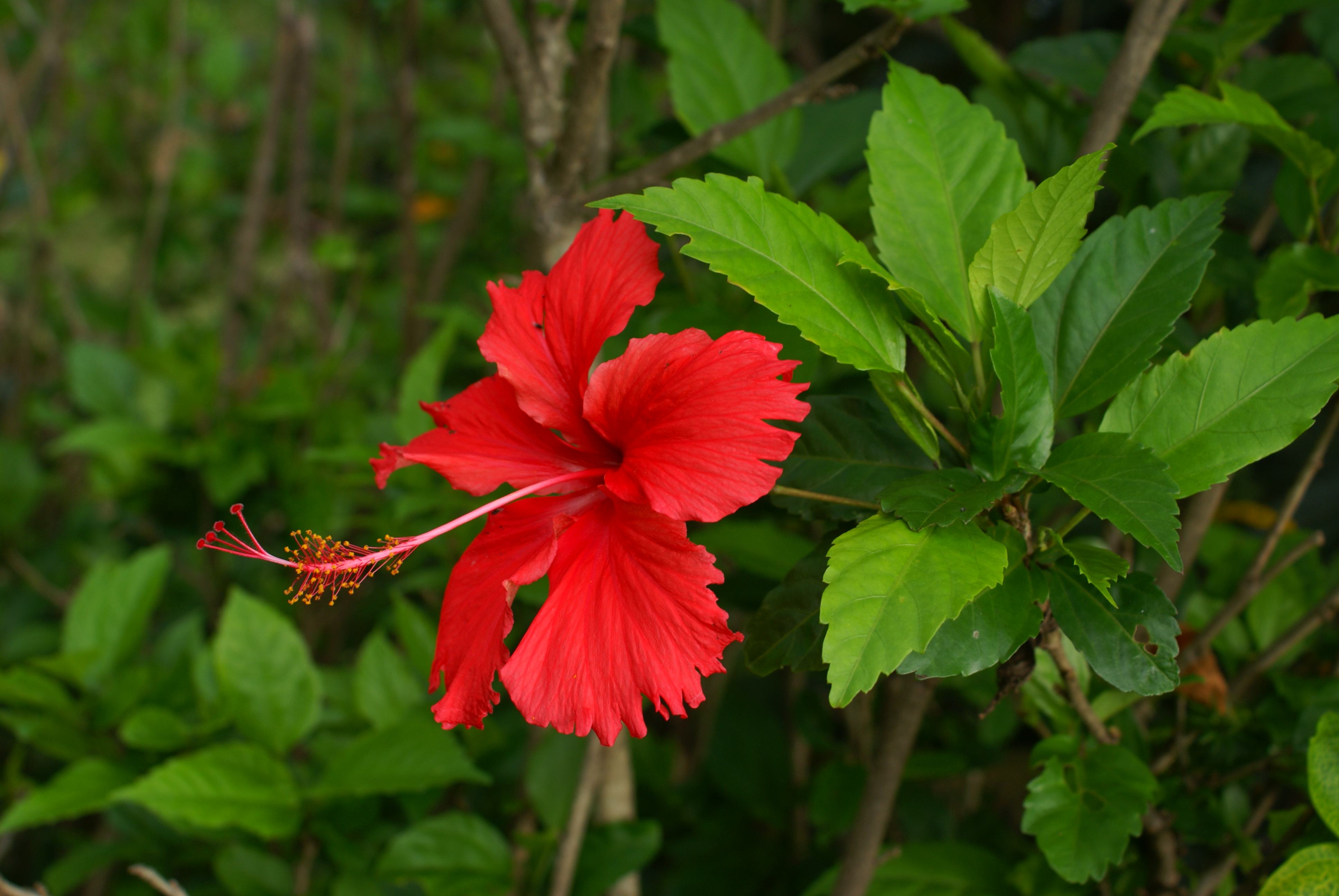
Hibiscus (Hibiscus rosa-sinensis and related species) are thirsty flowering shrubs that produce spectacular blooms but require substantial consistent water during the growing season[1]. Tropical hibiscus are particularly demanding — their large flowers, lush foliage, and tropical origin all combine to make them among the most water-needy flowering plants in cultivation. This guide tells you how often to water a hibiscus based on horticultural research, what changes the schedule for tropical vs. hardy varieties, container vs. in-ground, and how to recognize the signs of common hibiscus watering problems.
Water tropical hibiscus deeply every 2–3 days in summer heat, every 5–7 days in cooler weather. Hardy hibiscus needs slightly less — every 3–5 days in summer. Container hibiscus dries faster and may need daily watering in extreme heat. Avoid wet foliage when possible to reduce disease risk.
01 · THE SIMPLE ANSWER
How often to water a hibiscus
Tropical hibiscus (Hibiscus rosa-sinensis) needs water every 2–3 days during summer heat and every 5–7 days in cooler weather[1][2]. Container hibiscus dries faster than in-ground plants and may need daily watering during hot dry weeks. Hardy hibiscus (Hibiscus moscheutos and related cold-tolerant species) needs slightly less frequent watering — every 3–5 days in summer.
Tropical hibiscus is native to subtropical and tropical regions where it grows year-round in conditions of regular heavy rainfall[3]. The plant evolved to tolerate consistent moisture but never developed serious drought tolerance — it shows stress quickly when soil dries beyond preferred levels. Hardy hibiscus, in contrast, dies back to the ground each winter and tolerates somewhat drier conditions during its active growing season.
Use the finger test: stick a finger 1 inch into the soil. If dry, water deeply. If still moist, wait one day and check again. Hibiscus prefers consistently moist soil — never bone-dry, never waterlogged.
02 · THE BOTANY
Why hibiscus needs so much water
Hibiscus plants combine three water-demanding features: large transpiration-heavy leaves, large showy flowers requiring substantial energy and water to produce, and a continuous flowering habit that means the plant is producing blooms throughout the growing season[4][5]. A mature tropical hibiscus in full bloom can use 1–2 gallons of water per day under summer conditions.
The flowers themselves are short-lived — each bloom typically lasts just 1–2 days — but the plant produces new buds continuously throughout the growing season. This continuous reproduction is metabolically expensive and requires steady water supply. Drought-stressed hibiscus drops buds before they open, reducing both the visible bloom count and overall plant vigor[6].
Like many flowering tropicals, hibiscus is also susceptible to fungal leaf diseases when foliage stays wet. Watering at the base rather than overhead reduces disease risk substantially[7]. This is why drip irrigation and olla irrigation work particularly well for hibiscus — they deliver consistent water to roots without wetting foliage.
03 · SEASONAL SCHEDULE
Hibiscus watering schedule by season
Hibiscus water demand varies dramatically with season and climate. Below are typical intervals for an established tropical hibiscus[1][2].
01 · Spring (Mar–May)
Every 4–5 days
Growth resumes. Buds begin forming. Increase watering as temperatures rise.
02 · Summer (Jun–Aug)
Every 2–3 days
Peak bloom and growth. Hot dry weeks may require daily watering for containers.
03 · Fall (Sep–Nov)
Every 5–7 days
Growth slows. Bloom continues but at reduced rate. Reduce watering progressively.
04 · Winter (Dec–Feb)
Every 7–14 days
Indoor plants enter near-dormancy. Hardy hibiscus dies back to ground — minimal water needed.
04 · FACTORS THAT MATTER
Six factors that change how often you water hibiscus
Container vs. in-ground: Container hibiscus dries substantially faster. Mature in-ground hibiscus may need watering every 5–7 days in summer; the same plant in a 12-inch pot may need watering every 1–2 days.
Tropical vs. hardy variety: Tropical hibiscus is the more demanding of the two. Hardy hibiscus (rose mallow) tolerates slightly drier conditions and dies back to ground each winter, simplifying winter care.
Weather: Hot dry windy conditions can double water demand. Cool overcast weather halves it. Heavy rainfall substitutes for one or more waterings. Track weather rather than the calendar.
Pot size and material: Larger pots dry slower. Terra cotta dries faster than glazed ceramic or plastic. A hibiscus in a 14-inch glazed ceramic pot may need watering every 3 days; the same plant in a 14-inch terra cotta pot may need watering every 2 days.
Bloom load: A hibiscus heavily in bloom uses more water than one between bloom cycles. Drought-stressed hibiscus drops buds; well-watered hibiscus produces continuous blooms.
Mulching: 2–3 inches of mulch reduces water demand by 30–50%. Heavily mulched in-ground hibiscus needs substantially less frequent watering than unmulched plants.
05 · UNDERWATERING SIGNS
Signs your hibiscus needs water
Hibiscus gives clear early thirst signals.[8]
- Leaves wilt and lose firmness. Earliest visible thirst sign. Hibiscus leaves angle downward and lose firmness when soil dries beyond preferred levels. Recovery is fast with watering.
- Bud drop — buds fall off before opening. Drought-stressed hibiscus sacrifices flower buds. Buds shrivel and fall before opening. Resuming consistent watering returns the plant to normal bloom within 2–3 weeks.
- Yellow lower leaves. Chronic mild drought causes the plant to sacrifice oldest leaves. Yellow lower leaves while upper leaves remain green indicates watering schedule problems.
- Crispy brown leaf edges. Chronic under-watering combined with hot dry conditions browns leaf edges. Affected damage is permanent on those leaves.
06 · OVERWATERING SIGNS
Signs you’ve overwatered your hibiscus
Hibiscus is moisture-loving but not waterlogging-tolerant. Overwatering symptoms appear as root rot and fungal disease.[9]
- Yellow leaves throughout the plant. Multiple yellow leaves — especially from the interior of the plant — signal root damage from chronic over-saturation.
- Fungal leaf spot disease. Dark spots on leaves indicate fungal disease, often promoted by wet foliage from overhead watering. Watering at the base reduces this dramatically.
- Mushy roots when unpotted. Container hibiscus that’s declining can be unpotted to inspect roots. Healthy roots are firm and white; rotted roots are mushy and black.
- Persistent soil sogginess. Soil that stays soggy for more than 2 days post-watering indicates poor drainage or chronic over-saturation. Improve drainage.
07 · THE METHOD
How to actually water hibiscus
Water at the base of the plant, never on the leaves. Wet hibiscus foliage promotes fungal disease and serves no plant function[7]. Drip irrigation, watering wand at soil level, and olla irrigation all work well.
Water deeply. For an established in-ground tropical hibiscus, this is 3–5 gallons per deep watering. For container hibiscus, water until water drains freely from the pot’s holes, usually 1–2 gallons for a 14-inch pot[2].
Water in the morning when possible. Morning watering lets foliage dry quickly if it does get wet, reducing fungal disease risk.
Olla irrigation works exceptionally well for hibiscus beds. The slow consistent release matches what the plant prefers, and water reaches roots without wetting foliage. See best plants for olla irrigation for plant suitability and ollas for hot weather and arid climates for hot climate setup.
08 · AWAY FROM HOME
Watering your hibiscus while you’re away
Hibiscus is among the most demanding plants to leave during summer travel because of its high water needs. Container hibiscus needs attention or a self-watering setup for any absence longer than 2–3 days in summer heat. In-ground tropical hibiscus with deep mulching tolerates 5–7 day absences in moderate weather.
For longer summer absences, olla irrigation or drip irrigation on a timer is essential. See ollas for hot weather and arid climates for arid climate olla setup. For summer container plant management, see plant watering devices for outdoor potted plants summer guide.
The most common hibiscus vacation watering mistake: a single heavy watering before leaving without ongoing slow-release. Container hibiscus can dry out within 2 days in summer heat regardless of how heavily you watered before leaving.
Hibiscus watering is demanding but predictable: deep watering every 2–3 days in summer heat for tropical varieties, less frequently in cooler weather and for hardy varieties. Always water at the base, never overhead. Mulch heavily and use olla irrigation in hot climates for best results. For broader olla education, see best plants for olla irrigation.
Frequently asked questions
How often should I water a hibiscus?
Tropical hibiscus needs water every 2–3 days in summer heat, every 5–7 days in cooler weather. Hardy hibiscus needs slightly less — every 3–5 days in summer. Container plants need more frequent watering.
How do I know when my hibiscus needs water?
Stick a finger 1 inch into the soil. If dry, water deeply. Wilted leaves and dropping flower buds also indicate drought stress.
How often to water hibiscus in summer?
Tropical hibiscus needs watering every 2–3 days in summer heat. Container hibiscus may need daily watering during the hottest weeks.
How often to water hibiscus in pots?
Container hibiscus dries faster than in-ground plants. Water every 1–3 days in summer, every 5–7 days in cooler weather. Check soil moisture daily during hot weeks.
Why are my hibiscus buds falling off?
Bud drop is the most common sign of inconsistent watering — either too dry or too wet. Other causes include insect pests (especially thrips) and sudden temperature changes. Consistent watering is the first fix to try.
How much water does a hibiscus need?
Approximately 3–5 gallons per deep watering for an established in-ground plant. Container plants need 1–2 gallons per watering for a 14-inch pot.
Why are my hibiscus leaves turning yellow?
Multiple yellow leaves throughout the plant typically signal overwatering and root damage. Yellow leaves only on the bottom often indicate underwatering. Examine soil moisture and adjust accordingly.
Should I water hibiscus daily?
Container hibiscus in hot summer weather may need daily watering. In-ground hibiscus generally doesn’t need daily watering — deep watering every 2–3 days encourages better root development.
References
- [1] Royal Horticultural Society. (n.d.). Hibiscus rosa-sinensis / RHS Gardening. rhs.org.uk.
- [2] University of Florida IFAS Extension. (2017). Tropical hibiscus — Hibiscus rosa-sinensis. edis.ifas.ufl.edu.
- [3] Bisognin, D.A. (2011). Origin and evolution of cultivated Hibiscus. Plant Cell Reports, 30, 257–273.
- [4] Iqbal, S., et al. (2017). Irrigation regimes and growth response of Hibiscus rosa-sinensis. Scientia Horticulturae, 224, 245–253.
- [5] Missouri Botanical Garden. (n.d.). Hibiscus rosa-sinensis — Plant Finder. missouribotanicalgarden.org.
- [6] Hawaii Cooperative Extension Service. (2019). Hibiscus production guide. ctahr.hawaii.edu.
- [7] Daughtrey, M.L., & Benson, D.M. (2005). Principles of plant health management for ornamental plants. Annual Review of Phytopathology, 43, 141–169.
- [8] Texas A&M AgriLife Extension. (2018). Growing hibiscus. aggie-horticulture.tamu.edu.
- [9] Penn State Extension. (2020). Hibiscus problems and care. extension.psu.edu.
- [10] North Carolina State Extension. (2022). Hibiscus rosa-sinensis. plants.ces.ncsu.edu.
- [11] University of Minnesota Extension. (2021). Hardy hibiscus. extension.umn.edu.
- [12] American Hibiscus Society. (2020). Tropical hibiscus care guide. americanhibiscussociety.org.
- [13] USDA, Agricultural Research Service. (2023). GRIN: Hibiscus rosa-sinensis. npgsweb.ars-grin.gov.
- [14] Royal Botanic Gardens, Kew. (n.d.). Hibiscus rosa-sinensis L. powo.science.kew.org.
- [15] Bainbridge, D.A. (2001). Buried clay pot irrigation. Agricultural Water Management, 48(2), 79–88.