

Hibiscus Light Requirements: How Much Sun a Hibiscus Needs
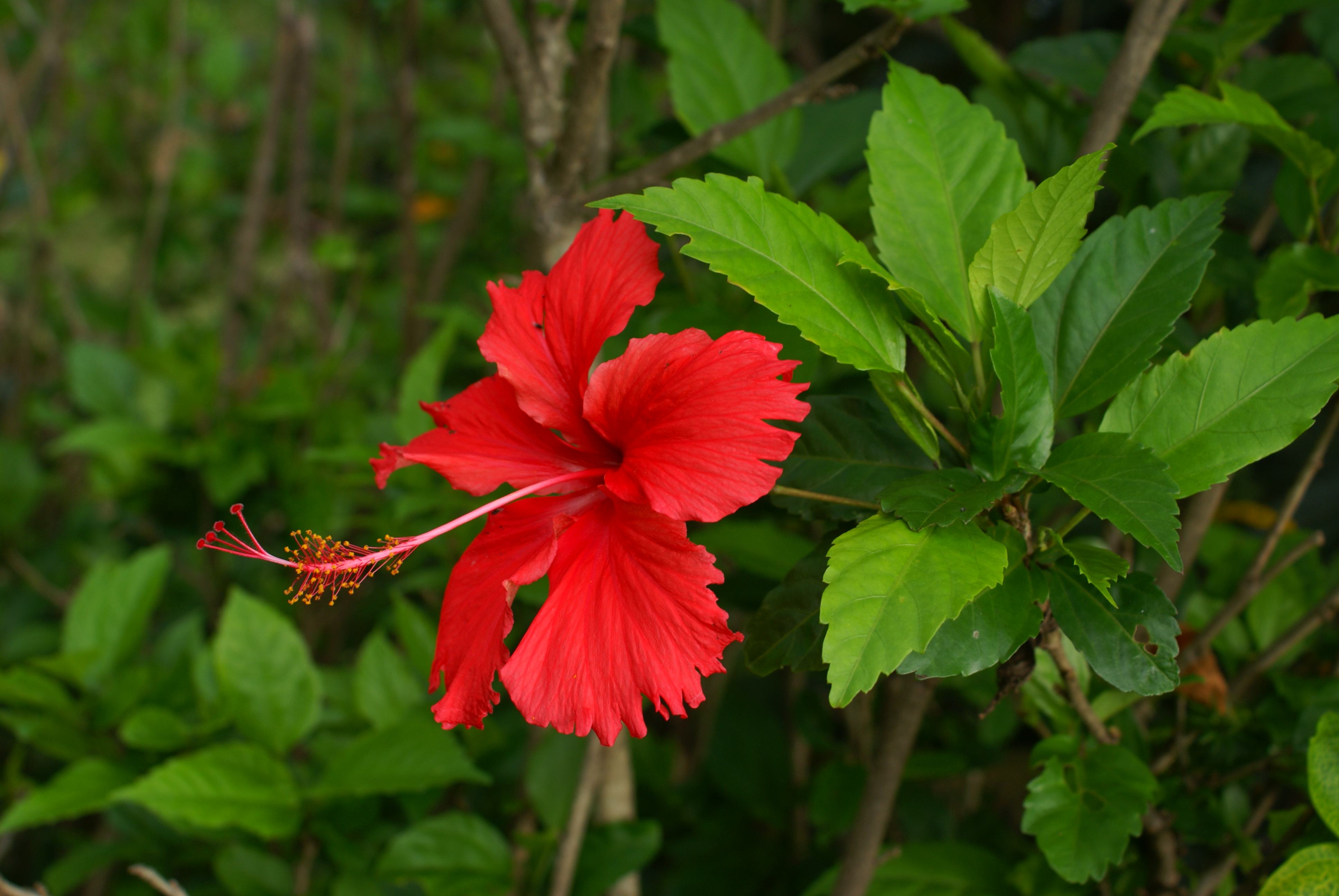
Understanding hibiscus light requirements is the difference between a shrub smothered in dinner-plate blooms and a leafy green plant that never flowers. Tropical hibiscus (Hibiscus rosa-sinensis) is a sun worshipper: it evolved in bright, warm, subtropical conditions and it converts light directly into flowers. This guide covers exactly how much sun a hibiscus needs, where to place it in the garden or the house, what too little and too much light look like, and how sunlight drives blooming[1][2].
Hibiscus light meter
Hibiscus light requirements in one line: full sun to very bright light, with at least 6 hours of direct sunlight a day for heavy blooming. In extreme heat, light afternoon shade protects the flowers and reduces water stress. Indoors, a hibiscus needs the brightest window in the house — too little light means plenty of leaves and no flowers.
01 · THE SIMPLE ANSWER
How much sun does a hibiscus need?
A hibiscus needs at least 6 hours of direct sunlight a day to bloom heavily, and it is happiest with full sun for most of the day[1][3]. Below that threshold the plant keeps growing but stops investing in flowers, which is why "my hibiscus is healthy but won't bloom" is almost always a light problem rather than a feeding problem. The one exception is genuinely extreme heat: in the hottest inland climates, a few hours of light afternoon shade keeps blooms from scorching and cuts the plant's water demand without costing you flowers.
The reason hibiscus light needs run so high is its origin. Hibiscus rosa-sinensis is a tender evergreen shrub of tropical and subtropical Asia, long cultivated across the tropics, where it grows in open, sunny sites with abundant warmth and moisture year round[4]. It is not a forest-floor plant hunting for scraps of filtered light; it is a hedge and dooryard shrub built to run photosynthesis flat out and turn that energy into a continuous succession of large, short-lived flowers.
02 · THE LIGHT METER
Hibiscus light levels, from deep shade to full sun
The easiest way to think about hibiscus light needs is a spectrum. Here is where a hibiscus wants to sit on it — the outlined band marks the ideal light conditions:
Hibiscus light meter
A hibiscus sits at the bright end of that band and stays there. It thrives in full sun and strong direct light, manages acceptably with a half day of sun, and falls apart at the dim end: in bright indirect light it survives as a foliage plant, and in low light or shade it becomes leggy, sheds buds, and stops flowering altogether[2][5]. If you remember one thing about hibiscus lighting, make it this: sun is the fuel for the flowers, and shade is the single most common reason a hibiscus does not bloom.
03 · LIGHT BY GARDEN SPOT
The best garden placement for hibiscus light
Which spot in the garden gives the right light for a hibiscus? Watching how the sun tracks across your beds and patio over a full day is the fastest way to judge the light conditions each location actually provides[6]:
Full-sun bed or patio
✓ Ideal
6–8+ hours of unobstructed direct sun. Dense growth and non-stop flowering — the perfect hibiscus placement.
Morning sun, afternoon shade
✓ Best in extreme heat
Full morning sun with relief from brutal afternoon rays. In very hot climates this protects blooms and cuts water stress.
Part shade
△ Fewer flowers
3–6 hours of direct sun. The plant survives and stays green but stretches, sets fewer buds, and blooms sparsely.
Deep shade
✗ Avoid
Under 3 hours of sun. Far too dark for a tropical hibiscus — thin, floppy growth and effectively no blooms.

Watch for changing light through the season, too. A spot that is sunny in early spring can fall into shade once nearby trees leaf out or a neighbouring shrub fills in. If flowering trails off mid-summer for no obvious reason, a creeping loss of direct sunlight is often the cause. Because hibiscus is so often grown in a pot, the fix is usually as simple as moving the container a few feet to chase the sun.
04 · TOO LITTLE LIGHT
Signs your hibiscus needs more light
A hibiscus in insufficient light is honest about it. When the light level drops below what the plant needs to fund flowering, it tells you[7]:
- No flowers at all, despite healthy leaves. The signature symptom of too little light. The plant has enough energy to build foliage but not enough to fund big, expensive blooms.
- Leggy, stretched stems with sparse leaves. Long gaps between leaves as the shrub reaches toward brighter light, leaving an open, floppy plant instead of a dense one.
- Buds that form and then drop. A hibiscus in marginal light often starts buds and aborts them before they open — bud drop is its way of cutting a cost it cannot afford.
- Soil that stays wet for days. Low light slows transpiration, so the pot never dries and root-rot risk climbs. Light and watering are two halves of the same equation.

The fix for every one of these is the same — more direct sun. Move the plant to a brighter position over a week or two rather than all at once, and prune back the leggy growth so the fresh, well-lit shoots come in dense and bud-heavy.
05 · TOO MUCH SUN
Can a hibiscus get too much sun?
Rarely — hibiscus is a full-sun plant — but in extreme heat, or on a plant that has not been acclimated, too much direct sun does show[5]:
- Bleached or scorched leaf patches. Pale, tan, papery areas on leaves that were suddenly exposed to full sun after living in shade or indoors — classic sunburn on unhardened foliage.
- Flowers that fade or crisp by midday. The huge, thin-petalled blooms are the most heat-sensitive part of the plant. Brutal afternoon sun in a hot climate can wilt them hours early.
- Afternoon wilting and very fast drying. Intense sun drives transpiration faster than the roots can supply, especially in containers. This is a water-supply problem, not a reason to reduce sun.
- Yellowing lower leaves with crispy edges. Combined heat, high light, and moisture swings show up first on the oldest foliage at the base of the plant.
The fix is almost never less light. Give the plant more consistent water, mulch the root zone, and — in genuinely extreme climates only — site it where it gets full morning sun and light shade during the fiercest afternoon hours. Any hibiscus moved from indoors to outdoors should be hardened off gradually over one to two weeks so the leaves can build up their sun tolerance.
06 · LIGHT & BLOOMING
How sunlight controls hibiscus flowering
Flowering is the clearest demonstration of how hibiscus light requirements shape the plant. A hibiscus bloom is enormous, structurally complex, and typically lasts only a day or two — which means the plant must fund a fresh one continuously through the season. That is only affordable when photosynthesis is running near maximum, and photosynthesis only runs near maximum in direct sun[2][8].
This is why more sun so reliably means more hibiscus flowers. A plant in 8 hours of sun will out-bloom the same cultivar in 4 hours several times over. Feeding helps at the margins — hibiscus responds to a fertilizer moderate in nitrogen and generous in potassium — but no amount of fertilizer substitutes for light. If a well-fed, well-watered hibiscus refuses to flower, move it into more sun before you change anything else.

Light also interacts with temperature. Tropical hibiscus needs warmth as well as brightness — it flowers best in sustained warm weather and slows or stops when nights turn cold, even if the days are sunny. That combination of long, bright days and warm nights is exactly why hibiscus blooms hardest through high summer and pauses in shoulder seasons.
07 · INDOORS, OVERWINTERING & GROW LIGHTS
Hibiscus light indoors and through winter
Grown as a houseplant or overwintered indoors, a hibiscus needs the brightest window you have — an unobstructed south-facing window in the Northern Hemisphere, or a west-facing one as a second choice. East and north windows do not supply enough light to sustain flowering; a hibiscus there will hold on as a green shrub and quietly stop budding[6]. Set the plant as close to the glass as you can without the leaves touching cold panes, and turn it every couple of weeks so it grows evenly.
Seasonal light loss is the real challenge. Winter days are short and weak, so a plant that thrived on a patio in July may drop leaves and buds when it moves inside for the cold months. Two responses help: accept a semi-dormant rest with reduced watering, or supplement with light. Hibiscus responds well to an LED grow light run 12–14 hours a day, positioned 12–24 inches above the canopy, which is usually enough to hold foliage and sometimes to keep occasional flowers coming through winter[3][9]. When you move the plant back outside in spring, re-acclimate it gradually — leaves grown under indoor light scorch easily in unfiltered sun.
08 · LIGHT & WATERING
Match watering to your hibiscus light level
Light and water are two halves of the same equation, and hibiscus makes the link unusually obvious. A hibiscus in full sun photosynthesizes hard, transpires hard, and can empty a container in a single hot day; the same plant in shade uses a fraction of that and stays wet for days. Get the sun right and the watering gets predictable — for the full schedule see watering a hibiscus: frequency and method, and our earlier guide to how often to water a hibiscus covers the day-to-day rhythm. The critical detail: a sun-grown hibiscus that dries out will drop its buds, so bright light and steady moisture have to go together.
ACQUA OLLA
Full sun speeds a hibiscus through its water — keep beds and big patio pots evenly moist with a buried terracotta olla and stop the bud drop.
Shop Acqua Olla →To sum up the hibiscus light requirements: give it full sun — 6 or more hours of direct sunlight a day — for the densest growth and the heaviest bloom, allow light afternoon shade only in genuinely extreme heat, and indoors give it the brightest window in the house or add a grow light. Treat shade as the number-one cause of a hibiscus that will not flower, and keep water steady as the sun drives up demand. For the companion guide, see watering a hibiscus: a complete guide to frequency and method.
Frequently asked questions about hibiscus light
How much sun does a hibiscus need?
Hibiscus light requirements center on full sun — at least 6 hours of direct sunlight a day for heavy blooming, and more is better in most climates. In extreme heat, light afternoon shade protects the flowers without costing you bloom count.
Can a hibiscus grow in shade?
It survives but does not thrive. In under 6 hours of sun a hibiscus grows leggy, sets fewer buds, and often drops the buds it does form. Deep shade is far too dark — expect thin growth and effectively no flowers.
Why is my hibiscus not blooming?
Too little light is the most common reason by far. A hibiscus in partial shade puts its energy into leaves instead of flowers. Move it into 6+ hours of direct sun, keep moisture steady so buds are not aborted, and avoid high-nitrogen fertilizer.
Can a hibiscus get too much sun?
Rarely. Hibiscus is a full-sun plant, but unhardened leaves can scorch after a sudden move outdoors, and blooms may crisp in brutal afternoon heat. The answer is steady water, mulch, and gradual acclimation — not less sun.
What window is best for an indoor hibiscus?
The brightest one you have — a south-facing window in the Northern Hemisphere, with west as a second choice. East and north windows are too dim to sustain flowering, so an indoor hibiscus there will stay green but stop budding.
Do hibiscus need a grow light in winter?
They benefit from one. Overwintered indoors, an LED grow light run 12–14 hours a day, 12–24 inches above the canopy, offsets weak winter daylight, reduces leaf drop, and can keep occasional flowers coming.
Does more sun mean more water for a hibiscus?
Yes, dramatically. A hibiscus in full summer sun can need daily watering in a container, while the same plant in shade stays wet for days. Because drought stress causes bud drop, bright light and steady moisture must go together.
References
- [1] Missouri Botanical Garden. (n.d.). Hibiscus rosa-sinensis — Plant Finder. missouribotanicalgarden.org.
- [2] Royal Horticultural Society. (n.d.). Hibiscus rosa-sinensis / RHS Gardening. rhs.org.uk.
- [3] University of Minnesota Extension. (2022). Lighting for indoor plants and starting seeds. extension.umn.edu.
- [4] Royal Botanic Gardens, Kew. (n.d.). Hibiscus rosa-sinensis L. Plants of the World Online. powo.science.kew.org.
- [5] Clemson Cooperative Extension. (n.d.). Hibiscus. Home & Garden Information Center. hgic.clemson.edu.
- [6] University of Florida IFAS Extension. (2021). Hibiscus & light for garden and container plants. Gardening Solutions. gardeningsolutions.ifas.ufl.edu.
- [7] Penn State Extension. (2020). Flowering shrubs and houseplants: light requirements. extension.psu.edu.
- [8] Taiz, L., & Zeiger, E. (2010). Plant Physiology, 5th ed. Sinauer Associates.
- [9] North Carolina State Extension. (n.d.). Hibiscus rosa-sinensis. NC State Extension Plant Toolbox. plants.ces.ncsu.edu.
- [10] University of Wisconsin–Madison Division of Extension. (n.d.). Tropical hibiscus, Hibiscus rosa-sinensis. hort.extension.wisc.edu.
- [11] Lambers, H., Chapin, F.S., & Pons, T.L. (2008). Plant Physiological Ecology, 2nd ed. Springer.
- [12] USDA, Agricultural Research Service. (2023). GRIN: Hibiscus rosa-sinensis. npgsweb.ars-grin.gov.
- [13] Michigan State University Extension. (n.d.). Light and flowering in container plants. canr.msu.edu.
- [14] ASPCA. (n.d.). Hibiscus — toxic and non-toxic plants. aspca.org.
- [15] University of Georgia Extension. (n.d.). Growing hibiscus in the landscape and in containers. extension.uga.edu.