

Spathiphyllum Light Requirements: A Complete Guide to Low-Light Care
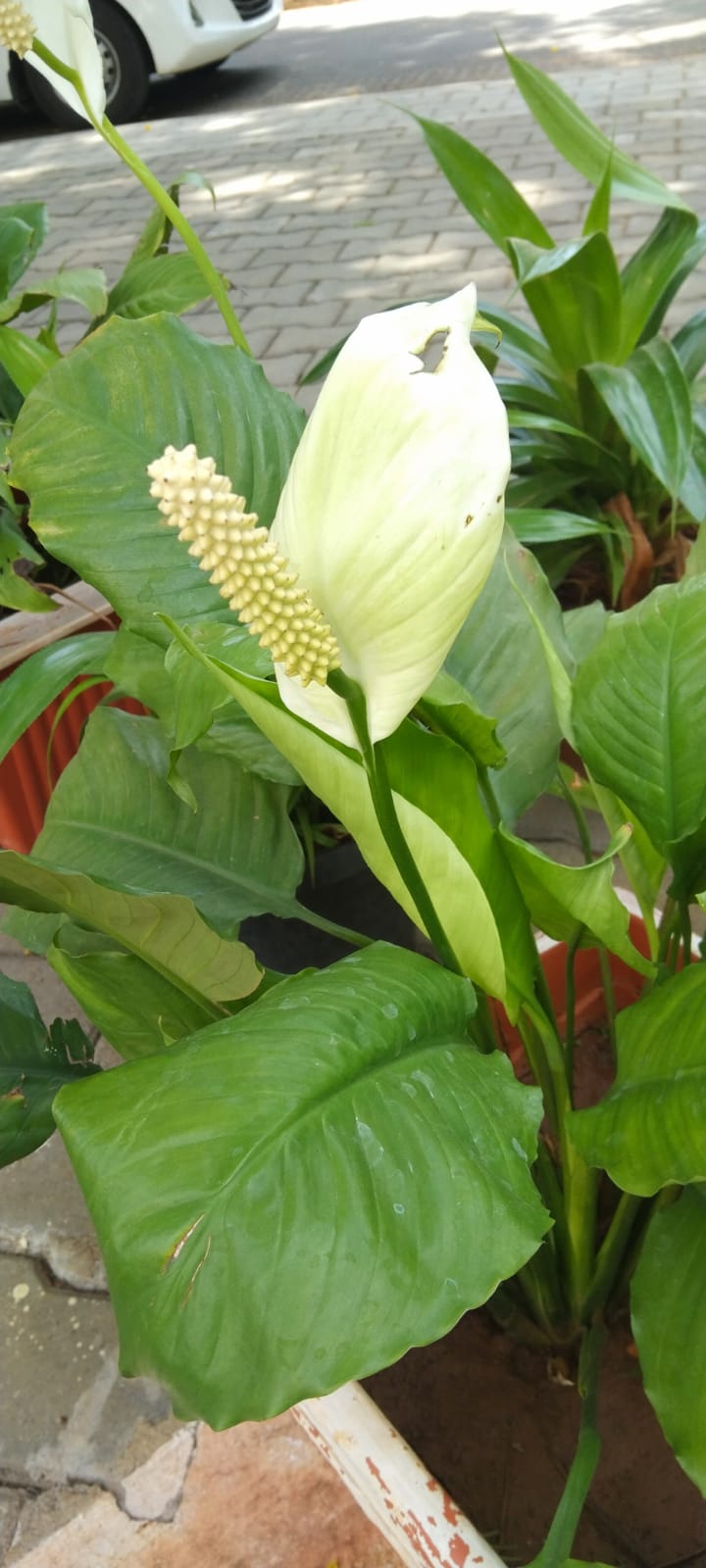
Spathiphyllum is the plant most people reach for when a room has more shadow than sun, so the spathiphyllum light requirements are worth understanding before you tuck one into that dim hallway corner. This tropical genus — the botanical name for the plant sold as the peace lily — is one of the few flowering houseplants that genuinely copes with low light. But coping and flourishing are different things. In shade it holds its glossy leaves; to push out its white blooms it needs a step up in brightness. This guide breaks down how much light a spathiphyllum needs, the light levels it prefers, how lighting governs blooming, and where to place it for the light conditions it truly wants[1][2].
Spathiphyllum light meter
Spathiphyllum light requirements in one line: soft, indirect light is its home range, and it tolerates genuine low light better than nearly any blooming plant — but it needs brighter indirect light to flower. Keep direct sun off the leaves, which burns them and browns the tips. Turn up the (indirect) light and you turn up the blooms.
01 · THE SIMPLE ANSWER
How much light does a spathiphyllum need?
A spathiphyllum needs soft, indirect light to look its best — low to medium brightness for healthy leaves, and a notch brighter (still filtered) light to produce flowers. In practice that means the gentle, ambient glow a few feet inside an east- or north-facing window[1][3]. The plant's low-light reputation is well earned, but low light is a survival mode: the foliage persists while flowering all but stops.
That shade tolerance is written into the plant's biology. Spathiphyllum species grow on the humid, shaded floors of Central and South American rainforests, beneath a canopy that filters sunlight down to a dim wash[4]. A plant built for deep shade naturally forgives a dark room — but the flashes of brighter light that reach a forest clearing are what spur it to bloom, and the same holds true on your windowsill.
02 · THE LIGHT METER
Spathiphyllum light levels, from deep shade to full sun
The clearest way to grasp spathiphyllum light needs is to lay them out on a spectrum. Here is where the plant wants to sit — the outlined band marks the ideal light conditions:
Spathiphyllum light meter
A spathiphyllum lives comfortably in the cooler, shadier stretch of that band. It settles happily into low-to-medium indirect light and blooms most freely at the bright-indirect edge, while shrugging off dim light that would stall most flowering plants. The danger zones are the two ends: deep shade eventually saps the plant and stops it blooming, and any span into direct sun burns the leaves[2][5]. The takeaway for spathiphyllum lighting: aim for bright-but-filtered indirect light if you want flowers, and shield it from direct rays.
03 · LIGHT BY WINDOW
The best window and placement for spathiphyllum light
Which window suits a spathiphyllum? Window direction is the quickest shortcut to reading the light conditions of any spot (for the Northern Hemisphere — flip for the Southern)[6]:
East window
✓ Ideal
Cool morning light softening into bright indirect light — the placement most likely to bring a spathiphyllum into bloom.
North window
✓ Great
Even, gentle indirect light that keeps foliage deep green. A spathiphyllum thrives here, though it may flower a little less.
West window
△ Set back
Plenty of light, but the harsh afternoon sun burns leaves and browns tips. Pull the plant back or drape a sheer.
South window
△ Filter it
The brightest exposure in the house. Excellent indirect light behind a sheer curtain; unfiltered rays scorch.

Placement is only half the story — distance from the glass is the other half. Indoor light dims sharply as you step away from a window, so a spathiphyllum by the pane and one across the room experience very different light levels. Its shade tolerance makes it easy to strand somewhere too dark to ever bloom; if the corner looks dim to your eye, the plant is reading it as darker still.
04 · TOO LITTLE LIGHT
Signs your spathiphyllum needs more light
A spathiphyllum quietly signals when its light level has dropped below what it wants. Watch for these tells[7]:
- A flowerless plant. The clearest sign of too little light. A spathiphyllum that stays green year after year without a single spathe is almost always short on brightness.
- Stretched, floppy leaf stalks. The petioles lengthen and sprawl as leaves lean toward the light, and the tidy rosette opens into a loose, untidy clump.
- Sluggish growth, smaller leaves. New foliage arrives slowly and each leaf is smaller and thinner than the last — the plant simply is not capturing enough light to build bigger tissue.
- Perpetually damp soil. Dim light slows water use, so the potting mix stays wet for days and root rot creeps in. Light and watering move together.

05 · TOO MUCH LIGHT
Signs your spathiphyllum is getting too much light
Overexposure is rarer than the shady-corner problem, but a spathiphyllum parked in direct sun makes its discomfort obvious[5]:
- Brown, crispy tips and margins. The hallmark of a sun-stressed spathiphyllum — direct light scorches the thin leaf edges, and the browning does not reverse.
- Pale, sun-bleached blotches. Whitish or tan patches appear on the leaf faces most exposed to the sun, where the tissue has been burned.
- Faded, yellow-green leaves. Leaves lose their rich color and look washed out as too much light breaks down chlorophyll faster than the plant can replace it.
- Frequent wilting between waterings. Strong light spikes the plant's water demand, so it flags and the soil dries out much faster than in its usual spot.
The remedy is easy: shift the plant away from the glass or hang a sheer curtain to soften the sun into the bright, indirect light a spathiphyllum is built for.
06 · LIGHT & BLOOMS
How light drives spathiphyllum blooms
Blooming is where the spathiphyllum light requirements show their teeth. Building a spathe and spadix is metabolically expensive, and the plant will only spend that energy when it is banking a surplus from photosynthesis. Under low light it runs lean — enough to maintain leaves, nothing left over for flowers. Nudge the light up into the bright-indirect range and the extra energy flows into blooms[2][8].
It is why the top question about this plant — "how do I get my spathiphyllum to flower?" — almost always has the same answer: more light. A specimen kept for years in a windowless bathroom may live on indefinitely without a bloom, then flower within months of moving to a brighter, filtered spot. In the nursery trade, growers lift light levels (alongside a light hormone treatment) to time flowering for market — but at home, brightening the room is usually the whole solution.
Light does not act alone. Winter shortens and weakens daylight, so a windowsill that was bright enough in July can fall short by December — slide the plant closer to the glass in the dark months. And whenever you upgrade a spathiphyllum to a much brighter position, ease it in over a week or two so the new light level does not shock the foliage or scorch the tips.
07 · GROW LIGHTS
Grow lights for dim rooms
When a room can't muster enough daylight, a grow light bridges the deficit — and for a spathiphyllum it often unlocks the flowers a dark corner never could. An LED grow light running 10–12 hours a day and hung 12–24 inches above the leaves delivers the reliable light level the plant needs to grow and to bloom[6][9]. Since a spathiphyllum already makes the most of dim conditions, even a small dose of supplemental lighting can transform a stalled plant into an actively growing one.
That easygoing character is why the spathiphyllum is a fixture on every shortlist of low-light houseplants — browse our guide to the best plants for low-light apartments for more plants with the same forgiving light requirements.
08 · LIGHT & WATERING
Match watering to your spathiphyllum light level
Light and water are inseparable. A spathiphyllum in bright light photosynthesizes harder, drinks more, and dries out faster; the same plant in dim light sips slowly and stays damp far longer. This genus is notoriously theatrical about moisture — it collapses dramatically when thirsty and sulks when waterlogged, so reading its light level is the key to watering it right. Dial in the light and the watering falls into place — for a full routine see how often to water a peace lily, and if yours keeps wilting, why is my peace lily drooping untangles the light and water causes side by side.
ACQUATERRA
Brighter light runs a spathiphyllum through its water fast — hold moisture steady and skip the dramatic droop with a terracotta spike.
Shop AcquaTerra →In short, the spathiphyllum light requirements come down to this: soft indirect light keeps it healthy, brighter indirect light brings the flowers, its low-light tolerance is a fallback rather than a goal, and direct sun is off-limits. Read the window, adjust with the seasons, and add a grow light where the room runs dark. For the flowering-focused twin of this guide, see our peace lily light requirements post, and for more shade-friendly picks, best plants for low-light apartments.
Frequently asked questions about spathiphyllum light
Is spathiphyllum the same as a peace lily?
Yes. Spathiphyllum is the botanical genus name, and peace lily is the common name for the same plant — the two terms are interchangeable. Despite the name it is not a true lily; it belongs to the arum family (Araceae). Its light requirements are identical whichever name you use.
How much light does a spathiphyllum need?
Spathiphyllum light requirements center on soft, low-to-medium indirect light for healthy foliage and brighter indirect light to bloom. It tolerates genuine low light better than most flowering houseplants but rarely flowers there, and it must be kept out of direct sun.
Can a spathiphyllum grow in low light?
Yes — it is one of the most shade-tolerant houseplants available. It will hold its leaves and stay alive in low light, but growth slows and it usually will not bloom. For flowers, step it up to brighter indirect light.
How do I get my spathiphyllum to flower?
Give it more light. A spathiphyllum in dim light has just enough energy for leaves, not flowers. Move it to a brighter, still-indirect spot — near an east or filtered south window — and blooms typically follow within a season.
Can a spathiphyllum take direct sunlight?
No. Direct sun scorches spathiphyllum leaves, leaving bleached patches and brown, crispy tips. Only soft early-morning sun is tolerable; filter any brighter window with a sheer curtain to keep the light indirect.
What window is best for a spathiphyllum?
An east-facing window is ideal — cool morning light plus bright indirect light for blooming. North windows keep foliage lush; south and west windows work if the plant is set back or the light is filtered to remove direct sun.
Does a spathiphyllum need a grow light?
Not usually, but in a windowless or very dim room an LED grow light run 10–12 hours a day, 12–24 inches above the plant, meets its light needs and can finally coax out blooms.
References
- [1] Missouri Botanical Garden. (n.d.). Spathiphyllum — Plant Finder. missouribotanicalgarden.org.
- [2] Royal Horticultural Society. (n.d.). Spathiphyllum / RHS Gardening. rhs.org.uk.
- [3] University of Minnesota Extension. (2022). Lighting for indoor plants and starting seeds. extension.umn.edu.
- [4] Royal Botanic Gardens, Kew. (n.d.). Spathiphyllum Schott. Plants of the World Online. powo.science.kew.org.
- [5] Clemson Cooperative Extension. (n.d.). Peace lily / Indoor plant light. Home & Garden Information Center. hgic.clemson.edu.
- [6] University of Florida IFAS Extension. (2021). Light for houseplants. gardeningsolutions.ifas.ufl.edu.
- [7] Penn State Extension. (2020). Houseplants: Light requirements. extension.psu.edu.
- [8] Taiz, L., & Zeiger, E. (2010). Plant Physiology, 5th ed. Sinauer Associates.
- [9] North Carolina State Extension. (n.d.). Spathiphyllum. plants.ces.ncsu.edu.
- [10] University of Wisconsin–Madison Division of Extension. (n.d.). Peace lily, Spathiphyllum. hort.extension.wisc.edu.
- [11] Lambers, H., Chapin, F.S., & Pons, T.L. (2008). Plant Physiological Ecology, 2nd ed. Springer.
- [12] USDA, Agricultural Research Service. (2023). GRIN: Spathiphyllum. npgsweb.ars-grin.gov.
- [13] Michigan State University Extension. (n.d.). Light and houseplants. canr.msu.edu.
- [14] ASPCA. (n.d.). Peace lily (Spathiphyllum) — toxic to pets. aspca.org.
- [15] Chen, J., McConnell, D.B., Henny, R.J., & Norman, D.J. (2003). The Foliage Plant Industry / Spathiphyllum production. UF/IFAS Extension EDIS. edis.ifas.ufl.edu.