

Peace Lily Light Requirements: Your Guide to Light for Healthy Blooms
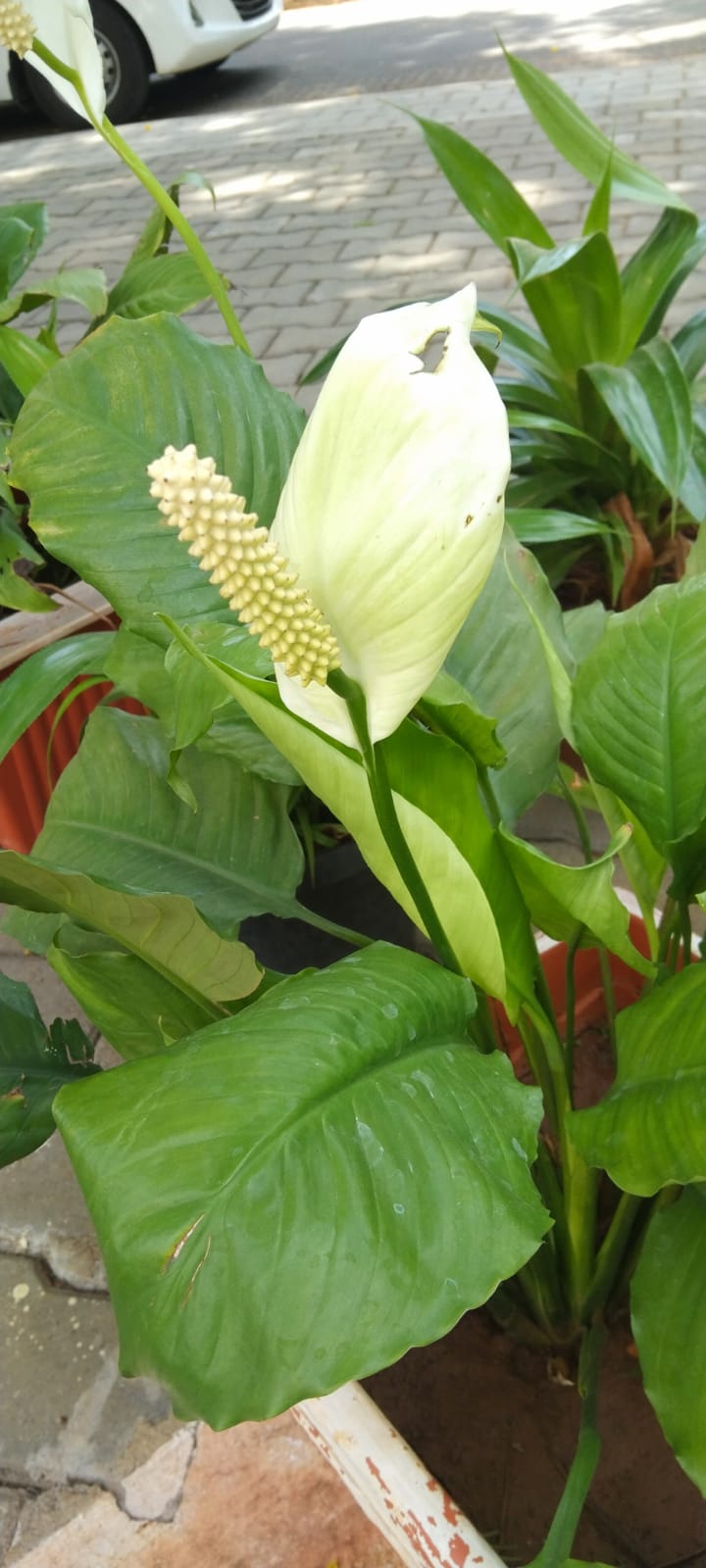
Getting the peace lily light requirements right is what separates a plant that merely survives from one that pushes out those signature white blooms. The peace lily (Spathiphyllum) is famous as a low-light champion, and it genuinely tolerates dim corners better than almost any flowering houseplant — but there is an important catch. "Tolerates low light" keeps the foliage alive; it does not make the plant flower. This guide covers exactly how much light a peace lily needs, the light levels it prefers, how lighting drives blooming, and where to place it so it gets the light conditions that actually produce flowers[1][2].
Peace lily light meter
Peace lily light requirements in one line: low-to-medium indirect light keeps it healthy, and it tolerates true low light — but it needs brighter (still indirect) light to actually bloom. Keep it out of direct sun, which scorches the leaves and leaves brown tips. The brighter the indirect light, the more likely those white flowers appear.
01 · THE SIMPLE ANSWER
How much light does a peace lily need?
A peace lily needs low-to-medium, indirect light to stay healthy and brighter indirect light to bloom — think of the soft, filtered brightness you get a few feet back from an east- or north-facing window[1][3]. That is the light level where the foliage stays deep green and lush and the plant has enough energy to form flowers. Its celebrated low-light tolerance is real, but low light is the plant coasting, not thriving: it holds its leaves but rarely, if ever, produces a bloom.
The reason the peace lily handles such a wide range of light conditions comes down to where it evolved. Spathiphyllum is a tropical understory plant from the rainforest floors of Central and South America, where dense canopy filters the sun to a dim, dappled glow[4]. Adapted to that shade, it copes gracefully with low interior light — but its flowering is triggered by the brighter breaks in the canopy, which is exactly why more (indirect) light means more blooms indoors.
02 · THE LIGHT METER
Peace lily light levels, from deep shade to full sun
The easiest way to picture peace lily light needs is a spectrum. Here is where a peace lily wants to sit on it — the outlined band marks the ideal light conditions:
Peace lily light meter
A peace lily sits toward the shadier half of that band. It thrives in low-to-medium indirect light and reaches its best bloom in bright indirect light, while genuinely tolerating low light better than most flowering plants. It only struggles at the extremes: deep shade is too dark to flower and slowly weakens the plant, while direct sunlight is far too intense and scorches the foliage[2][5]. If you remember one thing about peace lily lighting, make it this: aim for bright-but-filtered indirect light for flowers, and never let direct sun hit the leaves.
03 · LIGHT BY WINDOW
The best window and placement for peace lily light
Which window gives the right light for a peace lily? Window direction is the fastest way to estimate the light conditions a spot provides (for the Northern Hemisphere — reverse for the Southern)[6]:
East window
✓ Ideal
Gentle morning light plus bright indirect light all day — the best window for coaxing a peace lily into bloom.
North window
✓ Great
Steady low-to-medium indirect light. Foliage stays lush and healthy; blooms may be fewer than in brighter light.
West window
△ Set back
Bright, but hot afternoon direct sun scorches leaves and browns the tips. Place a few feet back or filter it.
South window
△ Filter it
The most intense light in the home. Wonderful indirect light if diffused with a sheer curtain; direct rays burn.

Distance from the window matters as much as direction. Light falls off fast indoors, so a peace lily on a bright sill and the same plant across the room are living in completely different light levels. Because peace lilies tolerate low light so well, it is easy to leave them somewhere too dim to ever flower — if a room feels dim to you, it is dimmer still to the plant.
04 · TOO LITTLE LIGHT
Signs your peace lily needs more light
A peace lily is honest about insufficient light. When the light level drops below what it wants, it tells you[7]:
- No flowers at all. The single most common sign of too little light. A peace lily that stays green but never blooms is almost always telling you it needs brighter indirect light.
- Leggy, stretched leaf stalks. Petioles elongate and lean as the plant reaches toward the nearest light source, leaving an open, floppy silhouette.
- Slow growth and small new leaves. Each new leaf emerges smaller than the last and the plant barely grows — a direct response to too little light.
- Soggy soil that never dries. Low light slows water use, so the soil stays wet longer and root-rot risk climbs. Light and watering are always linked.

05 · TOO MUCH LIGHT
Signs your peace lily is getting too much light
Too much direct light is less common than too little, but a peace lily in harsh, unfiltered sun shows clear distress[5]:
- Brown, crispy leaf tips and edges. The classic peace lily sunburn — direct light dries and burns the delicate leaf margins, leaving dry brown edges that do not recover.
- Bleached or scorched patches. Pale, tan or whitish spots on the leaf surface where direct sun has burned the tissue — permanent on affected leaves.
- Yellowing, washed-out leaves. Whole leaves fade to a pale yellow-green rather than deep green as excess light degrades chlorophyll.
- Constant wilting and fast drying. Intense light drives up water demand, so the plant droops and the soil dries out far more quickly than usual.
The fix is simple: move the plant back from the glass or filter the window with a sheer curtain to convert direct sun into the bright, indirect light a peace lily actually wants.
06 · LIGHT & BLOOMS
How light controls peace lily blooms
Flowering is the clearest example of how peace lily light requirements shape the plant. Producing that white spathe and spadix takes a real energy investment, and the plant will only make that investment when it is capturing enough light to spare. In low light, a peace lily prioritizes survival — it holds its leaves but skips blooming entirely. In bright, indirect light, the surplus energy goes into flowers[2][8].
This is why the number-one reason people ask "why won't my peace lily bloom?" is almost always light. A plant kept in a dim office corner may live happily for years without a single flower, then bloom within a season of being moved a few feet closer to a bright, filtered window. Commercial growers even use extra light (and gentle hormone treatments) to bring greenhouse peace lilies into synchronized bloom for sale — but at home, simply raising the ambient light level is usually all it takes.

Other factors interact with light, too. Seasonal light drops in winter mean a spot that was bright enough in summer may become too dim, so peace lilies often need to move closer to windows in the colder months. And any plant moved to much brighter light should be acclimated gradually over a week or two to avoid shock and burned leaf tips.
07 · GROW LIGHTS
Grow lights and low-light rooms
If your space simply cannot supply enough natural light, a grow light closes the gap — and for a peace lily, it can be the difference between a green-only plant and a blooming one. A standard LED grow light run 10–12 hours a day, positioned 12–24 inches above the foliage, supplies the steady light level a peace lily needs to keep growing and to form flowers[6][9]. Because the peace lily tolerates low light so well, even a modest amount of supplemental lighting restores steady growth in an interior room with no good window.
This forgiving nature is exactly why the peace lily tops nearly every list of the best low-light houseplants — see our roundup of best plants for low-light apartments for more options that share these easygoing light requirements.
08 · LIGHT & WATERING
Match watering to your peace lily light level
Light and water are two halves of the same equation. A peace lily in bright light photosynthesizes faster, uses more water, and dries out sooner; the same plant in low light uses far less and stays wet longer. Peace lilies are especially dramatic about this — they droop hard when thirsty and when overwatered alike. Get the light right and watering gets easier — for the full schedule see how often to water a peace lily, and if yours keeps flopping over, why is my peace lily drooping walks through the light and water causes together.
ACQUATERRA
Bright light speeds a peace lily through its water — keep moisture steady and stop the droop with a terracotta spike.
Shop AcquaTerra →To sum up the peace lily light requirements: give it low-to-medium indirect light to stay healthy and brighter indirect light to bloom, lean on its low-light tolerance only when you must, and keep it out of harsh direct sun. Match the light to the window, adjust for the seasons, and add a grow light if your room runs dark. Related reading: why is my peace lily drooping and best plants for low-light apartments.
Frequently asked questions about peace lily light
How much light does a peace lily need?
Peace lily light requirements center on low-to-medium indirect light to stay healthy and brighter indirect light to bloom. It tolerates true low light better than most flowering plants but rarely flowers there, and it should be kept out of harsh direct sun.
Can a peace lily grow in low light?
Yes — the peace lily is one of the most low-light-tolerant houseplants. It will survive and keep its foliage in low light, but growth slows and it usually will not bloom. For flowers, give it brighter indirect light.
Why won't my peace lily bloom?
The most common reason is too little light. A peace lily in a dim spot has just enough energy to hold its leaves but not enough to flower. Move it to brighter (still indirect) light and blooms usually follow within a season.
Can a peace lily take direct sunlight?
No. Direct sunlight scorches peace lily leaves, causing bleached patches and brown, crispy tips and edges. Only gentle early-morning sun is safe; otherwise filter bright windows with a sheer curtain to provide indirect light.
What window is best for a peace lily?
An east-facing window is ideal — gentle morning light plus bright indirect light all day, the best conditions for blooming. North windows are great for healthy foliage; south and west windows work if the plant is set back or the light is filtered to avoid direct sun.
Do peace lilies need a grow light?
Not usually — but in a windowless or very dim room, an LED grow light run 10–12 hours a day, 12–24 inches above the plant, easily meets peace lily light needs and can be the trigger that finally brings on blooms.
Does more light mean more water for a peace lily?
Yes. A peace lily in bright light uses water faster and dries out sooner, while the same plant in low light stays wet longer. Always match your watering to the plant's actual light level to avoid both drooping and root rot.
References
- [1] Missouri Botanical Garden. (n.d.). Spathiphyllum — Plant Finder. missouribotanicalgarden.org.
- [2] Royal Horticultural Society. (n.d.). Spathiphyllum / RHS Gardening. rhs.org.uk.
- [3] University of Minnesota Extension. (2022). Lighting for indoor plants and starting seeds. extension.umn.edu.
- [4] Royal Botanic Gardens, Kew. (n.d.). Spathiphyllum Schott. Plants of the World Online. powo.science.kew.org.
- [5] Clemson Cooperative Extension. (n.d.). Peace lily / Indoor plant light. Home & Garden Information Center. hgic.clemson.edu.
- [6] University of Florida IFAS Extension. (2021). Light for houseplants. gardeningsolutions.ifas.ufl.edu.
- [7] Penn State Extension. (2020). Houseplants: Light requirements. extension.psu.edu.
- [8] Taiz, L., & Zeiger, E. (2010). Plant Physiology, 5th ed. Sinauer Associates.
- [9] North Carolina State Extension. (n.d.). Spathiphyllum. plants.ces.ncsu.edu.
- [10] University of Wisconsin–Madison Division of Extension. (n.d.). Peace lily, Spathiphyllum. hort.extension.wisc.edu.
- [11] Lambers, H., Chapin, F.S., & Pons, T.L. (2008). Plant Physiological Ecology, 2nd ed. Springer.
- [12] USDA, Agricultural Research Service. (2023). GRIN: Spathiphyllum. npgsweb.ars-grin.gov.
- [13] Michigan State University Extension. (n.d.). Light and houseplants. canr.msu.edu.
- [14] ASPCA. (n.d.). Peace lily (Spathiphyllum) — toxic to pets. aspca.org.
- [15] Gilman, E.F. (2014). Spathiphyllum spp. Peace Lily. UF/IFAS Extension EDIS. edis.ifas.ufl.edu.