

How Often to Water a Nerve Plant: Schedule, Signs, and Factors That Matter
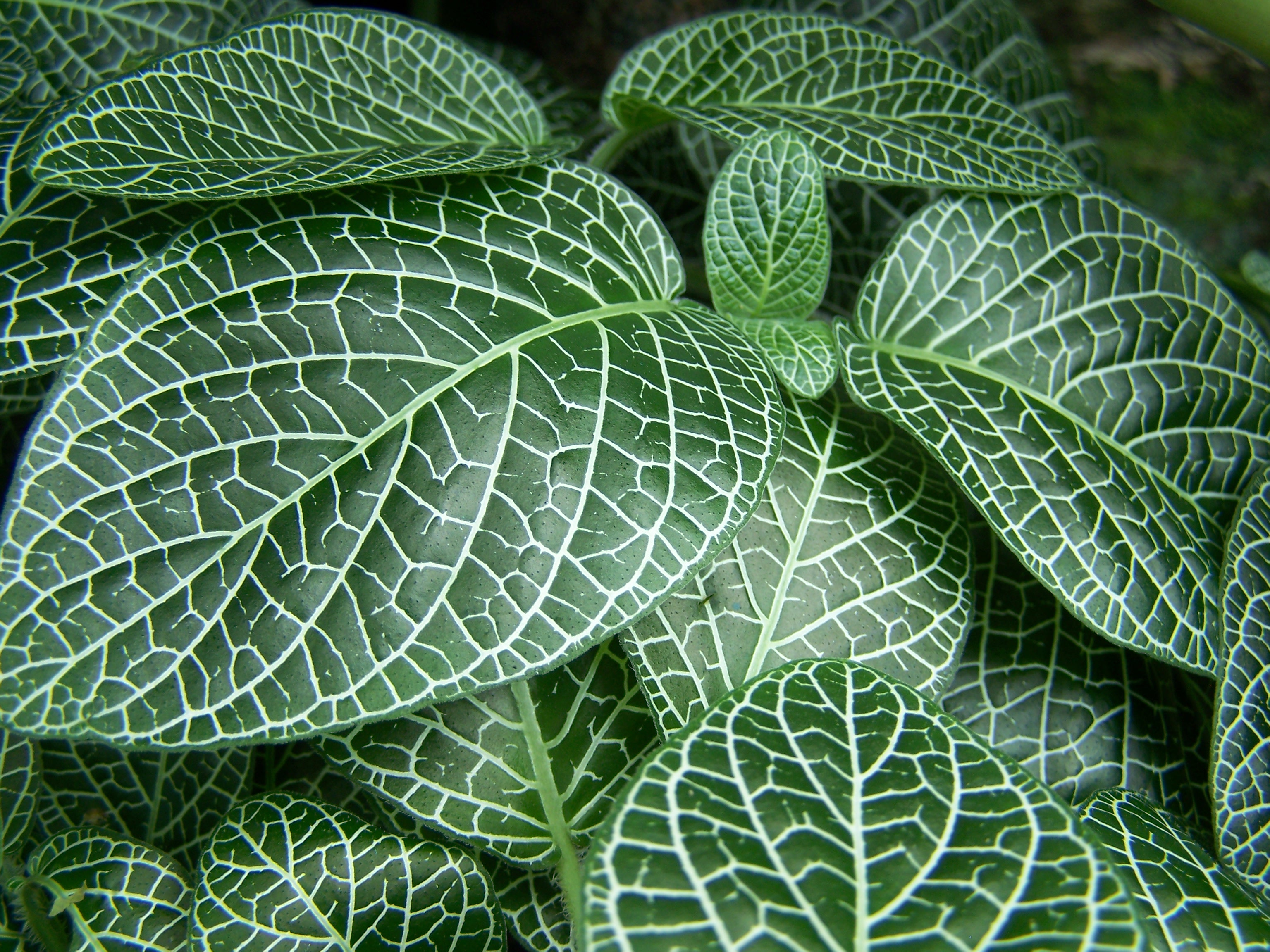
The nerve plant (Fittonia albivenis) has a reputation, and it is entirely deserved: it is the most theatrical fainter in the houseplant world. Let the soil dry even slightly past its comfort zone and the whole plant collapses flat, looking dead beyond saving — then stands back up within a few hours of watering as if nothing happened[1][2]. That drama is the entire watering challenge. This guide covers how often to water a nerve plant based on the horticulture, which variables genuinely move the schedule, and how to keep that patterned foliage crisp without ever waterlogging the roots.
Water a nerve plant every 3–5 days — whenever the very top of the soil starts to feel dry. Fittonia wants soil that stays consistently moist and should never be allowed to dry out completely. It wilts dramatically when thirsty and recovers within hours once watered, but repeated fainting episodes cause permanent leaf-edge browning and leaf drop. High humidity is not optional. Non-toxic to cats and dogs.
01 · THE SIMPLE ANSWER
How often to water a nerve plant
In typical indoor conditions, a nerve plant needs water every 3–5 days. The trigger is not a dry pot — it is the moment the surface of the mix stops feeling damp. Fittonia is one of the few common houseplants where the standard advice to "let the top inch dry out" is actively wrong[1][3]. Aim for evenly moist, never soggy, and never bone-dry.
Use the finger test, but at a shallower depth than you would for other plants: press a fingertip against the surface and just under it. If the top half-inch is dry to the touch, water. If it is still cool and damp, check again tomorrow. Because a nerve plant announces thirst by collapsing, consistency beats precision — a plant repeatedly allowed to faint will brown at the leaf margins even though it recovers each time.
Two conditions widen or narrow that 3–5 day window more than anything else: light level and humidity. A fittonia in bright indirect light in a dry, heated room may need water every second or third day; the same plant in a humid bathroom or a closed terrarium may go a week or more. Light in particular is worth getting right first — see nerve plant light requirements for the full picture.
02 · THE BOTANY
Why a nerve plant faints so dramatically
Fittonia is a soft, herbaceous creeper with thin leaves and essentially no woody tissue. It holds itself upright almost entirely through turgor — the internal water pressure inside its cells[4]. When the soil dries and water leaves the cells faster than the roots can replace it, turgor collapses and the whole plant goes limp within hours. Rewater and the cells refill; the plant stands back up almost as fast. That is the famous fainting act, and it is entirely mechanical.
Two features make fittonia faster to faint than almost anything else on the shelf. First, its leaves are thin and un-waxed — understory foliage evolved for a saturated, shaded rainforest floor in Peru and the western Amazon, with no adaptations for conserving water[5]. Second, its root system is shallow and fine, so it draws from only the top few inches of the pot and has no deep reserve to fall back on.
That responsiveness is useful — the plant tells you exactly when it is thirsty — but it has a real cost. Each severe wilt-and-recover cycle stresses the leaf margins, and repeated collapses leave permanent crispy brown edges and trigger drop of the lowest leaves[6]. The goal is not to let the plant faint and then rescue it; it is to water before it reaches that point.
Humidity is the other half of the equation. Because the leaves lose water so readily to the air, fittonia genuinely needs above-average ambient moisture — ideally 50% or higher. In a dry, centrally heated room, the leaf edges will crisp regardless of how faithfully you water the soil, which is why terrariums, cloches, and humid bathrooms suit this plant so well[7].

03 · SEASONAL SCHEDULE
Nerve plant watering schedule by season
Fittonia is an evergreen tropical with no true dormancy, so its schedule shifts less across the year than a seasonal grower would — but light levels, temperature, and indoor heating still move the interval by several days[3][8]. Treat these as starting points and let the soil surface confirm.
01 · Spring (Mar–May)
Every 3–5 days
Growth restarts as light returns. Demand climbs steadily — check the surface every second day and resume feeding.
02 · Summer (Jun–Aug)
Every 2–4 days
Peak demand. Warm rooms, air conditioning, and long days dry small pots fast — check daily in a heat wave.
03 · Fall (Sep–Nov)
Every 4–6 days
Growth slows with the light. Ease off slightly, but do not let the mix dry — heating season is about to start.
04 · Winter (Dec–Feb)
Every 5–8 days
Minimal growth in low light, so water less — but raise humidity. Dry heated air browns leaf tips even in moist soil.
The winter card is the one people get wrong. Because fittonia is so famously thirsty, owners keep summer frequency going into December — but with short days and cold windowsills the pot stays wet far longer, and the plant that never had a root problem suddenly develops one.
04 · FACTORS THAT MATTER
Six factors that change how often you water a nerve plant
Humidity: The single biggest variable for fittonia. At 60% humidity in a terrarium or bathroom, the soil holds moisture and the leaves lose very little — you may water weekly. At 25% in a heated winter room, the same plant can faint in 48 hours. A pebble tray, a nearby humidifier, or a glass cloche changes the schedule more than any other single intervention.
Light level: A nerve plant in bright indirect light transpires far faster than one in a dim corner and can need water twice as often. This cuts both ways: after moving a plant somewhere darker, stretch the interval or you will be overwatering on the same routine that used to be perfect.
Pot size and material: Fittonia is usually sold in small 3–4 inch pots, which hold almost no water reserve — that is a large part of why it dries so fast. Porous terracotta dries fastest of all; glazed ceramic and plastic hold moisture noticeably longer. Sizing up one pot at a time gives the roots a bigger buffer without leaving the mix soggy.
Soil mix: Use a moisture-retentive but free-draining mix — a quality peat- or coir-based potting compost with 15–20% perlite is ideal. Fittonia wants a substrate that holds water without becoming airless; a gritty cactus mix dries far too quickly and a heavy garden soil suffocates the fine roots[9].
Temperature and drafts: Fittonia is happiest between 65–80°F. Warmth speeds transpiration and shortens the interval, while a cold draft or a spot above a radiator causes leaf damage independent of soil moisture. Keep it away from heat vents, open winter windows, and air-conditioning blasts.
Plant size and root density: A mature, densely rooted fittonia filling its pot drinks far more, and far faster, than a freshly potted cutting. A root-bound plant may need water every other day simply because there is more root than soil — that is the signal to repot, not to water more often.

05 · UNDERWATERING SIGNS
Signs your nerve plant needs water
Fittonia is the most honest thirst gauge in the house — it signals earlier and far more visibly than almost any other plant[6]:
- Sudden total collapse. The famous fainting act — every leaf and stem goes limp and the plant flattens against the pot, looking beyond saving. Fully reversible if you water promptly; it usually stands back up within two to four hours.
- Crispy brown leaf edges. Repeated fainting, or chronic under-watering plus dry air, browns the margins. This damage is permanent on affected leaves even after you correct the schedule.
- Lower leaves yellow and drop. Persistent drought stress makes the plant shed its oldest leaves from the bottom up, leaving bare creeping stems and a thin, open plant.
- Soil pulling away from the pot rim. Severely dry peat or coir shrinks and turns hydrophobic, so water runs down the gap and straight out the bottom without wetting the rootball. Bottom-soak the pot in a basin for 20 minutes to fully rehydrate it.
A note on the faint: do not panic-repot, fertilize, or prune a collapsed fittonia. Water it thoroughly, move it out of any bright spot for a day, and wait. The recovery is reliable enough that the plant is often sold on the strength of it — but each episode costs you leaf edges, so treat it as a failure of the schedule rather than a party trick.
06 · OVERWATERING SIGNS
Signs you’ve overwatered your nerve plant
Because fittonia is so famously thirsty, owners routinely overcorrect and keep the mix permanently saturated — the fast route to stem and root rot in a plant with fine, shallow roots[10][11]:
- Wilting despite wet soil. The most confusing sign, and the one that catches fittonia owners specifically — the plant looks like it is fainting from thirst but the pot is soaking. Rotted roots can no longer take up water. Do not water more; let the mix dry and check drainage.
- Mushy, blackened stems at the soil line. Soft, dark bases signal stem rot. Take healthy cuttings from the tips to save the cultivar — fittonia roots easily — because the rotted crown rarely recovers.
- Yellowing leaves with soil that never dries. Widespread soft yellowing plus a pot that is still wet a week later points to overwatering rather than thirst.
- Fungus gnats and a constantly damp surface. Small flies circling the pot indicate chronically wet soil. Let the very top dry between waterings and they subside within a couple of weeks.

If rot has set in, the reliable fix is to take tip cuttings — fittonia roots readily in water or moist mix within two to three weeks — and start fresh in a smaller pot with better drainage. For the full recovery protocol, see how to stop overwatering houseplants.
07 · THE METHOD
How to actually water a nerve plant
Water thoroughly until it drains freely from the pot’s holes — roughly 1–1½ cups (250–350 ml) for a 5-inch pot, less for the small nursery pots fittonia usually arrives in[9]. Partial sips only wet the top layer and leave the lower rootball dry, which is a common hidden cause of repeat fainting.
Bottom-watering suits fittonia particularly well. Stand the pot in an inch of water for 15–20 minutes, let it wick up, then drain. This wets the whole rootball evenly, avoids splashing the dense low foliage, and reduces the fungal spotting that overhead watering can encourage on crowded leaves.
Use room-temperature water. Cold water straight from the tap chills the shallow roots of a tropical plant and can trigger a wilt of its own; letting a jug stand overnight also allows chlorine to dissipate, which fittonia appreciates.
Always empty saucers and cache pots afterwards. A nerve plant left standing in water rots quickly — the fine root system has very little tolerance for an airless, saturated zone at the bottom of the pot.
Pair every watering with humidity. Group fittonia with other plants, sit it on a pebble tray, or grow it under a cloche or in a terrarium. Misting gives only a brief lift and does not substitute for genuine ambient humidity, though it does no harm.
08 · TEMPERAMENT & QUICK FACTS
What a nerve plant is really like
Fittonia albivenis is an evergreen creeping perennial in the acanthus family (Acanthaceae), native to the rainforests of Peru and the wider western Amazon basin, where it spreads as a low ground cover across humid, shaded leaf litter beneath a closed canopy[5][12]. That habitat explains the entire personality: constant moisture, constant humidity, warmth, and never any direct sun. Everything people find difficult about fittonia is really just a mismatch between a rainforest floor and a centrally heated living room.
As a plant to live with, it is dramatic but not actually difficult. It grows low and spreading rather than tall — typically 3–6 inches high with a spread of 12–18 inches as the stems creep and root where they touch — which makes it a natural for shallow bowls, terrariums, and the front edge of a grouped display. It is fast to propagate: a tip cutting roots in water in a couple of weeks, and pinching the growing points keeps it dense instead of straggly. Its one true demand is moisture, in the soil and in the air, and its one true intolerance is drought.
The named forms are numerous and largely interchangeable in care. The white-veined Argyroneura group gives the classic silver-webbed look, with compact selections such as ‘Mini White’ and ‘White Anne’; the Verschaffeltii group supplies the pink and red veining seen in ‘Red Anne’, ‘Pink Angel’, and ‘Ruby Red’, while ruffled forms like ‘Frankie’ and ‘Josan’ add texture. All of them faint on the same schedule.
One reassuring note for pet households: nerve plant is listed by the ASPCA as non-toxic to dogs and cats[13]. Combined with its small size and low, tabletop habit, that makes fittonia one of the safer choices for a home with curious animals or small children. And if you want the vein contrast at its sharpest, pair this schedule with the right exposure — see nerve plant light requirements.
ACQUATERRA
Steady, day-to-day moisture for a nerve plant — terracotta releases water as the soil dries, so the fainting episodes simply stop.
Shop AcquaTerra →A nerve plant rewards attentive, consistent watering with some of the most striking foliage of any small houseplant. Water every 3–5 days — every 2–4 in summer, every 5–8 in winter — keeping the mix consistently moist and never letting it dry out. Raise the humidity, keep the light bright but indirect, and treat every fainting episode as a scheduling miss rather than normal behavior. For the exposure half of the equation, see nerve plant light requirements.
Frequently asked questions
How often should I water a nerve plant?
Every 3–5 days in typical indoor conditions — every 2–4 days in summer heat and every 5–8 days in winter. Water as soon as the top half-inch of soil feels dry. Fittonia wants consistently moist soil and should never dry out completely.
Why does my nerve plant keep collapsing?
Fittonia holds itself up by water pressure, so it faints within hours of the soil drying — then recovers within two to four hours of watering. Frequent fainting means you are watering too late. Wilting in wet soil is the opposite problem: root rot.
Will a fainted nerve plant recover?
Almost always, if you water it promptly — it usually stands back up the same day. But each collapse permanently browns some leaf edges and can cost you lower leaves, so repeated fainting is not harmless.
Does a nerve plant need high humidity?
Yes. Fittonia wants 50% humidity or higher. In dry heated air the leaf edges crisp no matter how carefully you water the soil, which is why terrariums, cloches, pebble trays, and humid bathrooms suit it so well.
Should I bottom-water my nerve plant?
It is an excellent method for fittonia. Stand the pot in an inch of water for 15–20 minutes, then drain fully. It wets the entire rootball evenly and keeps water off the dense low foliage.
Is a nerve plant toxic to cats and dogs?
No. The ASPCA lists nerve plant (Fittonia) as non-toxic to dogs and cats, which makes it one of the safer small houseplants for homes with pets or young children.
What happens if I overwater my nerve plant?
Permanently saturated soil causes root and stem rot — look for mushy blackened stems, wilting in wet soil, and fungus gnats. Take healthy tip cuttings to save the plant and restart in a well-draining mix. See how to stop overwatering houseplants.
References
- [1] Missouri Botanical Garden. (n.d.). Fittonia albivenis — Plant Finder. missouribotanicalgarden.org.
- [2] Royal Horticultural Society. (n.d.). Fittonia / RHS Gardening. rhs.org.uk.
- [3] North Carolina State Extension. (n.d.). Fittonia albivenis. NC State Extension Plant Toolbox. plants.ces.ncsu.edu.
- [4] Taiz, L., & Zeiger, E. (2010). Plant Physiology, 5th ed. Sinauer Associates.
- [5] Royal Botanic Gardens, Kew. (n.d.). Fittonia albivenis (Lindl. ex Veitch) Brummitt. Plants of the World Online. powo.science.kew.org.
- [6] University of Minnesota Extension. (2022). Caring for houseplants. extension.umn.edu.
- [7] University of Florida IFAS Extension. (2021). Houseplants and humidity. gardeningsolutions.ifas.ufl.edu.
- [8] University of Minnesota Extension. (2022). Lighting for indoor plants and starting seeds. extension.umn.edu.
- [9] Penn State Extension. (2020). Houseplant care: watering, fertilizing, and repotting. extension.psu.edu.
- [10] Clemson Cooperative Extension. (n.d.). Indoor plants: watering and root rot. Home & Garden Information Center. hgic.clemson.edu.
- [11] Michigan State University Extension. (n.d.). Overwatering houseplants. canr.msu.edu.
- [12] USDA, Agricultural Research Service. (2023). GRIN Taxonomy: Fittonia albivenis. npgsweb.ars-grin.gov.
- [13] ASPCA. (n.d.). Nerve plant (Fittonia) — non-toxic to dogs and cats. aspca.org.
- [14] University of Wisconsin–Madison Division of Extension. (n.d.). Terrariums and tropical foliage plants. hort.extension.wisc.edu.
- [15] Lambers, H., Chapin, F.S., & Pons, T.L. (2008). Plant Physiological Ecology, 2nd ed. Springer.