

Fittonia Light Requirements: A Complete Guide to Indirect Light
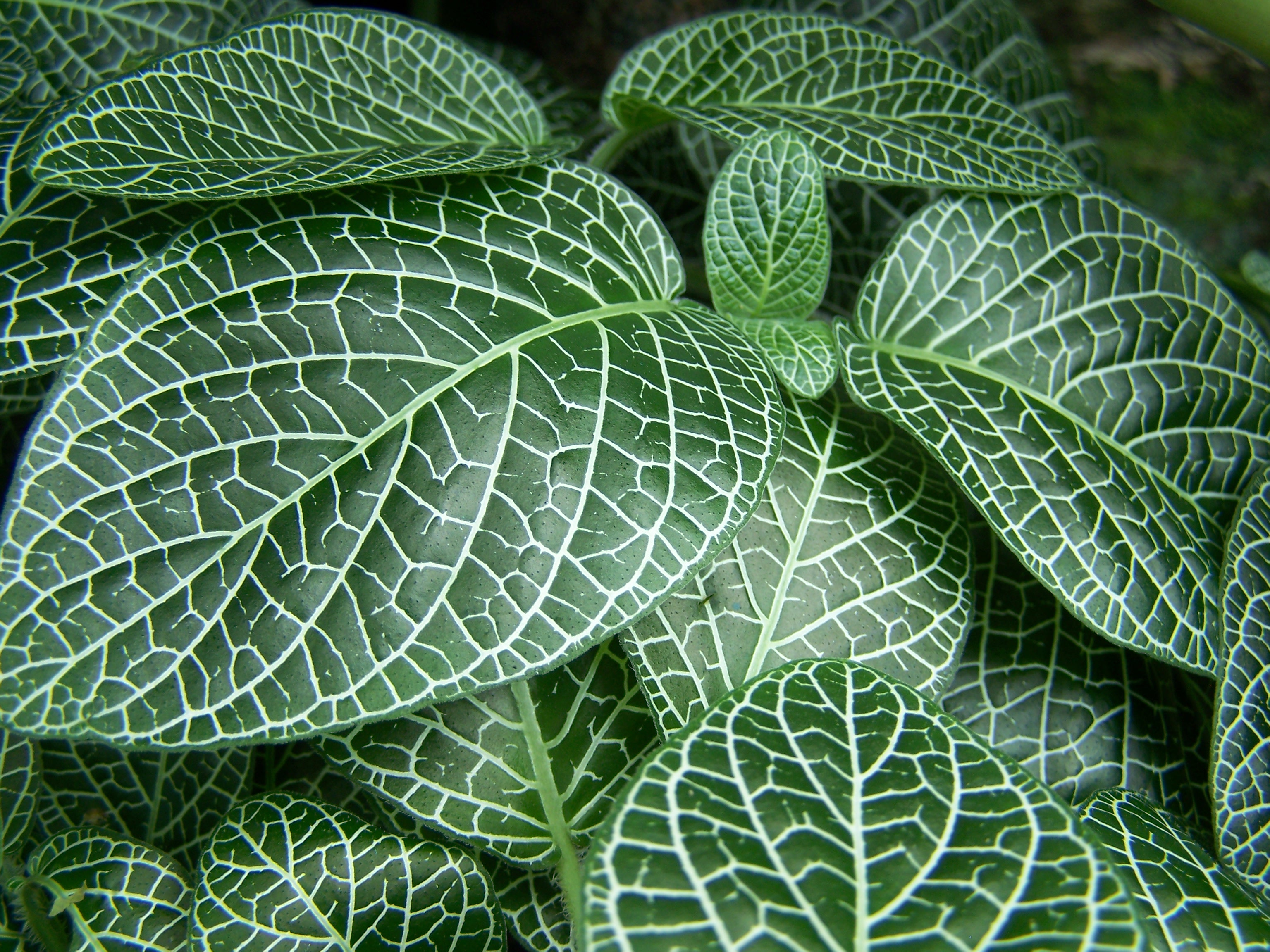
The white, pink, or scarlet vein network on a Fittonia albivenis leaf is not decoration — it is a light gauge. Get the fittonia light requirements right and those veins stay sharp enough to read from across the room; get them wrong and the pattern either bleaches away in the sun or dissolves into flat green in the gloom. Fittonia (sold interchangeably as the nerve plant or mosaic plant — same species, different label) is a rainforest-floor specialist, and its lighting brief is narrower than most houseplants. This guide covers exactly how much light a fittonia needs, where the plant sits on the indoor light spectrum, and how to place it so the veining stays vivid[1][2].
Fittonia light meter
Fittonia light requirements in one line: medium to bright indirect light, with no direct sun at any hour. Direct rays bleach and scorch the veined leaves within days. Fittonia tolerates genuinely low light better than most patterned plants, but the vein contrast washes out and growth stalls there. Filtered light a few feet back from a window — or a lit terrarium — is the target.
01 · THE SIMPLE ANSWER
How much light does a fittonia need?
A fittonia wants medium to bright indirect light — the ambient brightness of a spot where you could comfortably read a paperback all day but where the sun never physically lands on the foliage[1][3]. Ten to twelve hours a day of that filtered brightness produces dense, low, spreading growth with the boldest possible vein contrast. Push past it into unfiltered sun and the leaves bleach; drop below it into a dark corner and the plant survives, but the veining fades and the stems stretch.
The reason for that narrow window is where the plant comes from. Fittonia albivenis is a creeping perennial in the Acanthaceae family, native to the rainforest understory of Peru and neighbouring parts of tropical South America[4]. It grows along the leaf litter beneath a closed canopy, where the light arriving at ground level has already been filtered through several storeys of foliage. A fittonia has effectively never encountered full sun in its evolutionary history — which is why an hour of it on a windowsill does visible damage.
This is also the reason fittonia became a terrarium staple. A closed glass case sitting a metre back from a window reproduces the understory almost exactly: soft, diffuse light, no direct beams, and the high humidity that goes with it. If you have ever wondered why the same plant looks spectacular in a jar and mediocre on a shelf, lighting is usually half the answer.

02 · THE LIGHT METER
Fittonia light levels, from deep shade to full sun
Indoor light is easiest to reason about as a single sliding scale. Here is where a fittonia belongs on it — the outlined band marks the ideal light conditions:
Fittonia light meter
Notice how the ideal band stops short of the right-hand end. That is deliberate. Fittonia occupies the stretch from the upper edge of low light through the whole of bright indirect — and then falls off a cliff. Unlike tougher foliage plants that shrug off a couple of hours of morning sun, a fittonia registers direct light as damage almost immediately, bleaching the tissue between the veins to a pale, papery tan[2][5].
At the dark end the plant is more forgiving. Deep shade will not kill a fittonia outright, and it is one of the reasons the species turns up in bathrooms and windowless offices. But it is a compromise, not a preference: the vein network is the first thing you lose.
03 · LIGHT BY WINDOW
The best window and placement for fittonia light
Window aspect is the quickest shorthand for how much light a given spot delivers. These ratings assume the Northern Hemisphere — flip north and south if you garden below the equator[6]:
North window
✓ Ideal
Even, sunless brightness from dawn to dusk. For a fittonia this is the safest window in the house — sit it right on the sill.
East window
✓ Good, set back
Excellent ambient light, but even mild early sun can mark the leaves. Keep the pot 2–3 ft off the glass.
West window
△ Risky
Late-afternoon sun is the hottest of the day. Only workable well back from the window or behind a permanent sheer.
South window
△ Diffuse it
Far too strong unfiltered. Behind a sheer curtain or several feet into the room it becomes superb fittonia light.
One placement note that catches people out: bathrooms and kitchens often have small, frosted, or partially obstructed windows. The humidity in those rooms suits a fittonia beautifully, but the light frequently does not. Check the actual brightness before assuming a steamy bathroom is a free win — a fittonia needs both halves of the deal.
04 · TOO LITTLE LIGHT
Signs your fittonia needs more light
Under-lit fittonias do not die quickly — they deteriorate slowly and specifically. Watch for these four[7]:
- The veins go quiet. The defining symptom. Pink and red veining dulls toward muddy mauve; white veining greys down until the leaf reads as plain green from a step away. This is the plant flooding the leaf with chlorophyll to scavenge more photons.
- Stems lengthen and the mat opens up. A well-lit fittonia is a dense low carpet. In dim light the internodes stretch, the stems flop outward, and you can see soil between the leaves.
- New leaves come out undersized. Each successive leaf is a little smaller and thinner than the one before it, and the plant stops filling its pot.
- The pot stays wet for days. Low light means low transpiration. A fittonia that normally drinks every three days but now stays damp for a week is telling you the light dropped, not that it needs less water on principle.

05 · TOO MUCH LIGHT
Signs your fittonia is getting too much light
With most houseplants, too little light is the usual complaint. With fittonia, excess is the faster and more destructive failure — and the damage does not heal[5]:
- Bleached, papery patches between the veins. The thin leaf blade cooks where the sun strikes it, going pale tan or near-white while the veins themselves still show. Unmistakable, and permanent on that leaf.
- Crisped, curled leaf margins. Edges brown and roll inward as the leaf loses water faster than the roots can resupply it. Often the first sign, appearing before any obvious bleaching.
- Collapse every single afternoon. A fittonia in strong light wilts flat daily even in moist soil, because transpiration outruns uptake. If it faints on schedule each sunny afternoon, move it before you water more.
- Overall washed-out colouring. Excess light degrades chlorophyll faster than the plant rebuilds it, so the green background pales and the whole plant looks bleached rather than boldly patterned.
The remedy is trivially easy: move the plant out of the beam. Two or three feet further into the room, or a sheer curtain across the glass, converts damaging direct sun into exactly the diffuse brightness a fittonia wants. Damaged leaves will not recover, but new growth comes in clean within a few weeks.
06 · LIGHT & LEAF
How light controls fittonia vein contrast
A fittonia leaf is essentially two tissues doing two jobs. The green blade carries the chlorophyll and does the photosynthesis; the white, pink, or red veins carry little or none and contribute almost nothing energetically. Maintaining a big network of low-chlorophyll tissue is a luxury the plant can only afford when incoming light is generous. Squeeze the light supply and the plant reallocates — producing greener, more uniformly pigmented leaves that harvest more efficiently but look far less striking[2][8].
That trade-off explains the difference between cultivars. The heavily marked red and hot-pink selections — the ones where veining covers most of the leaf surface — have measurably higher light demands than the finer white-netted forms, simply because they have less functional green tissue to work with. If a bold pink fittonia and a subtle white-veined one share a shelf, the pink one fades first.

Light also shapes the plant's habit, not just its colour. Under good indirect light a fittonia creeps outward and roots as it goes, knitting into the tight mat that makes it such a good terrarium groundcover. Under poor light it abandons that strategy and reaches instead, sending out sparse runners in search of something brighter. If your fittonia has stopped carpeting and started wandering, read it as a lighting complaint.
07 · GROW LIGHTS & SEASONS
Grow lights, terrariums, and the seasonal swing
Fittonia is one of the easiest houseplants to grow entirely under artificial light, which is precisely why it dominates planted terrariums and closed jars. A modest LED panel run 10–12 hours a day, held 12–18 inches above the foliage, supplies everything the plant needs without any risk of the intensity that damages it near a window[6][9]. Because the plant's ceiling is low, you do not need a powerful fixture — you need a consistent one.
Seasonally, the picture inverts twice a year. A summer spot that was comfortably indirect can turn briefly direct in winter as the sun tracks lower and reaches further into the room — so a shelf that was safe in July may need a sheer in January. At the same time overall day length collapses, so a plant that was thriving in a dim interior corner in midsummer may fade badly by December. Reassess placement at each solstice rather than setting and forgetting, and move any plant to brighter conditions gradually over a week or two so it can acclimate.
Fittonia is sold under two names in the same shops, so it is worth saying plainly: this article and our guide to nerve plant light requirements describe the same species, Fittonia albivenis. If your label says nerve plant or mosaic plant, everything here applies unchanged.
08 · LIGHT & WATERING
Match watering to your fittonia light level
Nowhere is the light-water link more obvious than in a fittonia, because the plant announces the imbalance by fainting. Brighter light drives faster transpiration, which drains the pot sooner; dimmer light slows everything down and leaves the mix wet for days. A fittonia that has just moved from a dark corner to a bright north sill will need noticeably more frequent watering, and one that moves the other way needs less — keep the old schedule after either move and you will hit either collapse or rot. The full timings live in how often to water a fittonia.
ACQUATERRA
A well-lit fittonia drinks fast — a terracotta spike keeps the moisture steady so it never faints.
Shop AcquaTerra →To recap the fittonia light requirements: aim for medium to bright indirect light, keep the plant out of every direct beam, and treat fading vein contrast as your early warning that the light has slipped. North windows are the default answer, east windows work with a little distance, and south and west windows need filtering. Add a small LED if your room runs dark, recheck placement at each change of season, and let the watering schedule follow the light rather than the calendar.
Frequently asked questions about fittonia light
Is a fittonia the same as a nerve plant?
Yes. Fittonia, nerve plant, and mosaic plant are three common names for the same species, Fittonia albivenis. The light requirements are identical whichever name is on the label.
How much light does a fittonia need?
Medium to bright indirect light for roughly 10–12 hours a day, with no direct sun at any point. That is the level where growth stays dense and the vein pattern stays sharply contrasted.
Can a fittonia handle direct sunlight?
No. Direct sun bleaches the thin leaf blade to pale tan and crisps the margins, and the damage is permanent on affected leaves. Set the plant back from the glass or filter the window with a sheer.
Why has my fittonia lost its vein colour?
Almost always too little light. In dim conditions the plant builds greener, more chlorophyll-rich leaves to compensate, so the white or pink veining fades. Move it somewhere brighter but still shaded from sun and the new growth returns patterned.
Which window suits a fittonia best?
A north-facing window is the safest choice — bright but sunless all day. East windows are excellent if the pot sits two or three feet back. South and west windows only work behind a sheer curtain or well into the room.
Will a fittonia grow in a terrarium under a lamp?
Extremely well. Fittonia is a terrarium classic partly because a modest LED run 10–12 hours a day, 12–18 inches above the foliage, meets its entire light budget with no risk of scorching.
Does my fittonia need more water in brighter light?
Yes. Brighter light raises transpiration, so the pot dries sooner and the plant wilts sooner. After moving a fittonia to a brighter or darker spot, recheck the soil daily for a week and reset the schedule to match.
References
- [1] Missouri Botanical Garden. (n.d.). Fittonia albivenis — Plant Finder. missouribotanicalgarden.org.
- [2] Royal Horticultural Society. (n.d.). Fittonia / RHS Gardening. rhs.org.uk.
- [3] University of Minnesota Extension. (2022). Lighting for indoor plants and starting seeds. extension.umn.edu.
- [4] Royal Botanic Gardens, Kew. (n.d.). Fittonia albivenis (Lindl. ex Veitch) Brummitt. Plants of the World Online. powo.science.kew.org.
- [5] Clemson Cooperative Extension. (n.d.). Indoor plants — light requirements. Home & Garden Information Center. hgic.clemson.edu.
- [6] University of Florida IFAS Extension. (2021). Light for houseplants. gardeningsolutions.ifas.ufl.edu.
- [7] Penn State Extension. (2020). Houseplants: light requirements. extension.psu.edu.
- [8] Taiz, L., & Zeiger, E. (2010). Plant Physiology, 5th ed. Sinauer Associates.
- [9] Michigan State University Extension. (n.d.). Light and houseplants. canr.msu.edu.
- [10] North Carolina State Extension. (n.d.). Fittonia albivenis. plants.ces.ncsu.edu.
- [11] Lambers, H., Chapin, F.S., & Pons, T.L. (2008). Plant Physiological Ecology, 2nd ed. Springer.
- [12] University of Wisconsin–Madison Division of Extension. (n.d.). Nerve plant, Fittonia albivenis. hort.extension.wisc.edu.
- [13] USDA, Agricultural Research Service. (2023). GRIN: Fittonia albivenis. npgsweb.ars-grin.gov.
- [14] ASPCA. (n.d.). Nerve plant (Fittonia albivenis) — non-toxic to dogs and cats. aspca.org.
- [15] Brummitt, R.K. (1983). Fittonia albivenis, the correct name for the nerve plant. Kew Bulletin, 38(3), 460–461.