
Learn
Plant Watering Blog
Field notes, watering science, and the slow art of self-watering terracotta.
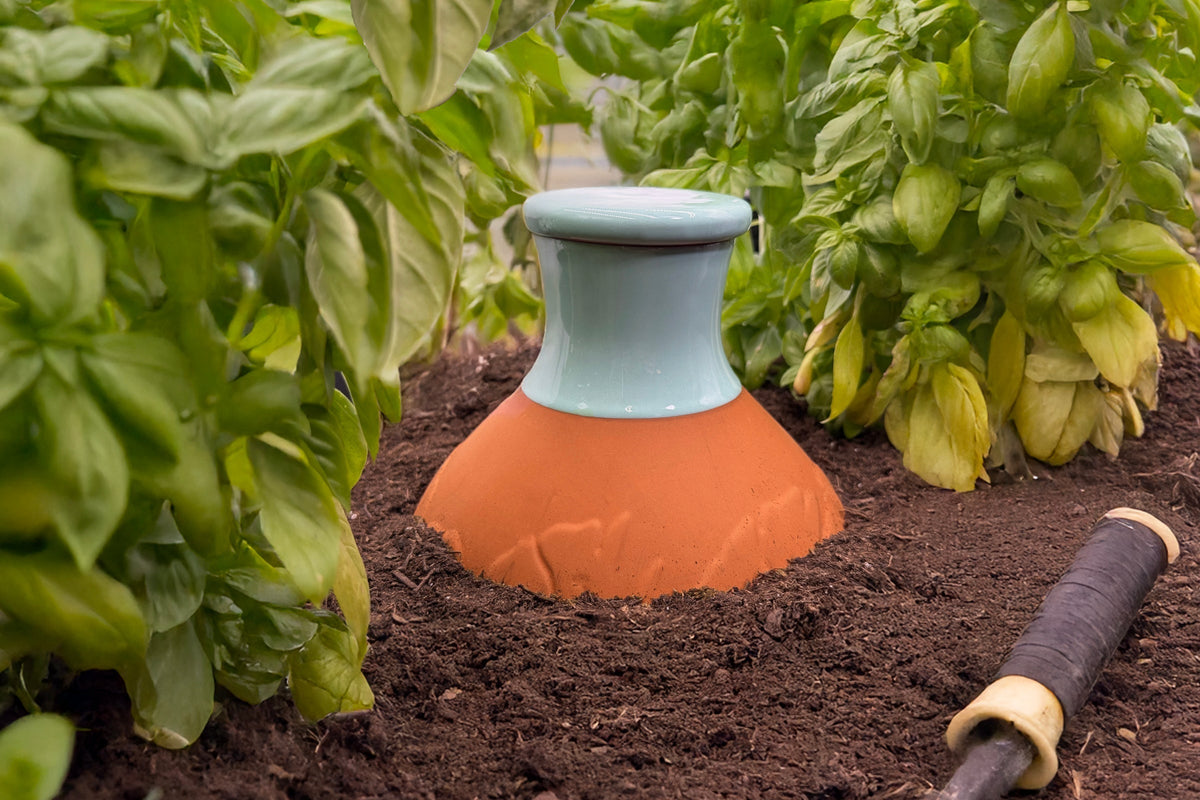
Ollas for Root Vegetables: Carrots, Beets, and Radishes
How to use olla irrigation for root vegetables. Steady soil moisture stops carrot splitting, woody beets, and pithy radishes. Placement, burial depth, and spacing for densely sown root crops.
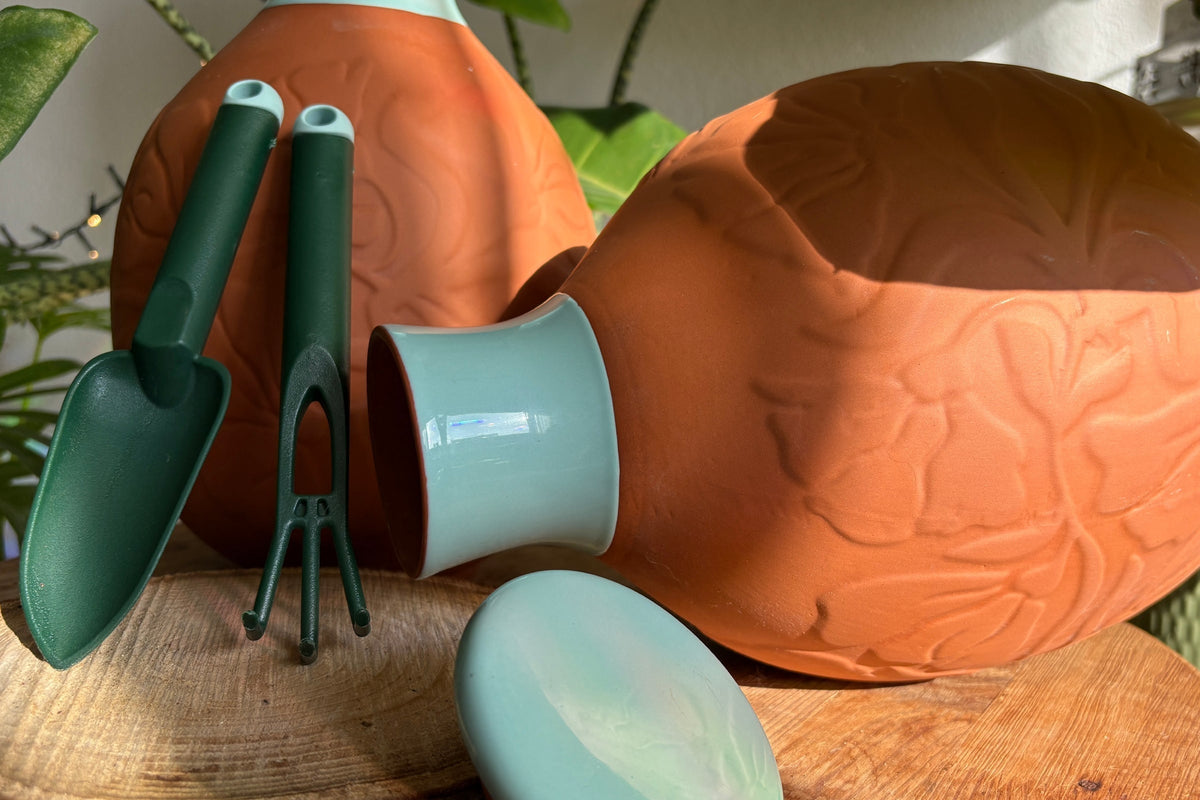
Ollas for Strawberries: Bed and Container Setups
How to use ollas for strawberries: 1-gallon vessels set 8-12 inches deep, plants 8-12 inches out, crowns kept dry. Cuts botrytis fruit rot and sizes berries up.
Ollas for Squash, Zucchini, and Cucumbers
How to use ollas for squash, zucchini, and cucumbers: sizing, 2-gallon minimum, hill planting around the vessel, and why dry foliage cuts powdery and downy mildew.
Ollas for Peppers: Placement and Watering Rates
How to use ollas for peppers: one 1-2 gallon olla serves 2-4 plants, buried 12-14 inches deep. Steady clay pot irrigation prevents blossom-end rot and flower drop.
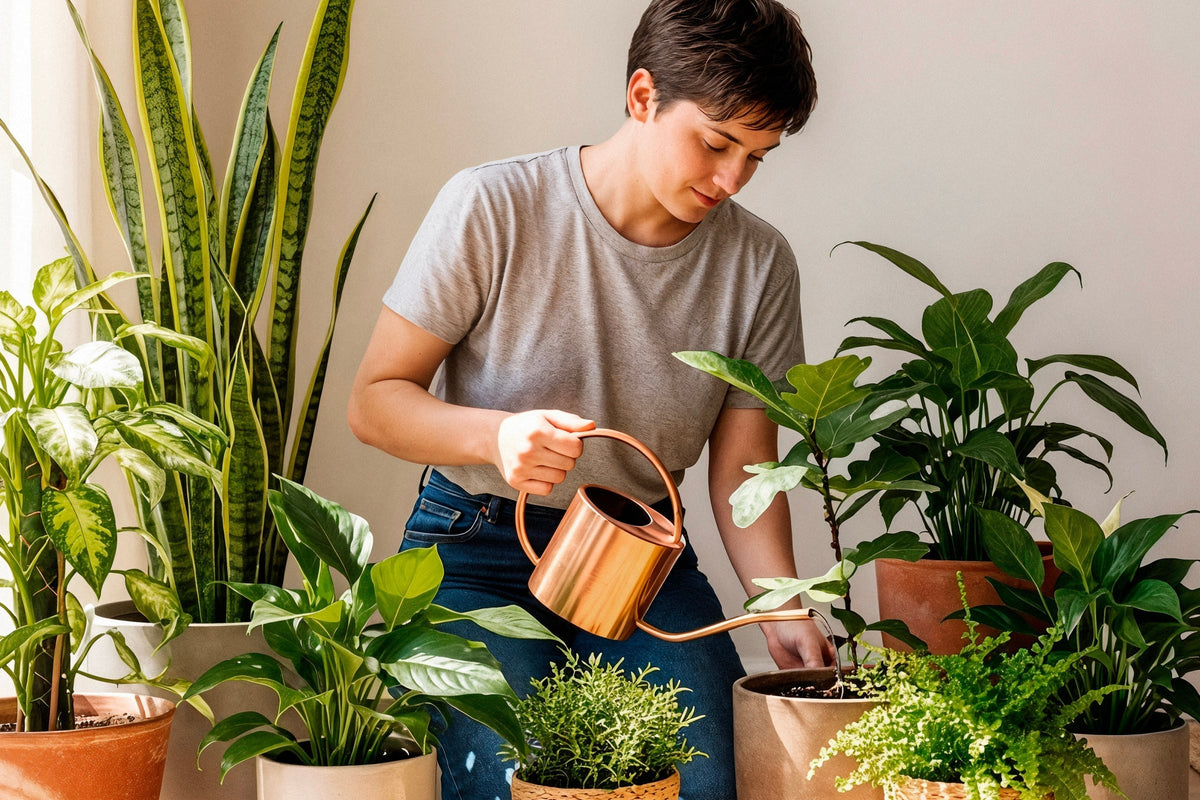
How Roots Grow Around a Buried Olla: Hydrotropism, Root Mats, and Deeper Rooting
Roots proliferate at the moist interface around a buried olla, forming a dense mat at the wall. Hydrotropism, deeper root architecture vs surface watering, planting distance, transplanting and end-of-season lifting.

Ollas in Sandy Soil: Spacing and Sizing Adjustments That Actually Work
Ollas in sandy soil form a narrow, deep wetted bulb with limited lateral reach - so space them closer, size up, refill more often, add organic matter, mulch heavily, and...

Why Is My Olla Draining Too Fast - or Not at All? A Diagnostic Guide
Olla draining too fast usually means sandy soil, a hairline crack, or poor backfill contact. Not draining at all is nearly always an air gap around the pot, clogged pores,...
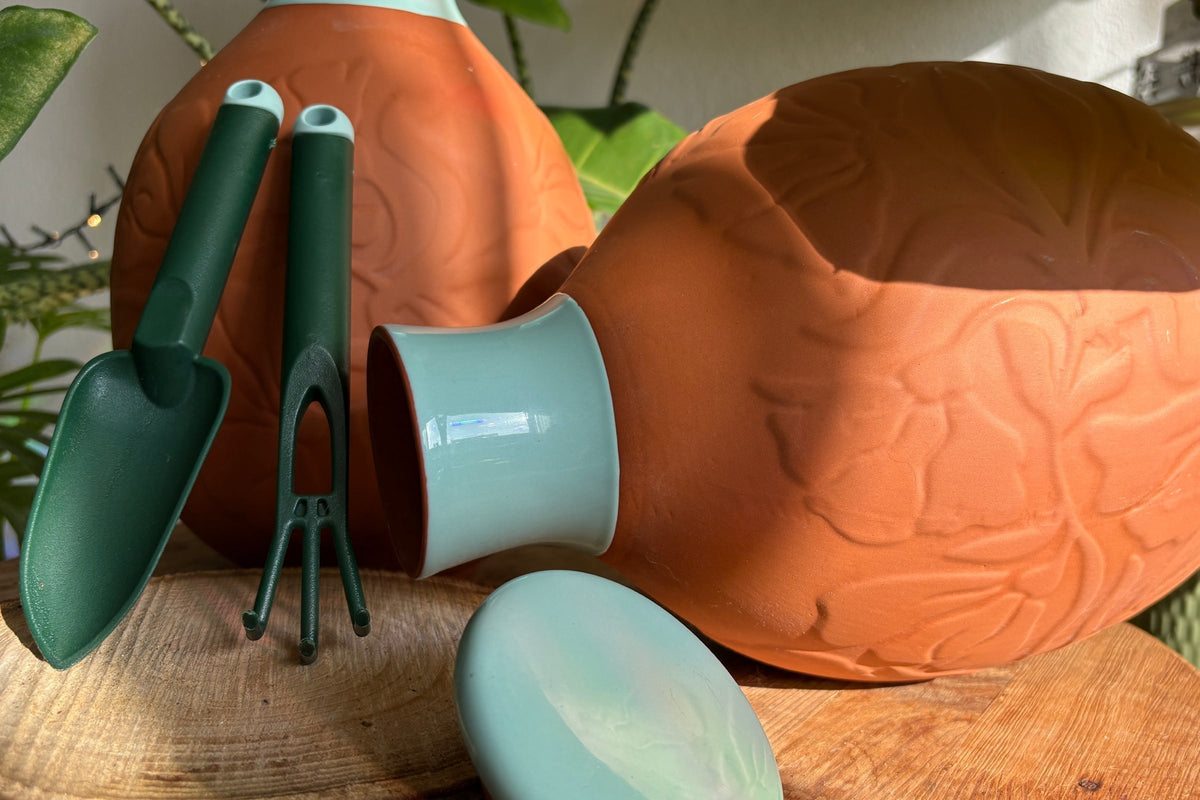
Can You Put Fertilizer in an Olla? Fertigation Explained
Generally no. Dissolved fertiliser salts stay behind in the clay wall as water passes through, clogging the pores and cutting output. Keep ollas on plain water and feed the soil...
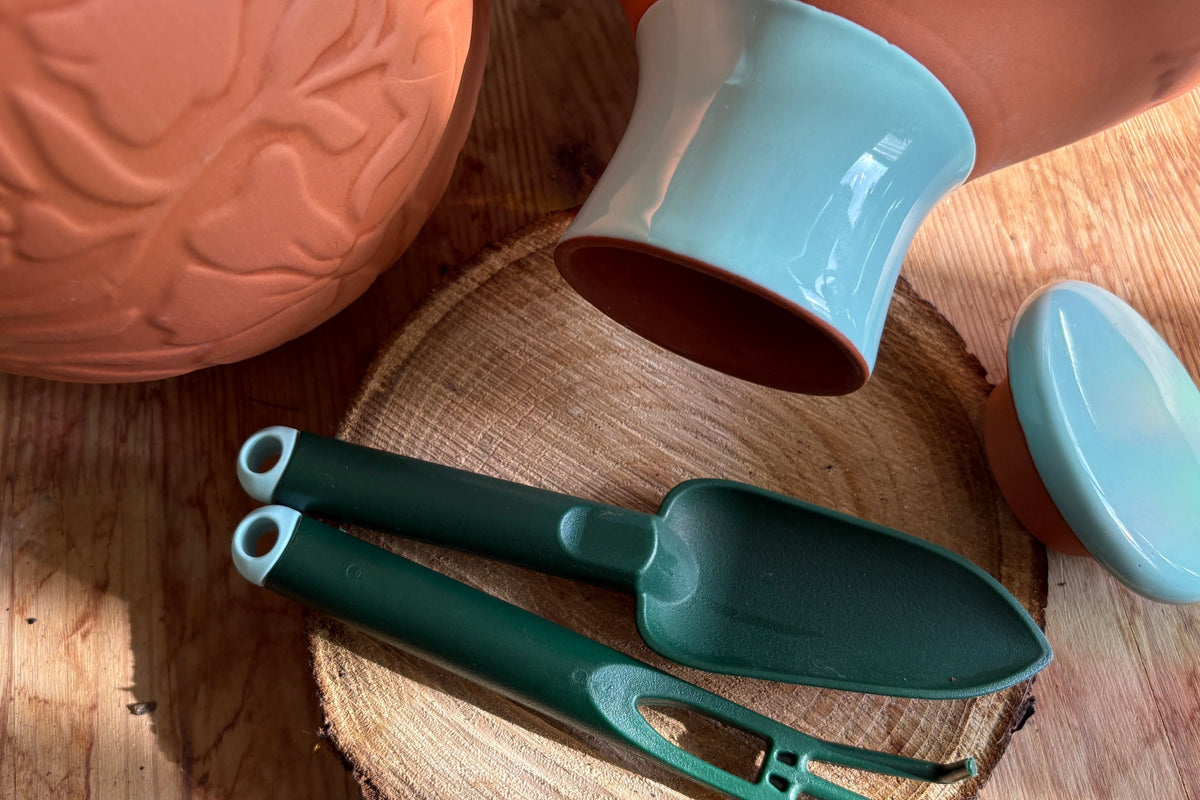
Algae, Slime, and White Crust: Buildup in Your Olla Explained
Green algae in an olla means light is reaching the water; white chalky crust is calcium carbonate from hard water. Learn what causes olla buildup and how to clean it...
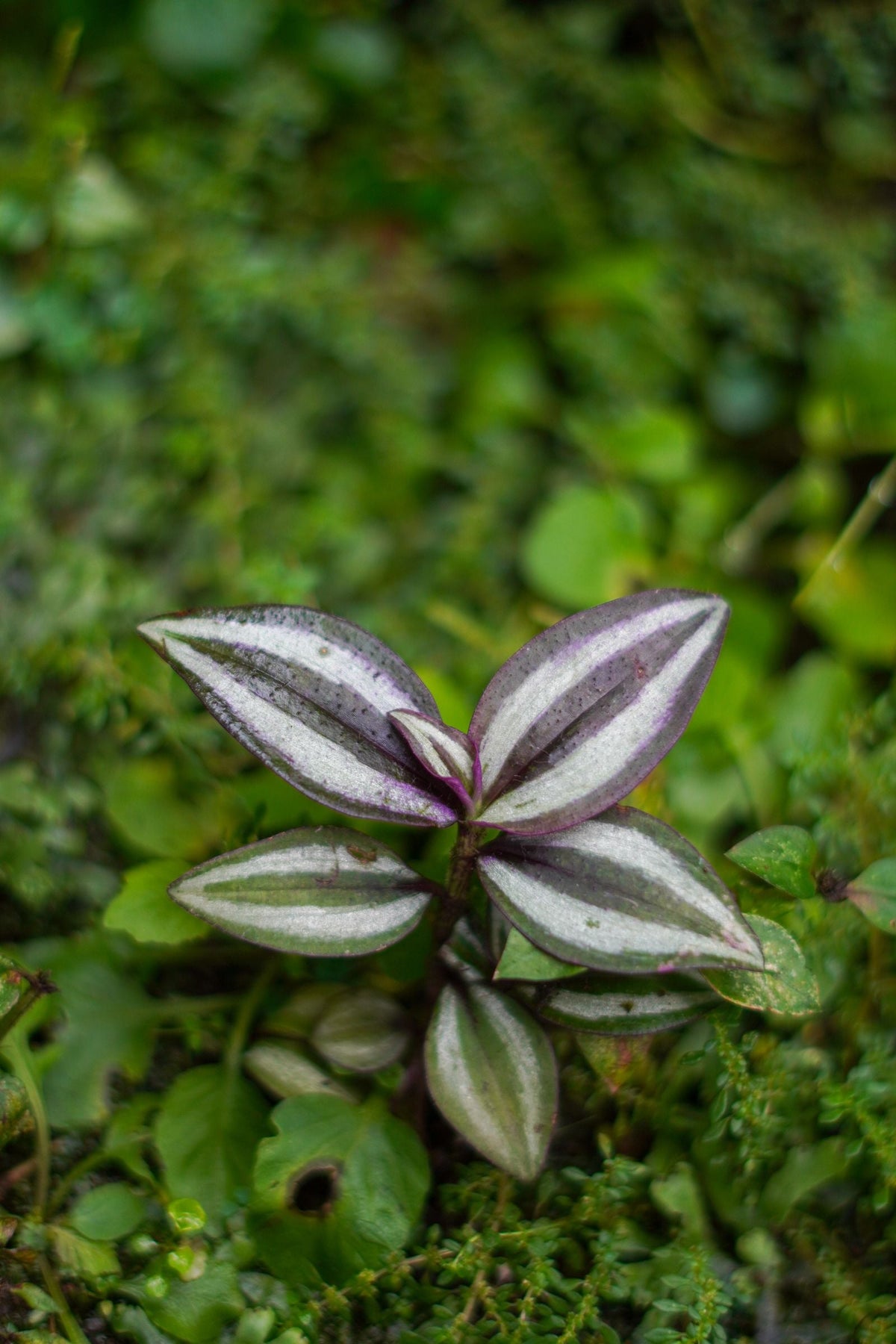
How Often to Water Tradescantia Sillamontana: Schedule, Signs, and Factors That Matter
How often to water Tradescantia sillamontana: roughly every 10-14 days, letting the soil dry well. Semi-succulent and drought-tolerant, with winter dieback and furry leaves that must stay dry.
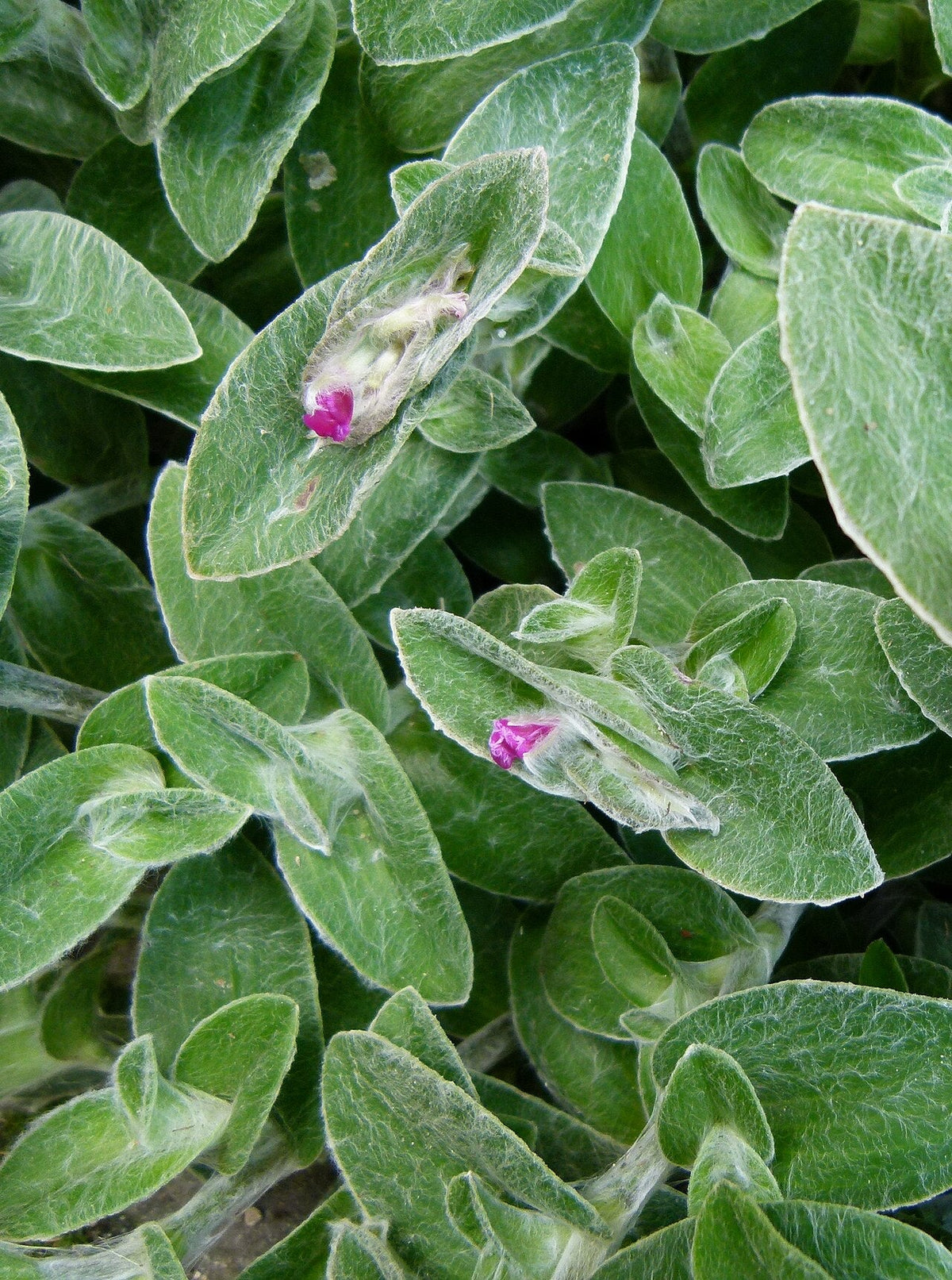
Tradescantia Sillamontana Light Requirements: A Complete Guide to Getting the Light Right
Tradescantia sillamontana light requirements: bright light with some direct sun keeps the white woolly hairs dense and the plant compact. Low light means stretched, sparse, less furry growth.
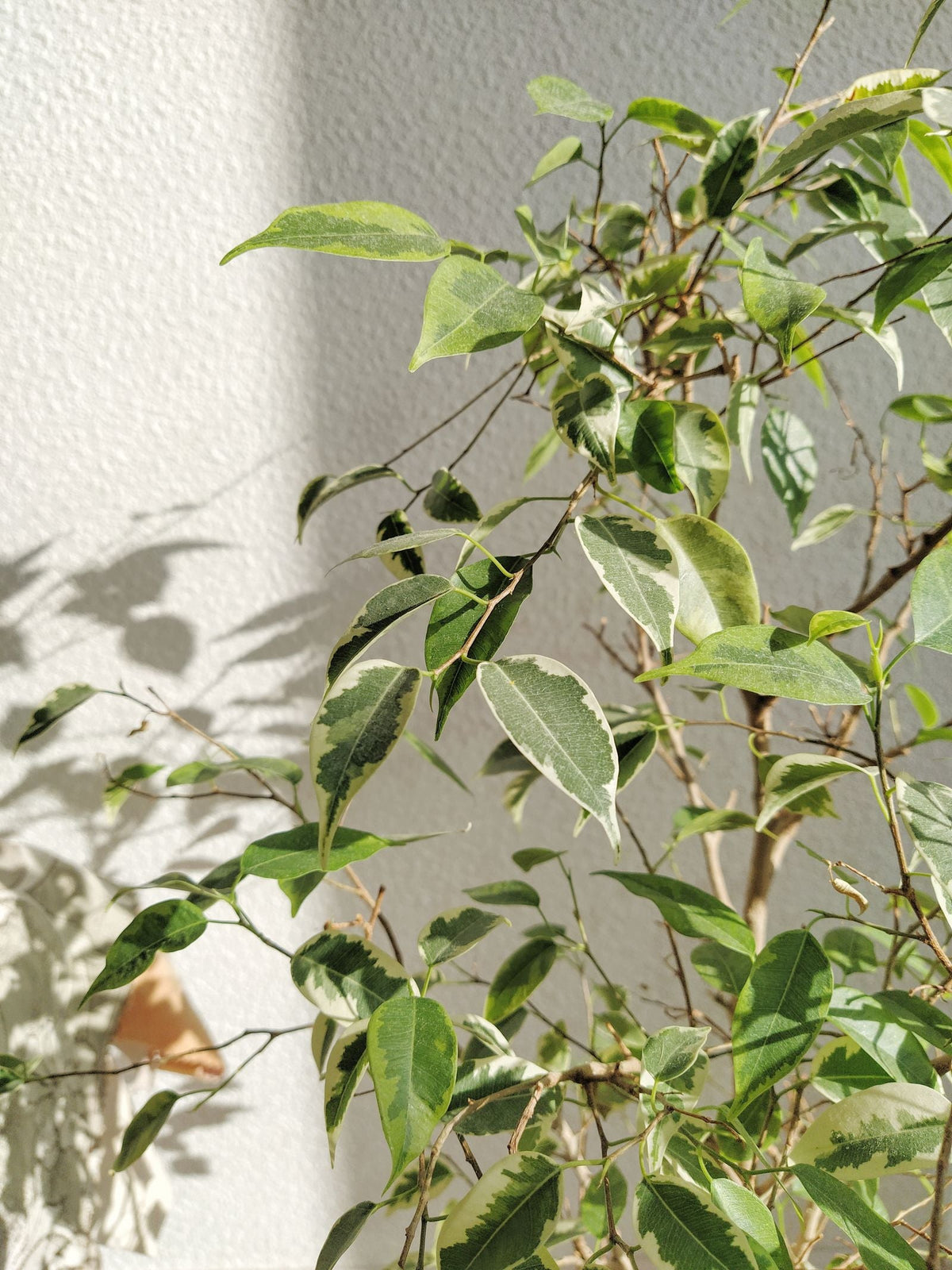
How Often to Water a Ficus Benjamina: Schedule, Signs, and Factors That Matter
How often to water a Ficus benjamina: roughly every 7-10 days once the top 1-2 inches dry. Seasonal schedule, underwatering and overwatering signs, and why erratic watering causes leaf drop.
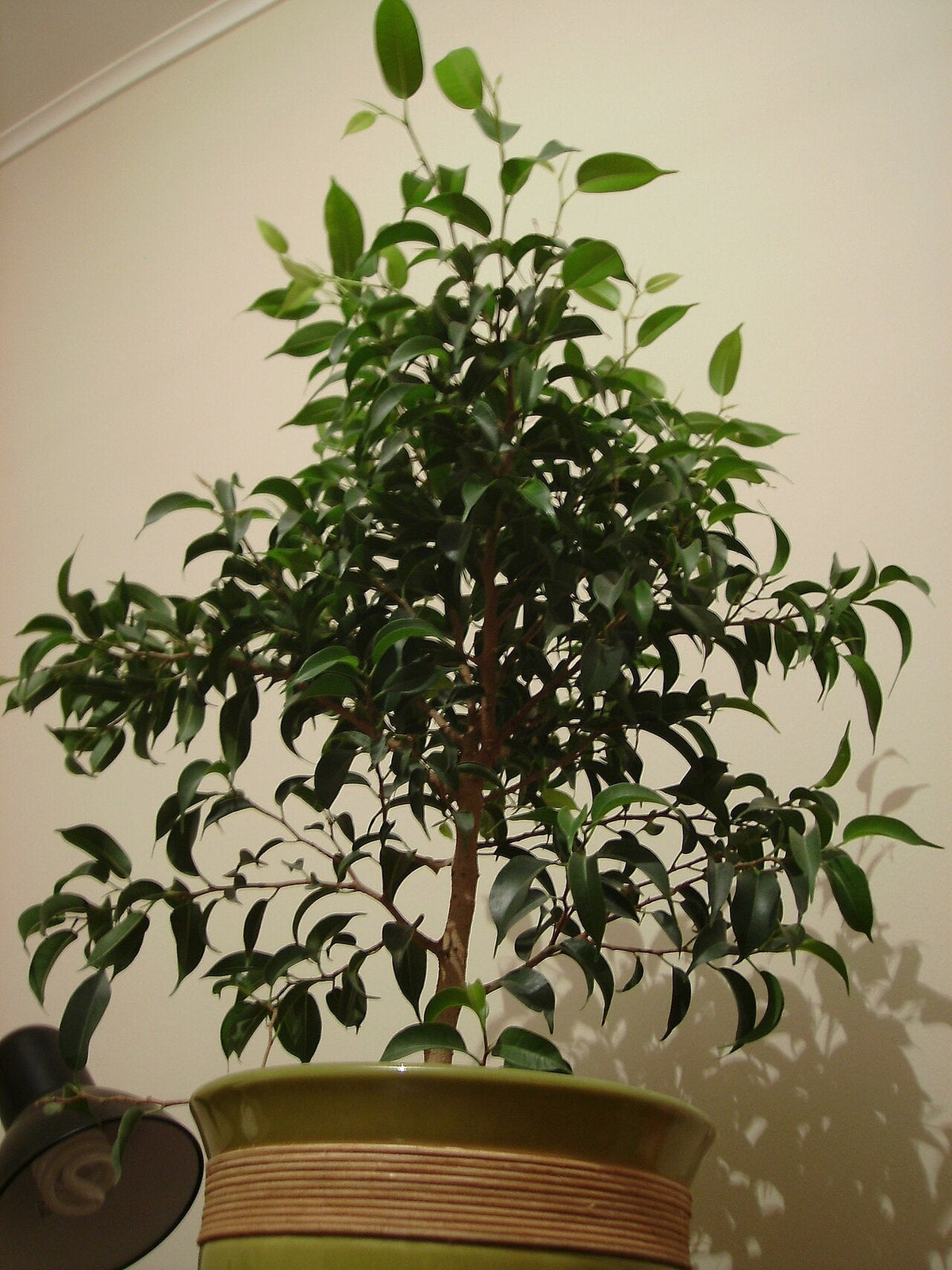
Ficus Benjamina Light Requirements: A Complete Guide to Bright, Indirect Light
Ficus benjamina light requirements explained: bright indirect light, a little gentle morning sun, and why every change of position triggers leaf drop. Complete Ficus benjamina light guide.
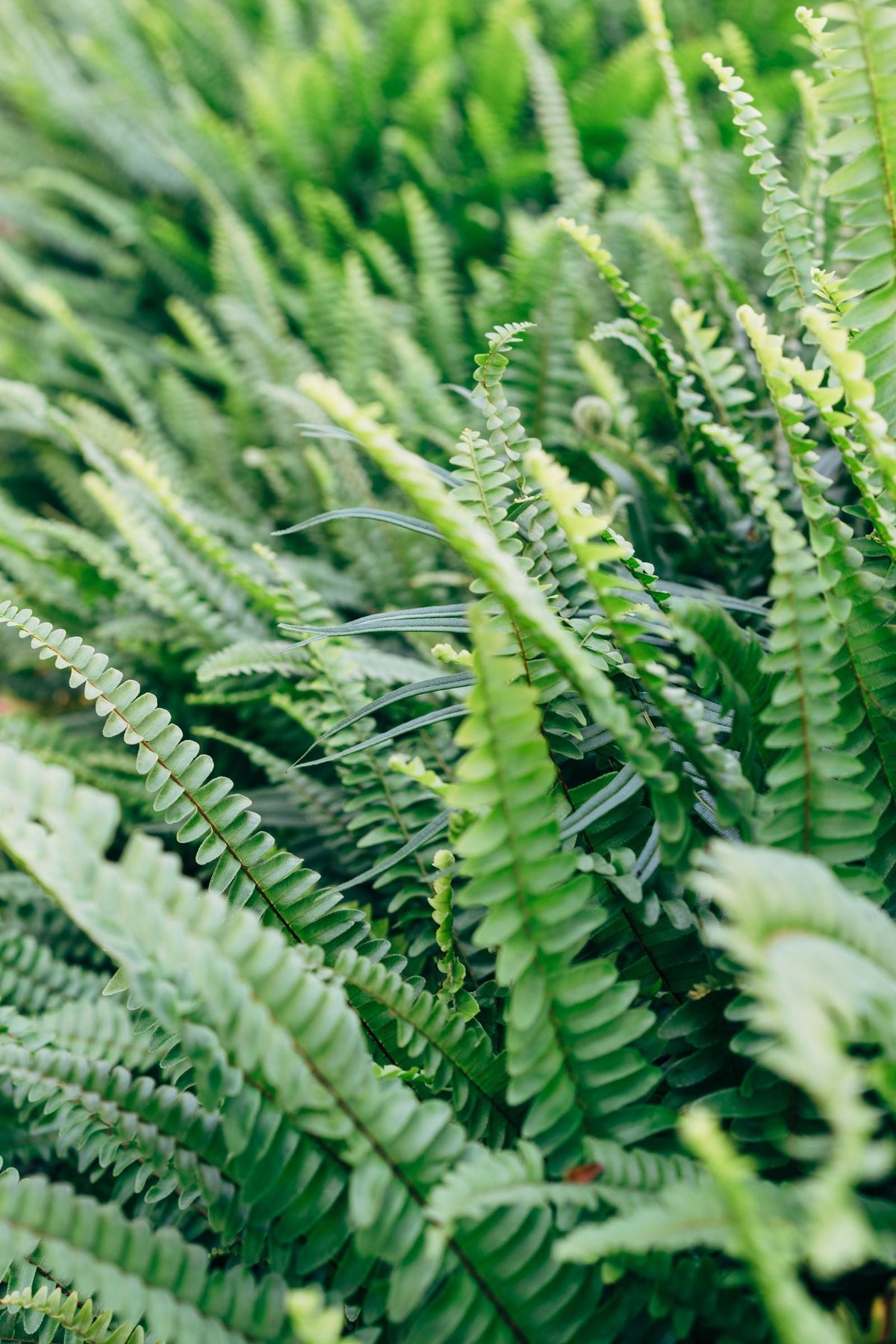
How Often to Water a Nephrolepis: Schedule, Signs, and Factors That Matter
How often to water a Nephrolepis: every 2-4 days, keeping the compost consistently moist and never letting it dry out. Humidity, crispy fronds, root rot signs and method.
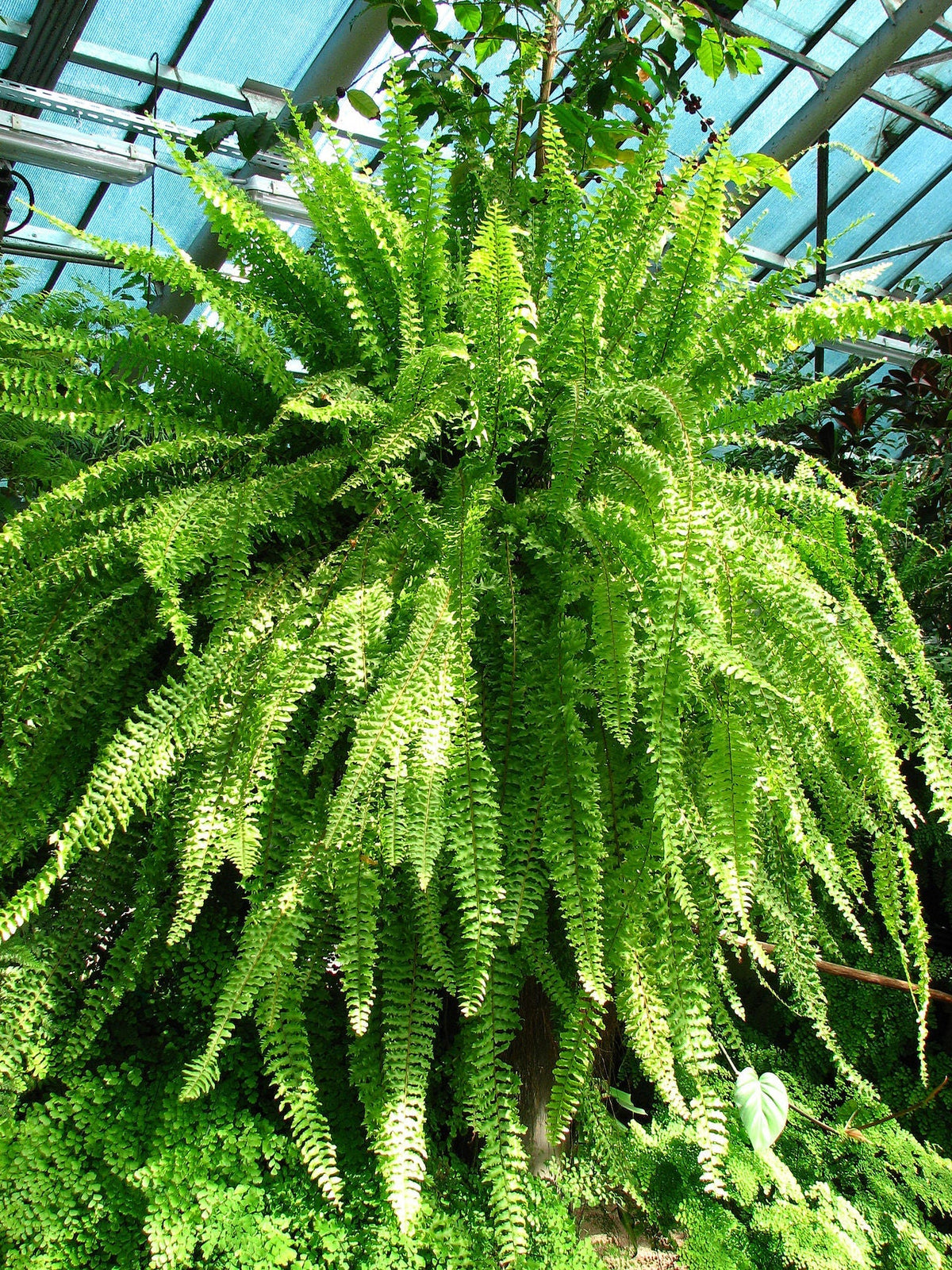
Nephrolepis Light Requirements: A Complete Guide to Indirect Light
Nephrolepis light requirements explained: bright to medium indirect light or dappled shade, never direct sun, which scorches the fronds. Window placement, symptoms and grow lights.
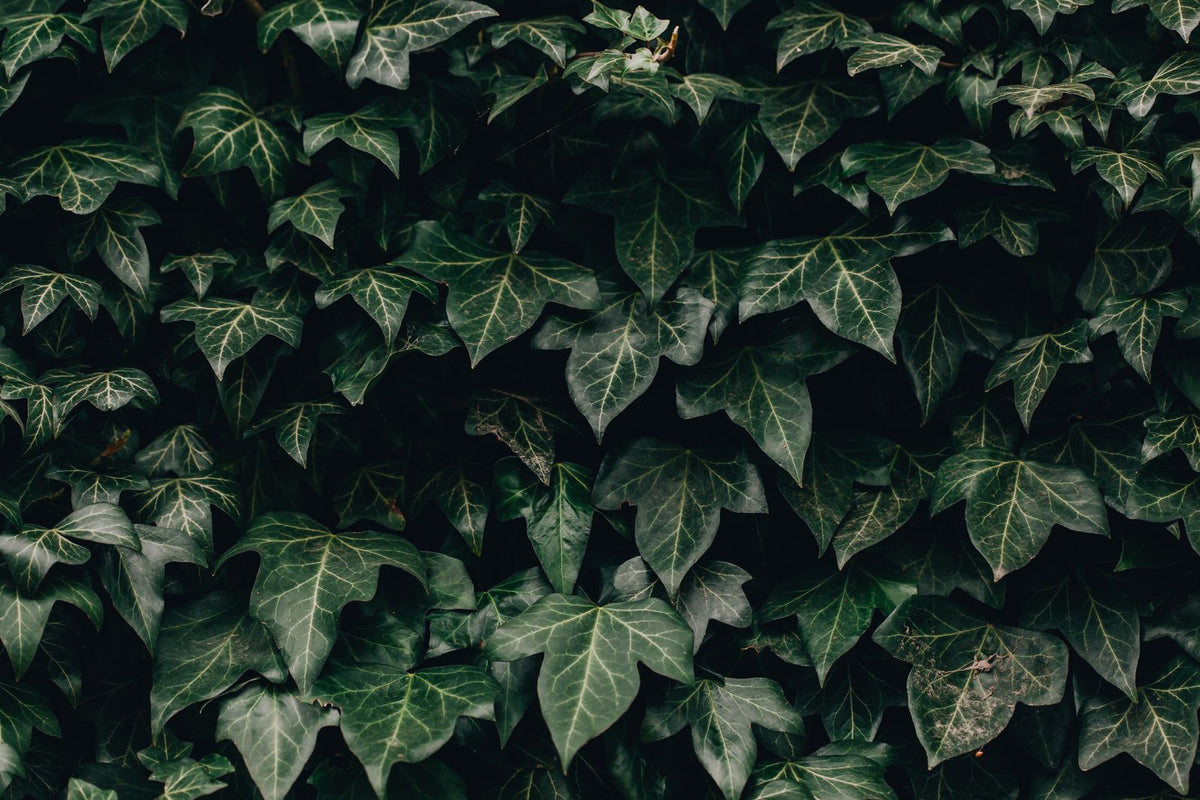
How Often to Water Hedera Helix: Schedule, Signs, and Factors That Matter
How often to water Hedera helix: roughly every 5-10 days, once the top inch of compost is dry. Seasonal schedule, spider mite risk, root rot signs and the right watering...
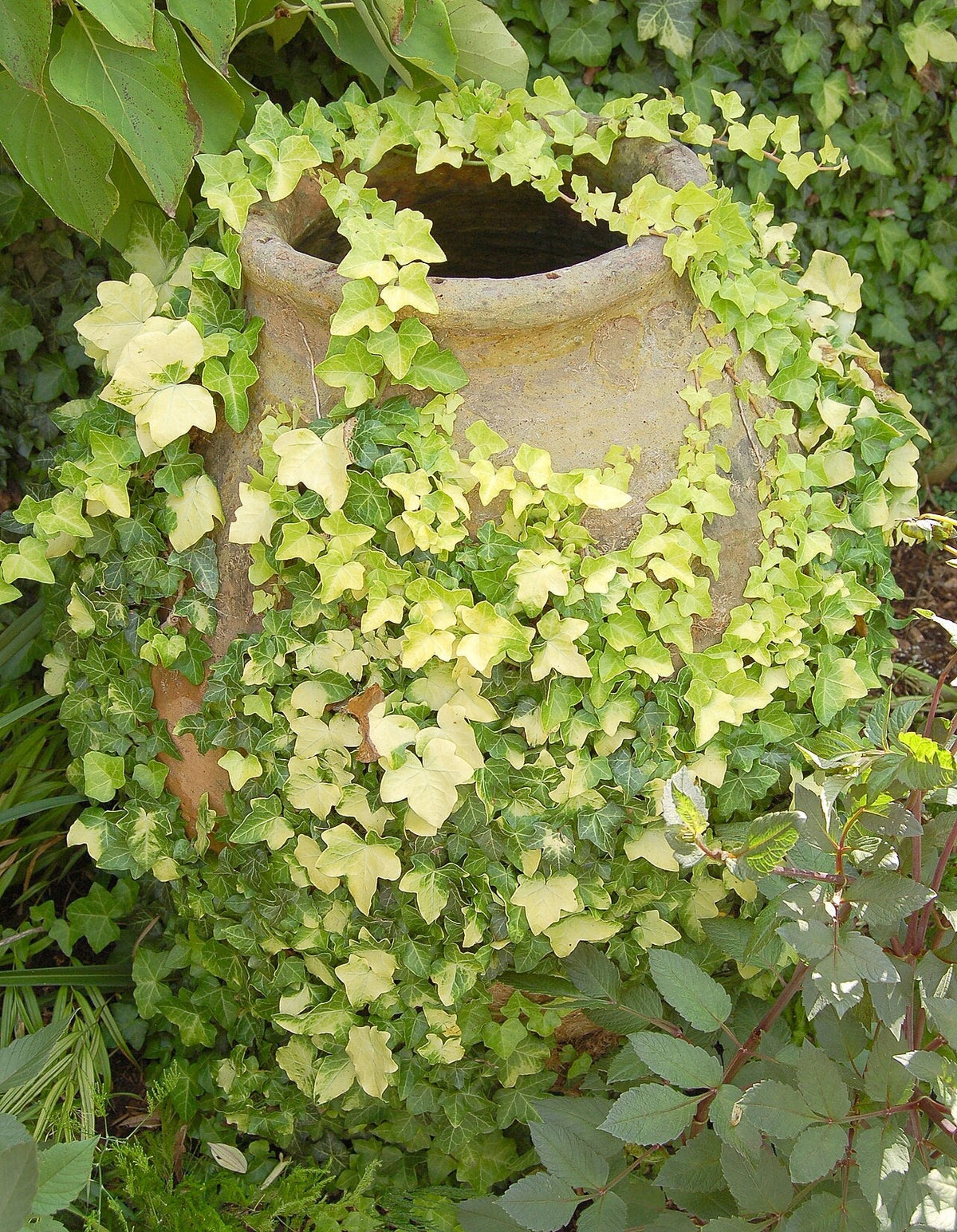
Hedera Helix Light Requirements: A Complete Guide to Getting the Light Right
Hedera helix light requirements explained: bright indirect light is best, medium and low light are tolerated at a cost, harsh direct sun burns. Placement, variegation, and grow lights.
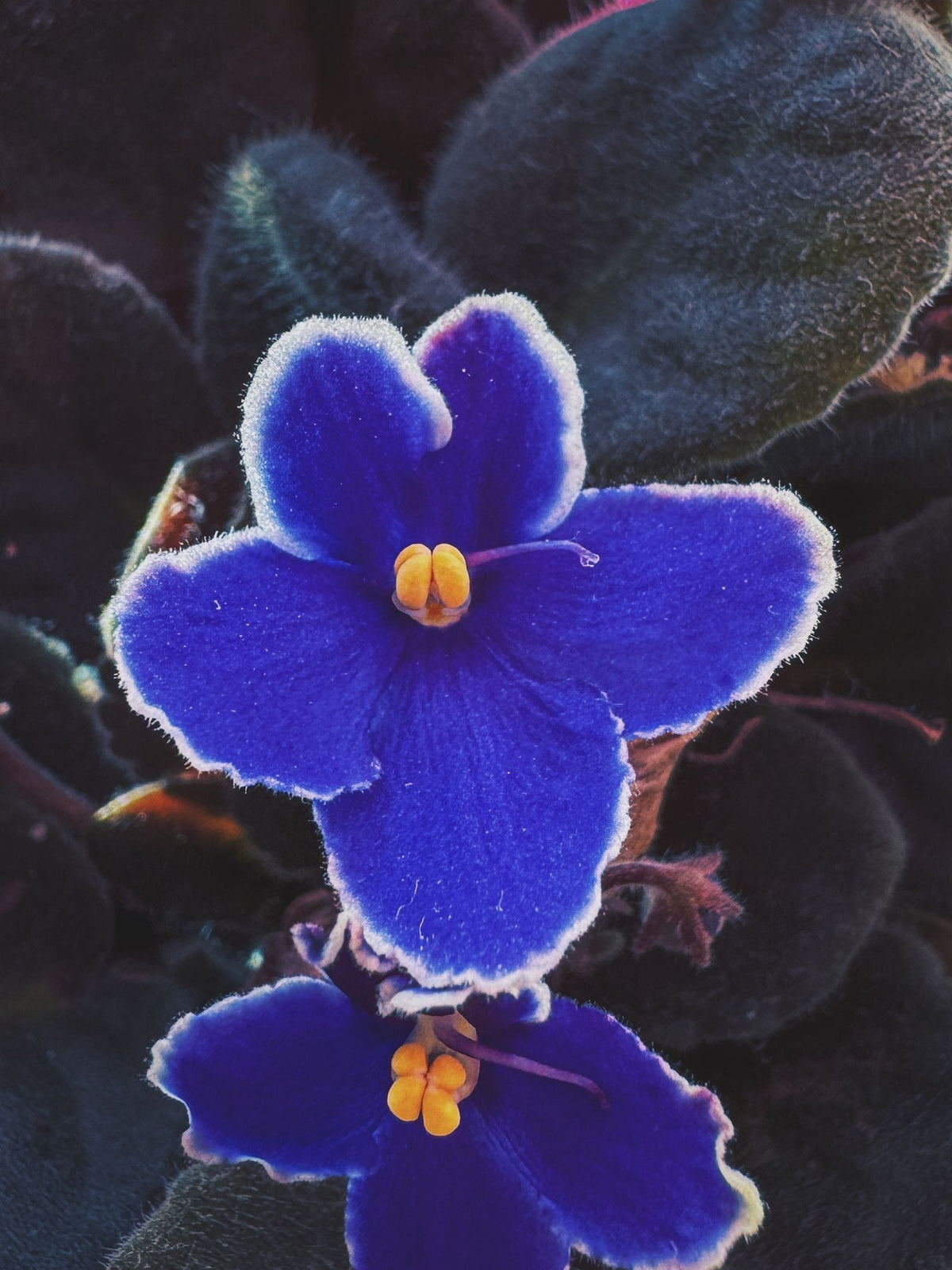
How Often to Water a Saintpaulia: Schedule, Signs, and Factors That Matter
How often to water a Saintpaulia: every 7-10 days, from below or at the soil edge, always with room-temperature water. Evidence-based guide to African violet watering, ring spotting, and crown...
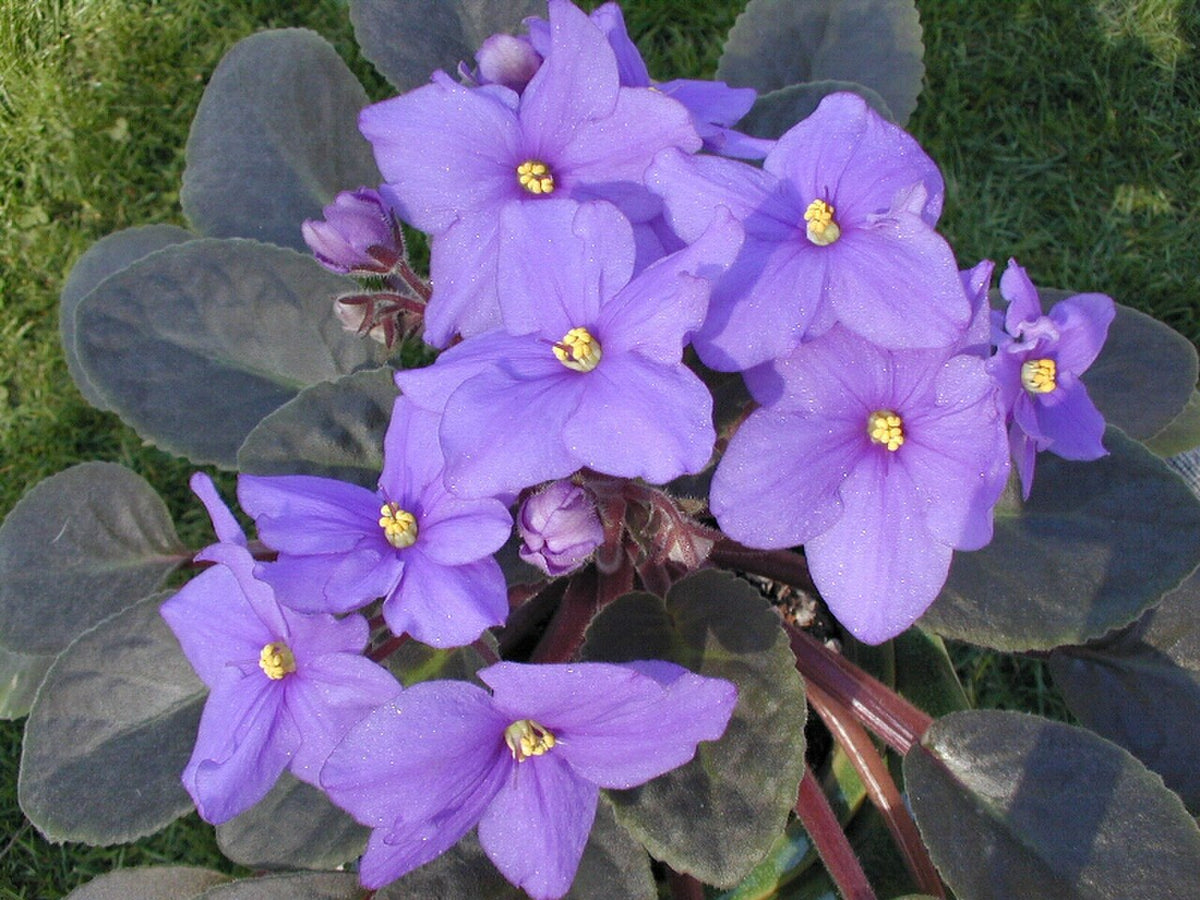
Saintpaulia Light Requirements: A Complete Guide to Light for Blooms
Saintpaulia light requirements explained: bright indirect light for about 12 hours a day keeps African violets in continuous bloom. East or north windows, no direct sun, and grow light guidance.
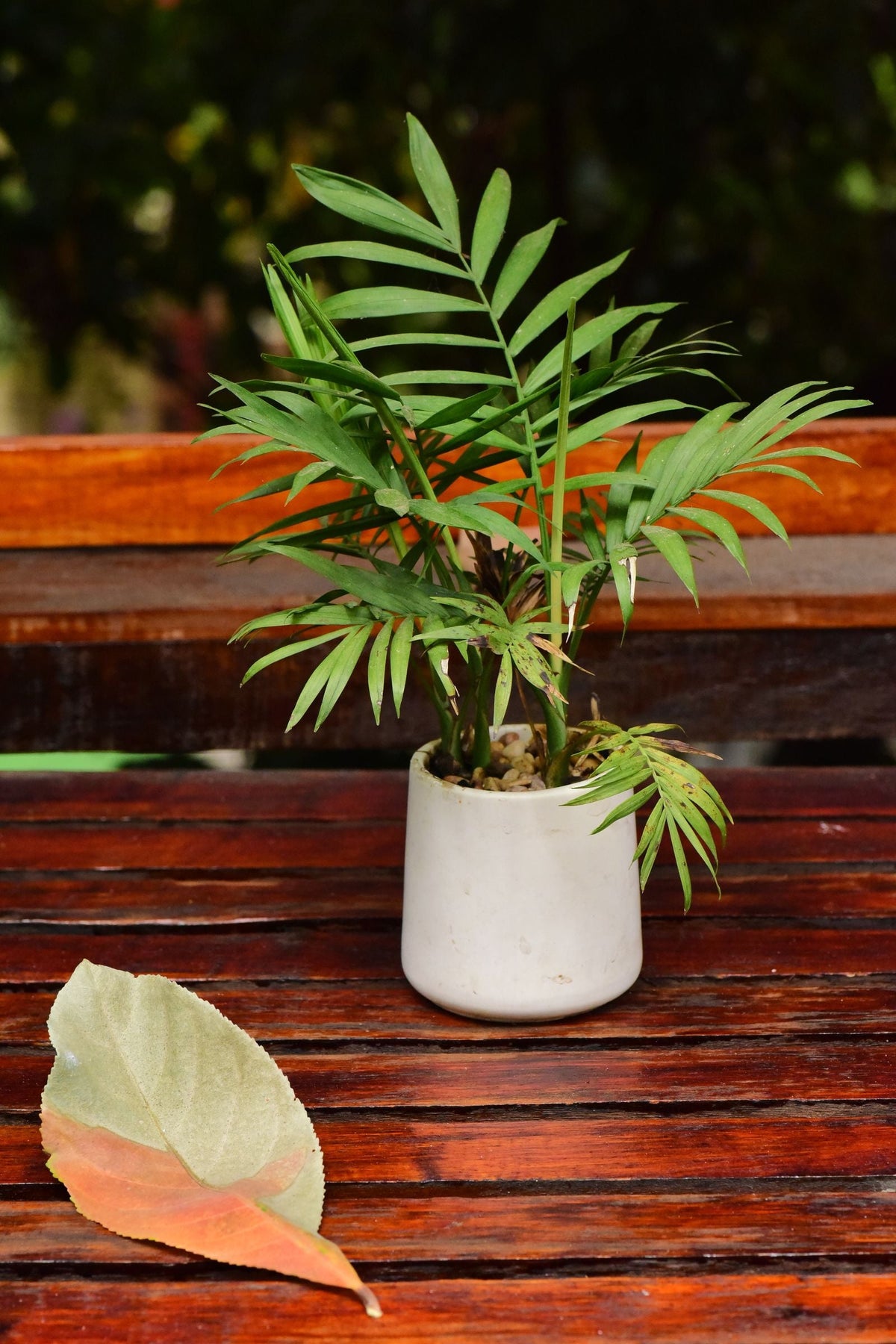
How Often to Water a Chamaedorea: Schedule, Signs, and Factors That Matter
How often to water a Chamaedorea: every 7-10 days once the top inch of soil is dry. Evidence-based watering guide for Chamaedorea elegans covering root rot, brown frond tips, and...
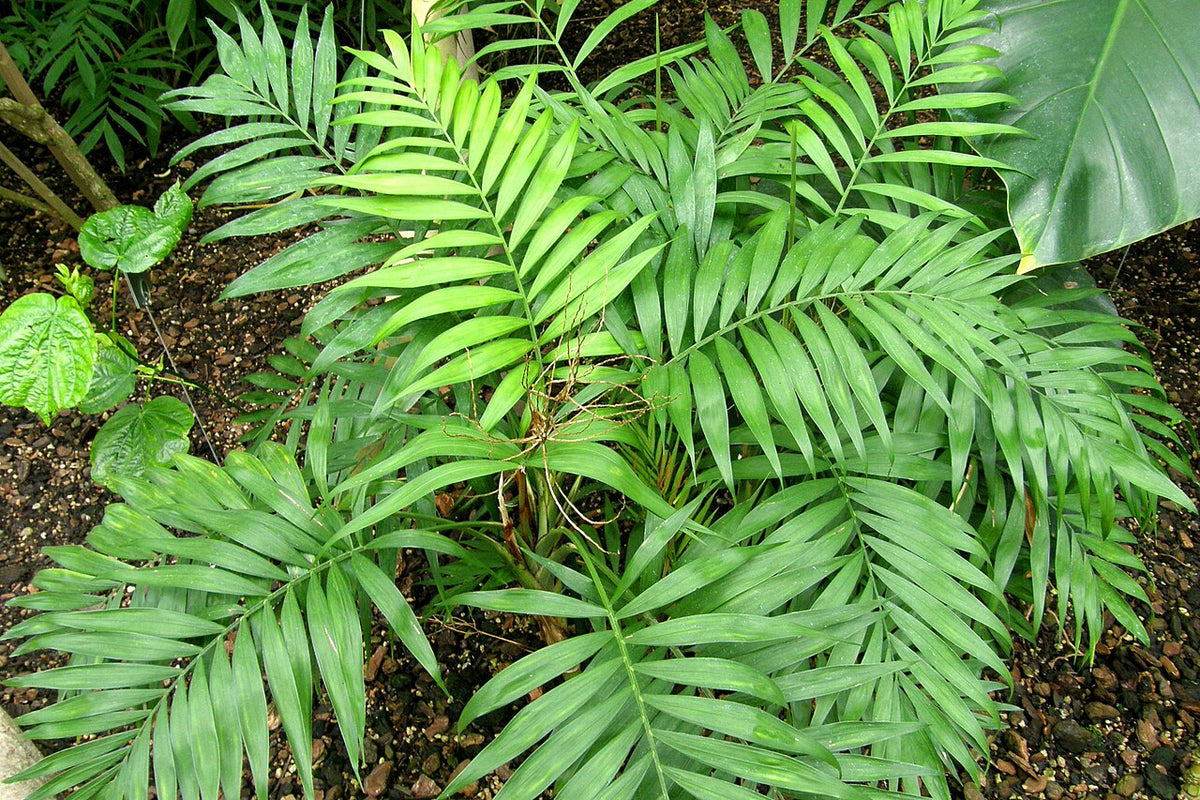
Chamaedorea Light Requirements: A Guide to Low-Light Growing
Chamaedorea light requirements explained: low to medium indirect light, one of the most shade-tolerant palms, and never direct sun. A complete guide to Chamaedorea elegans light needs and placement.
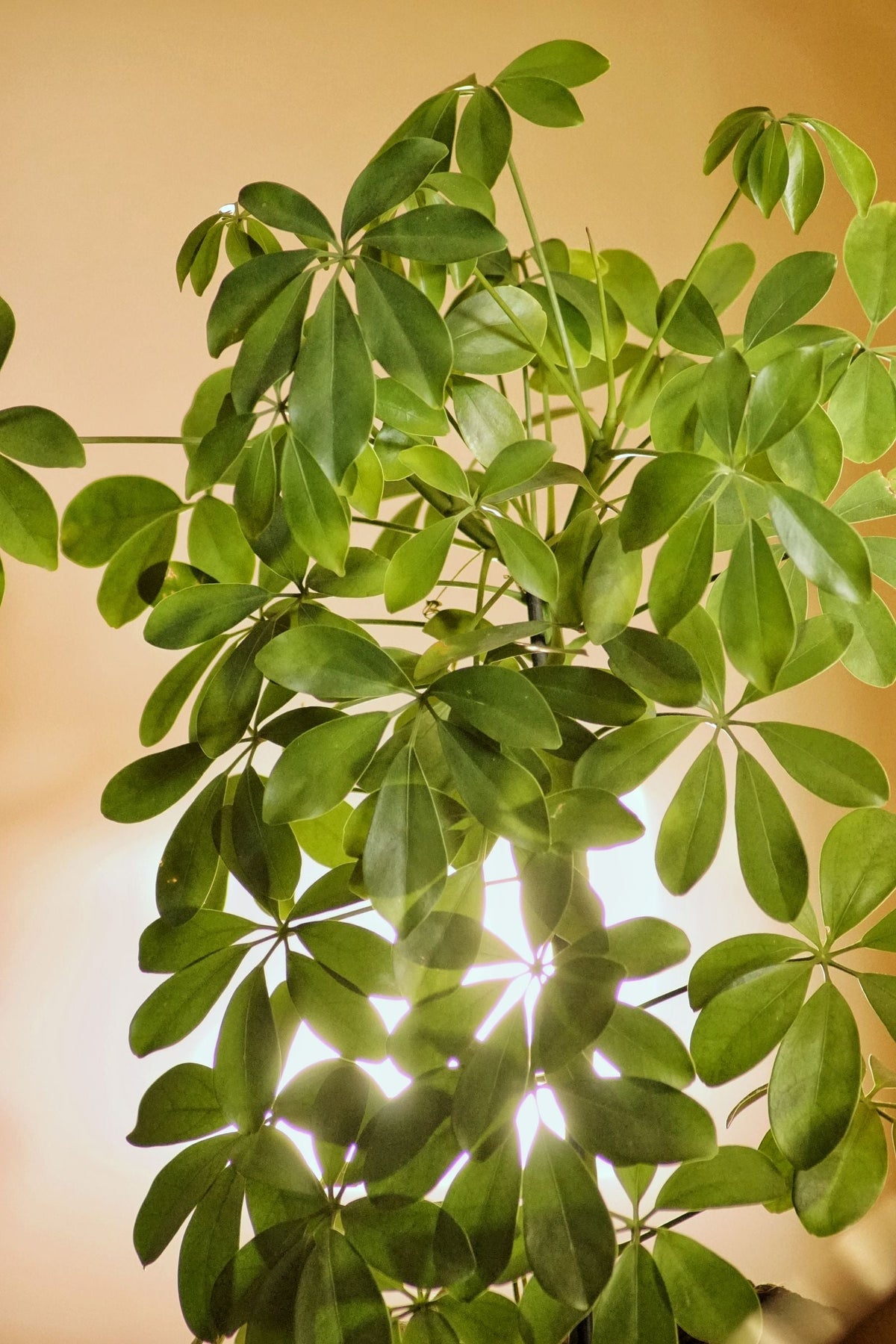
How Often to Water a Schefflera: Schedule, Signs, and Factors That Matter
How often to water a schefflera: every 7-10 days once the top 1-2 inches dry. Evidence-based watering guide for Schefflera arboricola covering leaf drop, root rot, and toxicity, with citations.
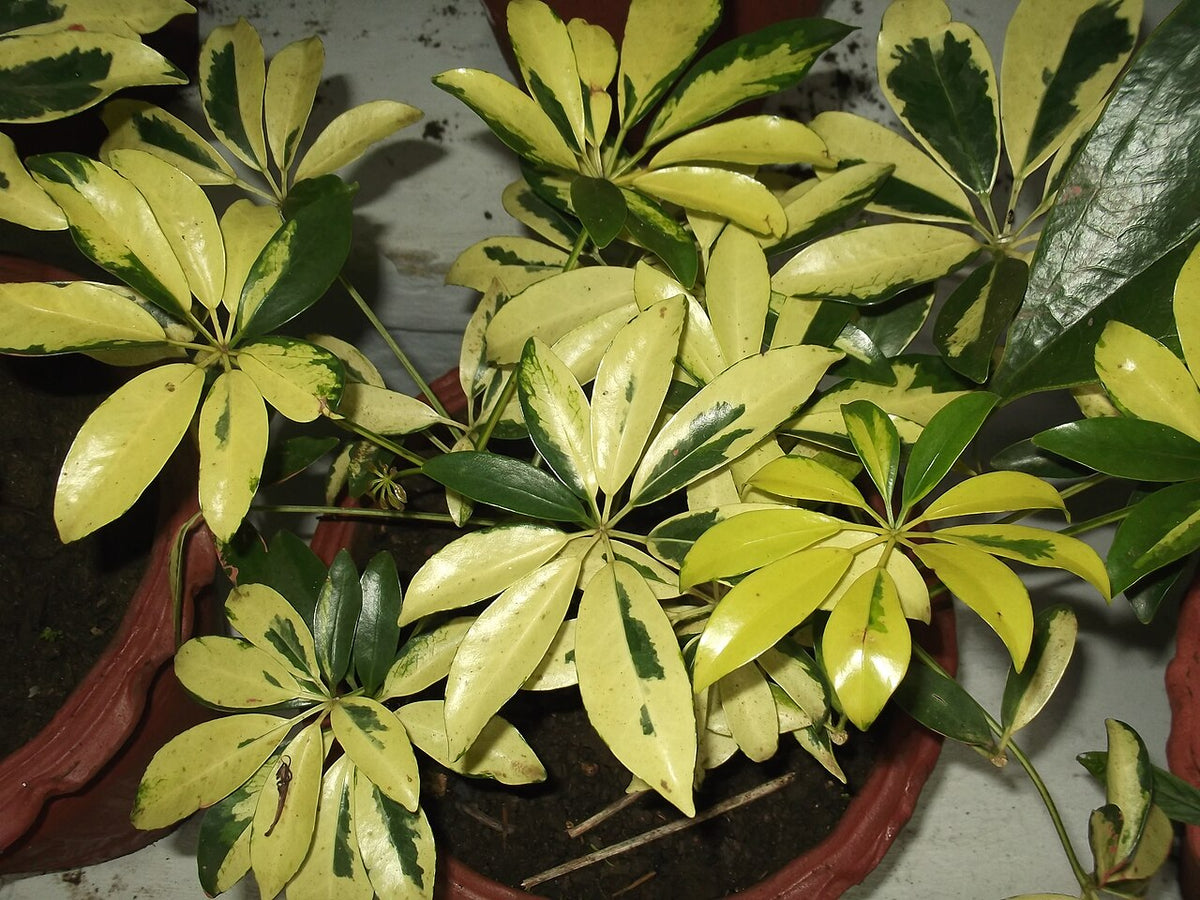
Schefflera Light Requirements: A Complete Guide to Getting the Light Right
Schefflera light requirements explained: bright indirect light, tolerates medium, variegated forms need more. A complete guide to schefflera light needs, leggy growth, and leaflet drop.
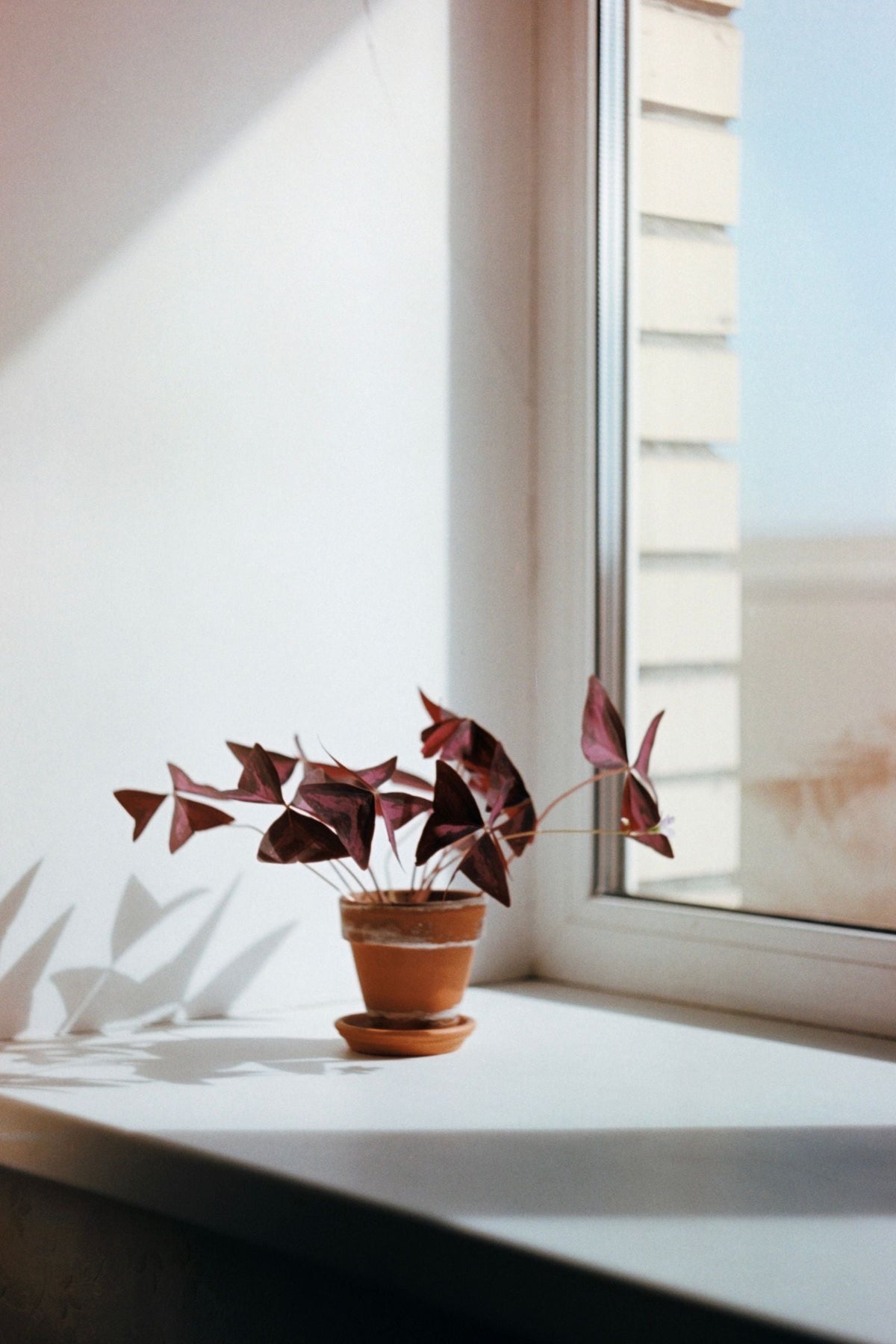
How Often to Water Oxalis: Schedule, Signs, and Factors That Matter
How often to water oxalis: every 7-10 days once the top inch dries, and nothing at all while the bulbs are dormant. Evidence-based watering guide for Oxalis triangularis with citations.