

Sunflower Light Requirements: A Guide to Full-Sun Growing
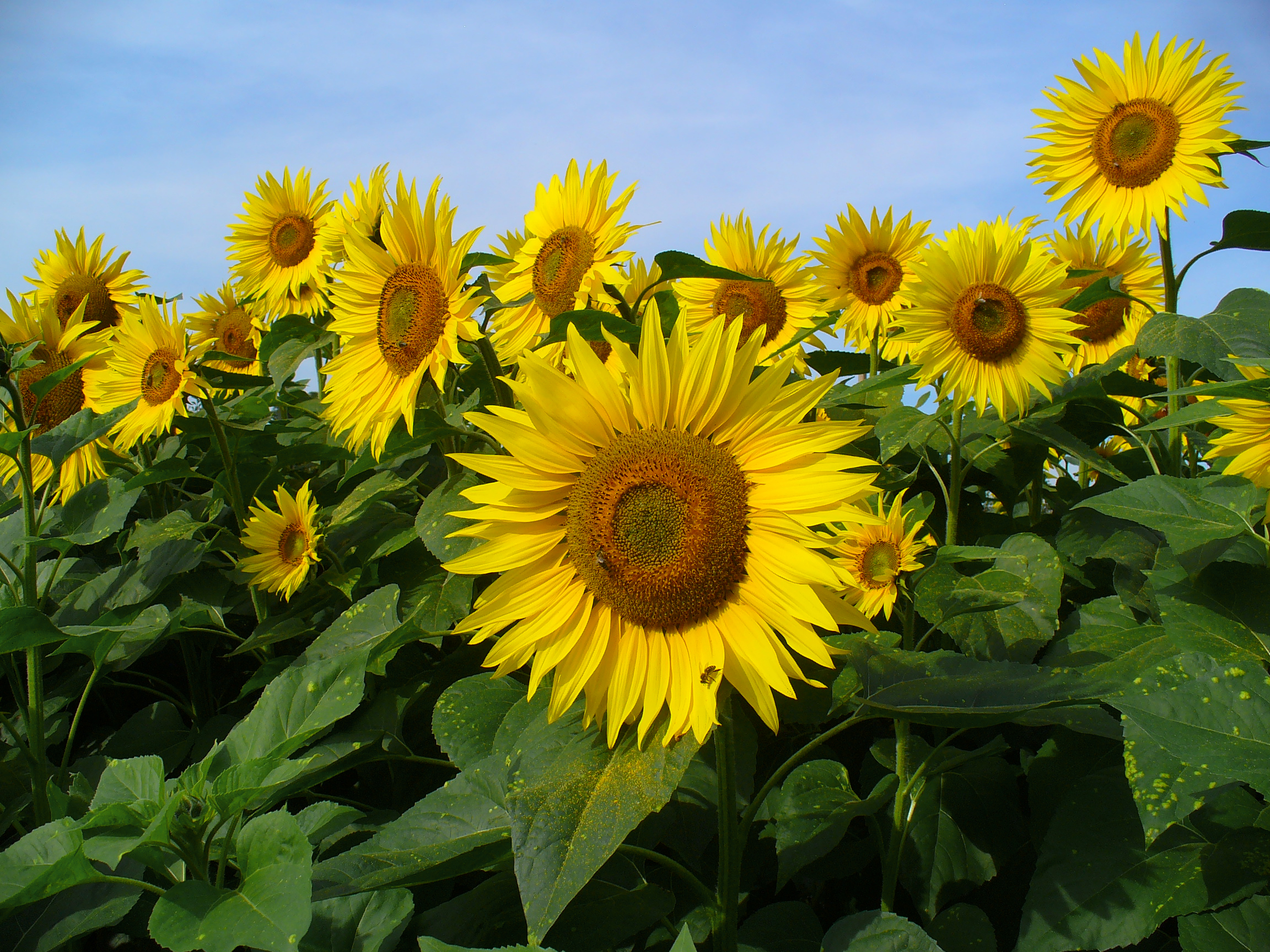
If there is one plant that makes sunflower light requirements obvious from its name, it is this one. Sunflowers (Helianthus annuus) are unapologetic full-sun plants: they are bred by nature and by growers for open, unshaded ground, and the amount of direct sunlight they receive controls stem strength, flower head size, and how fast they reach bloom. This guide covers exactly how much sun sunflowers need, the famous sun-tracking behaviour of young plants, what shade does to a sunflower, and how to pick the right garden spot for the biggest heads[1][2].
Sunflower light meter
Sunflower light requirements in one line: full sun, meaning 6–8 or more hours of direct sunlight every day, and the more the better. Sunflowers do not merely tolerate strong sun — they need it. Young plants track the sun across the sky (heliotropism) while mature heads settle facing east. In shade, sunflowers grow weak, leaning stems and produce small, sparse flower heads.
01 · THE SIMPLE ANSWER
How much sun does a sunflower need?
A sunflower needs full sun — 6 to 8 or more hours of direct, unfiltered sunlight per day. That is the horticultural definition of full sun, and sunflowers sit at the demanding end of it: 8 or more hours produces noticeably thicker stems and larger flower heads than the 6-hour minimum[1][3]. There is effectively no upper limit in temperate gardens; a sunflower in an open, south-facing bed with sun from dawn to dusk is a sunflower in its ideal light conditions.
The reason is written into the plant's origin. Helianthus annuus is native to the open plains and prairies of North America, where it evolved as a fast, tall, pioneering annual competing for unobstructed overhead light on disturbed, treeless ground[4][5]. Nothing in that history prepared it for shade, and nothing in cultivation has changed that. A sunflower is a solar-powered growth machine: it converts an enormous amount of light into an enormous amount of biomass in a single season, and if you throttle the light you throttle the plant.
Practically, that means the sunniest position you have. Sunflower light requirements are not satisfied by "bright" — they need direct sun hitting the leaves. Count the hours over a full day before you sow: a spot that gets morning sun and then falls into the shadow of a fence, hedge, or house by 1 p.m. will grow a leaning, undersized sunflower no matter how good the soil is.
02 · THE LIGHT METER
Sunflower light levels, from deep shade to full sun
The easiest way to think about sunflower light needs is a spectrum running from deep shade to open full sun. Here is where a sunflower wants to sit on it — the outlined band marks the ideal light conditions:
Sunflower light meter
A sunflower sits at the far right of that band and nowhere else. It thrives in full sun, struggles the moment direct sunlight drops below about six hours, and simply fails in bright indirect light or shade — conditions that suit a woodland perennial are a slow death sentence for a prairie annual[2][6]. If you remember one thing about sunflower lighting, make it this: there is no such thing as too much sun for a sunflower in a garden bed, only too little.
Heat is the one caveat that travels with all that light. In very hot, dry regions the sun itself is never the problem — the water demand it creates is. A sunflower in blazing sun with dry soil wilts; the same plant in the same sun with steady root-zone moisture keeps growing. Sun and water are a package deal for this plant.
03 · LIGHT BY GARDEN SPOT
The best garden spot for sunflower light
Which part of the garden gives a sunflower the light it needs? Rather than window direction, outdoor growers should think in terms of daily direct-sun hours by garden spot (Northern Hemisphere — reverse the aspects for the Southern)[7]:
Full sun bed
✓ Ideal
Open ground with 6–8+ hours of direct sun and no overhead canopy. Tallest stems, biggest heads, strongest seed set.
Part shade
△ Marginal
Roughly 4–6 hours of direct sun. Plants survive but lean toward the light, flower later, and heads shrink noticeably.
Dappled shade
✗ Avoid
Filtered light under a tree canopy. Sunflowers stretch, thin, and rarely reach a usable flower — not enough direct sunlight.
Deep shade
✗ No
North-facing walls, dense shrubbery, narrow side passages. Seedlings etiolate and collapse; a sunflower cannot grow here.
Also check what is next to the bed, not just above it. Sunflowers are tall, so a low hedge that shades a bed of lettuce may be irrelevant to a six-foot sunflower — but a building, wall, or mature tree to the south will cast shade all day at every height. And remember that sunflowers themselves cast shade: plant a row on the north side of the plot so they do not shade shorter crops, and space tall varieties 18–24 inches apart so they are not competing with each other for the same light.

04 · TOO LITTLE LIGHT
Signs your sunflower needs more sun
A shaded sunflower is easy to diagnose because the symptoms are structural, not just cosmetic. When direct sunlight falls short, the plant reallocates everything into reaching for light[6][8]:
- Thin, weak, leaning stems. The classic shade response. Stems elongate and stay narrow, so plants flop, bend toward the brightest side, and often need staking — a sunflower grown in full sun rarely does.
- Small flower heads. Head diameter tracks accumulated light almost directly. Insufficient sun produces heads a fraction of the size the variety should reach, with sparse, poorly filled seed centres.
- Delayed or failed flowering. Shaded plants take longer to reach bloom and, if light is very low, may never set a flower bud before the season ends.
- Pale leaves and stalled growth. Foliage looks washed out and light green, lower leaves yellow and drop, and the plant simply stops gaining height — there is not enough photosynthesis to fund the growth.
Because sunflowers are annuals, there is no fixing a badly sited plant mid-season. The remedy is next year's siting decision: choose the open, unobstructed spot from the start.

05 · TOO MUCH SUN & HEAT
Can a sunflower get too much sun?
Almost never in terms of light itself — but the heat and water loss that come with intense sun can absolutely stress a sunflower. What looks like sun damage is nearly always drought stress in disguise[3][9]:
- Midday wilting that recovers by evening. Large leaves lose water faster than roots can supply it in peak heat. Brief afternoon wilt with overnight recovery is normal; wilting that persists into the morning means the soil is genuinely dry.
- Crispy brown leaf margins. Sustained heat plus dry soil scorches the leaf edges, especially on container-grown plants where the root zone heats up and dries out fast.
- Bleached, papery ray florets. Very intense sun combined with heat can fade and dry the petals faster, shortening the display — a cosmetic problem rather than a health one.
- Stalled growth in a heatwave. Above roughly 95°F/35°C with dry soil, growth and pollination can both suffer, reducing seed fill in the centre of the head.
The fix is never to shade a sunflower. It is to support the light with water and soil: mulch the root zone, water deeply and less often so roots go down rather than sideways, and keep large container-grown sunflowers out of reflected heat traps against south-facing walls.
06 · LIGHT & BLOOMING
Heliotropism: how light shapes sunflower blooms
Sunflowers give the clearest demonstration of light-driven behaviour in the whole garden. Young, pre-flowering sunflowers are heliotropic: the developing bud and upper stem track the sun from east to west through the day, then swing back overnight to face east again before dawn. The movement is driven by differential elongation on opposite sides of the stem, coordinated by the plant's internal circadian clock rather than by the light alone[10].
Once the flower head opens, that tracking stops. Mature sunflower heads settle facing east and stay there. This is not an accident of stem stiffening: east-facing heads warm faster in the morning sun, and warm heads attract significantly more pollinators early in the day, which improves seed set[10][11]. It is worth knowing before you plant: a row of sunflowers grown for cut flowers or for looking at from the house should be sited so that east is the direction you will be viewing from, or you will spend the summer photographing the backs of the heads.
The link between light and blooming is otherwise straightforward: total accumulated sunlight determines how much energy the plant can pour into the head. Full-sun plants bloom earlier, produce larger and heavier heads, and fill more seed than shaded plants of the same variety. Branching cut-flower types produce more usable stems in full sun too, because each side shoot needs its own light budget to develop a flower[12].

07 · CONTAINERS & SEEDLINGS
Light for sunflower seedlings and container plants
Seedlings are where most sunflower light problems begin. Started indoors on a windowsill, sunflower seedlings etiolate within days — long, pale, floppy stems that never fully recover. If you must start early, use a bright LED grow light 2–4 inches above the seedlings for 14–16 hours a day, or sow direct outdoors after the last frost, which is what most growers recommend anyway because sunflowers resent root disturbance[13].
Container sunflowers have exactly the same light requirements as bed-grown plants: full sun, 6–8+ hours. Choose dwarf or mid-height varieties for pots, use the largest container you can (12–16 inches minimum for anything over three feet tall), and accept that a sunflower in a pot in full sun will dry out very fast. The light is the easy part outdoors — keeping the root zone hydrated under that light is the real work.
One useful trick: if a container-grown sunflower has been sitting in a shadier spot and you want to move it into full sun, do it over about a week, increasing exposure gradually. Sudden relocation from shade to blazing sun scorches leaves that have acclimated to lower light.
08 · LIGHT & WATERING
Match watering to your sunflower's sun exposure
Light and water are two halves of the same equation for sunflowers, and more than for almost any other garden annual. A sunflower in full sun with a huge leaf area transpires heavily — it can use several litres a day at peak size — so the more sun you give it, the more consistent its root-zone moisture has to be. Get both right and you get the tall stems and dinner-plate heads; get the light right and the water wrong and you get a wilting, stunted plant in a beautiful sunny bed. For the full schedule, see our guide to watering sunflowers, and for a quick reference on frequency, how often to water sunflowers.
ACQUA OLLA
Full sun drives huge water demand — keep the sunflower root zone steadily moist in garden beds and large containers.
Shop Acqua Olla →To sum up the sunflower light requirements: full sun, 6–8 or more hours of direct sunlight a day, in the most open spot you have. Expect young plants to track the sun and mature heads to face east. Treat shade as the enemy — it costs you stem strength, head size, and flowering — and treat heat not as too much light but as a signal to water more deeply. Related reading: watering sunflowers: a complete guide.
Frequently asked questions about sunflower light
How much sun do sunflowers need?
Sunflower light requirements are full sun: 6–8 or more hours of direct sunlight every day. More sun produces thicker stems and larger flower heads, so choose the most open, unshaded spot in the garden.
Can sunflowers grow in shade?
Not well. In part shade (4–6 hours of sun) sunflowers survive but grow thin, leaning stems and small heads, and flower late. In dappled or deep shade they stretch and usually fail to bloom at all.
Do sunflowers really follow the sun?
Young sunflowers do. Before flowering, the bud and upper stem track the sun from east to west and swing back east overnight — this is heliotropism. Once the head opens, tracking stops and mature heads stay facing east.
Why do mature sunflowers face east?
East-facing heads warm up faster in the morning sun, and warmer heads attract more pollinators early in the day, which improves seed set. Plant your row with that in mind so the blooms face the way you will view them.
Can sunflowers get too much sun?
Light itself is rarely the problem — heat and dry soil are. Midday wilting, crispy leaf edges and stalled growth in a heatwave are drought stress. Mulch, water deeply, and do not shade the plant.
Why is my sunflower leaning or falling over?
Usually too little direct sunlight. Shaded sunflowers elongate and lean toward the brightest side with weak, thin stems. Tall varieties in windy sites may also need staking even in full sun.
Do sunflowers in full sun need more water?
Yes. Full sun plus a large leaf canopy means heavy transpiration, so full-sun sunflowers need deep, consistent watering — roughly 1–2 inches per week, more in heat and for tall varieties or containers.
References
- [1] Royal Horticultural Society. (n.d.). Helianthus annuus / Sunflower — RHS Gardening. rhs.org.uk.
- [2] Missouri Botanical Garden. (n.d.). Helianthus annuus — Plant Finder. missouribotanicalgarden.org.
- [3] University of Minnesota Extension. (2021). Growing sunflowers in home gardens. extension.umn.edu.
- [4] Royal Botanic Gardens, Kew. (n.d.). Helianthus annuus L. Plants of the World Online. powo.science.kew.org.
- [5] USDA, Agricultural Research Service. (2023). GRIN Taxonomy: Helianthus annuus. npgsweb.ars-grin.gov.
- [6] North Carolina State Extension. (n.d.). Helianthus annuus. NC Extension Gardener Plant Toolbox. plants.ces.ncsu.edu.
- [7] University of Florida IFAS Extension. (2021). Sunflowers / Light in the garden. Gardening Solutions. gardeningsolutions.ifas.ufl.edu.
- [8] Taiz, L., & Zeiger, E. (2010). Plant Physiology, 5th ed. Sinauer Associates.
- [9] Clemson Cooperative Extension. (n.d.). Sunflower. Home & Garden Information Center. hgic.clemson.edu.
- [10] Atamian, H.S., Creux, N.M., Brown, E.A., et al. (2016). Circadian regulation of sunflower heliotropism, floral orientation, and pollinator visits. Science, 353(6299), 587–590.
- [11] Michigan State University Extension. (n.d.). Sunflowers for the home garden. canr.msu.edu.
- [12] University of Wisconsin–Madison Division of Extension. (n.d.). Sunflower, Helianthus annuus. hort.extension.wisc.edu.
- [13] Penn State Extension. (2020). Starting seeds and light requirements for transplants. extension.psu.edu.
- [14] Lambers, H., Chapin, F.S., & Pons, T.L. (2008). Plant Physiological Ecology, 2nd ed. Springer.
- [15] ASPCA. (n.d.). Toxic and non-toxic plants list. Animal Poison Control. aspca.org.