

Rose Light Requirements: How Much Sun Roses Need
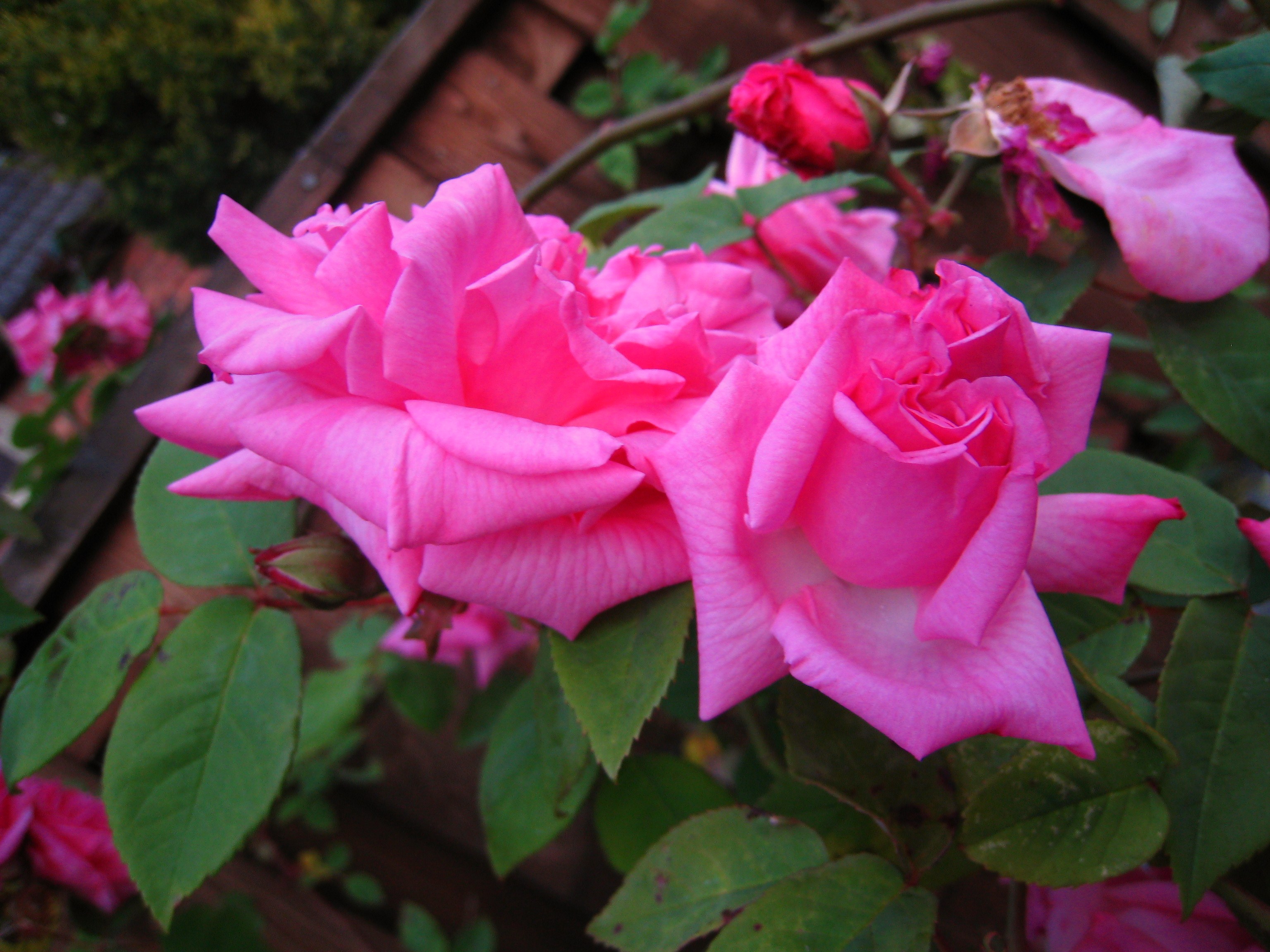
Almost every rose problem a gardener brings to an expert — fewer flowers than expected, blackspot every July, leggy growth reaching over a fence — traces back to the same root cause: light. Understanding rose light requirements matters more than fertiliser, pruning technique, or variety choice, because sunlight drives both the flowering and the leaf-drying that keeps disease at bay. This guide covers how much sun roses need, why morning sun is worth more than afternoon sun, what shade does to a rose bush, and how to choose the right garden spot[1][2].
Rose light meter
Rose light requirements in one line: full sun, at least 6 hours of direct sunlight a day, and morning sun is the most valuable kind because it dries dew off the leaves early and cuts blackspot pressure. Roses grown in shade flower far less, grow leggy, and suffer noticeably more fungal disease. Aim for an open, east-facing or south-facing bed with good airflow.
01 · THE SIMPLE ANSWER
How much sun do roses need?
Roses need full sun — a minimum of 6 hours of direct sunlight per day, and most modern garden roses do best with 6–8 hours[1][3]. Below that threshold, flowering falls off first and disease resistance follows. Six hours is the working minimum, not the target: a rose in 8 hours of sun will out-bloom the same variety in 6 hours by a wide margin.
The crucial refinement is when those hours arrive. Morning sun is the most valuable sunlight a rose can get. Overnight dew and humidity leave rose foliage wet at dawn, and wet leaves are exactly what the blackspot fungus (Diplocarpon rosae) needs to germinate and infect — it requires several continuous hours of leaf wetness to establish. Early direct sun dries the leaves quickly and shuts that window[4][5]. A bed that gets sun from 7 a.m. is meaningfully healthier than one that gets the same number of hours starting at noon.
The genus Rosa is native across the temperate Northern Hemisphere, where wild species grow in hedgerows, scrub, woodland edges and open thickets — sunny, exposed positions rather than shaded forest interiors[6][7]. Centuries of breeding for repeat flowering have only raised the light bill: continuous bloom is metabolically expensive, and the plant funds it entirely with sunlight.
02 · THE LIGHT METER
Rose light levels, from deep shade to full sun
The easiest way to think about rose light needs is a spectrum running from deep shade to open full sun. Here is where a rose wants to sit on it — the outlined band marks the ideal light conditions:
Rose light meter
Roses live at the sunny end of that band, extending a little further left than sunflowers because some tough shrub, rambler, and species roses tolerate around four to five hours of direct sun and still flower reasonably. But full sun is where roses thrive, and anything from bright indirect light leftwards produces a plant that survives without ever performing[2][8].
One useful nuance: in very hot climates, intense mid-afternoon sun can scorch petals and fade dark-coloured blooms faster, so growers in the hottest zones often prefer a site with strong morning sun and light shade after about 3 p.m. That is a heat adjustment, not a reduction in the rose's light requirement — the morning hours still have to be there.
03 · LIGHT BY GARDEN SPOT
The best garden spot for rose light
Where should you plant a rose bush? Count the direct-sun hours a spot actually receives across a full day, then match it to these categories (Northern Hemisphere — reverse the aspects for the Southern)[9]:
Full sun bed
✓ Ideal
Open ground with 6–8+ hours of direct sun, ideally including early morning. Maximum blooms, driest foliage, least blackspot.
Part shade
△ Workable
4–6 hours of direct sun. Tough shrub, rambler and species roses cope; hybrid teas bloom sparsely and pick up more disease.
Dappled shade
✗ Avoid
Filtered light under trees. Poor airflow keeps foliage wet, roots compete with tree roots, and blooms become occasional at best.
Deep shade
✗ No
North walls and enclosed corners. Roses grown here are leggy, thin-caned, effectively flowerless and chronically diseased.
Airflow belongs in the same siting decision as light. A rose planted tight against a wall or crammed between shrubs sits in still, humid air that keeps foliage damp long after a sunny open bed has dried. Give each bush room, prune to an open centre, and let both sun and breeze reach the leaves — the two together are the most effective blackspot control there is[4].

04 · TOO LITTLE LIGHT
Signs your rose needs more sun
A rose short of light tells you in four ways, and the first is almost always flowering[3][8]:
- Few or no blooms. The clearest signal of insufficient light. A healthy-looking rose bush covered in leaves but producing only a handful of flowers is nearly always shaded, not underfed.
- Leggy canes reaching toward the light. Long, thin, sparsely leafed stems that lean or stretch in one direction, with bare bases and all the growth at the top.
- Persistent blackspot and mildew. Shade keeps foliage wet for hours longer each morning, and blackspot needs that continuous leaf wetness to infect. Chronic defoliation by midsummer is a light-and-airflow problem as much as a fungal one.
- Weak new growth and poor winter survival. Shaded roses store fewer carbohydrates, producing spindly spring growth and less resilience through cold winters.
Unlike an annual, a rose is a long-lived shrub — which means a badly sited one is worth moving. Transplant during dormancy in late autumn or early spring, cut the top growth back hard, and give it the sunny position it needed from the start.

05 · TOO MUCH SUN & HEAT
Can roses get too much sun?
In temperate gardens, essentially no. In hot, arid climates, intense afternoon sun combined with heat and dry soil can cause visible stress — though it is heat, not light, doing the damage[10]:
- Faded, bleached petals. Deep reds, purples and rich pinks lose colour fastest under fierce afternoon sun, and blooms open and blow over in a day or two rather than lasting a week.
- Scorched petal edges and crisped leaf margins. Papery brown edges on the outer petals and leaf tips after a heatwave, especially on container-grown roses where the root zone overheats.
- Smaller flowers and shorter bloom cycles. Extreme heat pushes roses to open buds quickly and rest between flushes, so flowers are smaller and repeat bloom pauses through the hottest weeks.
- Wilting despite regular watering. Reflected heat from paving, gravel or south-facing walls raises demand beyond what shallow watering can meet — deepen the soak and mulch the root zone.
The fix in hot climates is not less sun overall but a better distribution of it: full morning sun, some relief after mid-afternoon, a thick mulch layer, and deep root-zone watering. In cool and temperate regions, give roses every hour of sun you can.
06 · LIGHT & BLOOMING
How light controls rose blooming
Flowering is the most light-hungry thing a rose does. Buds, petals, and repeat flushes are all built from photosynthate the plant manufactures in its leaves, so bloom count tracks accumulated sunlight almost linearly across the useful range. This is why the same variety planted in 8 hours of sun and in 4 hours of sun can look like two different plants: one covered in flowers, the other producing a token flush in June and little else[11].
Repeat-flowering types are the most demanding of all. Hybrid teas, floribundas and modern English shrub roses are bred to bloom in successive flushes from early summer to autumn, and every flush has to be paid for. Once-flowering old garden roses, ramblers and many species roses are comparatively relaxed — they concentrate one big display and are the group most likely to give a decent showing in part shade.
Light also shapes bloom colour and substance. Petals develop richer pigment and better substance in strong light, though very intense heat fades dark colours quickly once open. And light drives the disease side of blooming too: sun-dried foliage means fewer blackspot lesions, which means the plant keeps its leaves, which means more photosynthesis and more flowers — a virtuous circle that starts with siting[5].

07 · CONTAINERS & NEW PLANTS
Light for container roses and new plantings
Container roses have the same light requirements as bed-grown roses — 6+ hours of direct sun, morning preferred — with one practical advantage: you can move the pot. Use that. Track the sun across your patio for a day, park the container where the morning light lands first, and shift it seasonally as the sun angle changes. Patio and miniature roses are bred for pots, but even they will sulk in a shaded corner[12].
The trade-off is water. A rose in a container in full sun dries out dramatically faster than one in the ground, where roots can range for moisture. Use a large pot (a minimum of 12–15 inches across and deep for a shrub rose), mulch the surface, and never let the root ball dry to the point of wilting — drought stress in full sun is the fastest route to bud drop and a stalled bloom cycle.
Newly planted bare-root or containerised roses also need help through their first summer. Their roots have not yet reached the soil moisture that sustains an established bush, so a full-sun position is right but must be paired with regular deep watering until the plant is settled — usually the first full growing season.
08 · LIGHT & WATERING
Match watering to your rose's sun exposure
Light and water work together for roses, and the watering method matters as much for disease as the siting does. A rose in a full-sun bed transpires heavily and needs deep, regular soakings — but always applied at the base, never over the foliage, because the wet leaves that morning sun is meant to dry are the same leaves an overhead sprinkler soaks. Sunny site plus base watering plus mulch is the complete package. For the full schedule and technique, see our guide to watering roses, or the quick reference on how often to water roses.
ACQUA OLLA
Full sun means thirsty roses — deliver water at the root zone in garden beds and large containers, and keep the foliage dry.
Shop Acqua Olla →To sum up the rose light requirements: full sun with at least 6 hours of direct light, weighted toward the morning so foliage dries early and blackspot has no foothold. Treat shade as the cause of both poor flowering and chronic disease, give each bush open air as well as open sky, and in hot climates trade only the fiercest afternoon hours for light shade. Related reading: watering roses: a complete guide.
Frequently asked questions about rose light
How much sun do roses need?
Roses need full sun — at least 6 hours of direct sunlight a day, with 6–8 hours ideal for most modern garden roses. Morning sun is the most valuable because it dries dew off the foliage early.
Can roses grow in shade?
Poorly. Tough shrub, rambler and species roses tolerate 4–6 hours of sun and will flower modestly, but hybrid teas and floribundas in shade produce few blooms, leggy canes, and much more blackspot.
Why is morning sun best for roses?
Blackspot needs several continuous hours of leaf wetness to infect. Early direct sun dries overnight dew off the leaves quickly and closes that window, so a bed that catches the sun from dawn is healthier than one that only gets afternoon light.
Why is my rose not blooming?
Insufficient sunlight is the most common cause. A leafy rose bush with very few flowers is usually shaded — count the direct-sun hours it actually gets, and move it during dormancy if it is under six.
Does shade cause blackspot on roses?
It strongly encourages it. Shaded, still, humid positions keep rose foliage wet for hours, which is exactly what the blackspot fungus needs. Full sun plus good airflow is the most effective cultural control.
Can roses get too much sun?
Rarely in temperate gardens. In very hot climates, fierce afternoon sun fades dark blooms and scorches petal edges, so growers there favour full morning sun with light shade after mid-afternoon plus deep watering and mulch.
Do roses in full sun need more water?
Yes. More sun means more transpiration, so full-sun roses need deep soakings of roughly 1–2 inches a week — applied at the base, never overhead, so the foliage the sun dries stays dry.
References
- [1] Royal Horticultural Society. (n.d.). Roses: choosing and planting / RHS Gardening. rhs.org.uk.
- [2] Missouri Botanical Garden. (n.d.). Rosa — Plant Finder. missouribotanicalgarden.org.
- [3] University of Minnesota Extension. (2022). Growing roses in the home garden. extension.umn.edu.
- [4] Clemson Cooperative Extension. (n.d.). Rose diseases. Home & Garden Information Center. hgic.clemson.edu.
- [5] Horst, R.K., & Cloyd, R.A. (2007). Compendium of Rose Diseases and Pests, 2nd ed. APS Press.
- [6] Royal Botanic Gardens, Kew. (n.d.). Rosa L. Plants of the World Online. powo.science.kew.org.
- [7] USDA, Agricultural Research Service. (2023). GRIN Taxonomy: Rosa. npgsweb.ars-grin.gov.
- [8] North Carolina State Extension. (n.d.). Rosa. NC Extension Gardener Plant Toolbox. plants.ces.ncsu.edu.
- [9] Penn State Extension. (2021). Roses in the home garden: site selection. extension.psu.edu.
- [10] University of Florida IFAS Extension. (2020). Roses for Florida gardens. Gardening Solutions. gardeningsolutions.ifas.ufl.edu.
- [11] Taiz, L., & Zeiger, E. (2010). Plant Physiology, 5th ed. Sinauer Associates.
- [12] University of Wisconsin–Madison Division of Extension. (n.d.). Roses, Rosa spp. hort.extension.wisc.edu.
- [13] Michigan State University Extension. (n.d.). Growing and caring for roses. canr.msu.edu.
- [14] Lambers, H., Chapin, F.S., & Pons, T.L. (2008). Plant Physiological Ecology, 2nd ed. Springer.
- [15] ASPCA. (n.d.). Rose (Rosa species) — non-toxic to dogs, cats and horses. Animal Poison Control. aspca.org.