

How Often to Water Roses
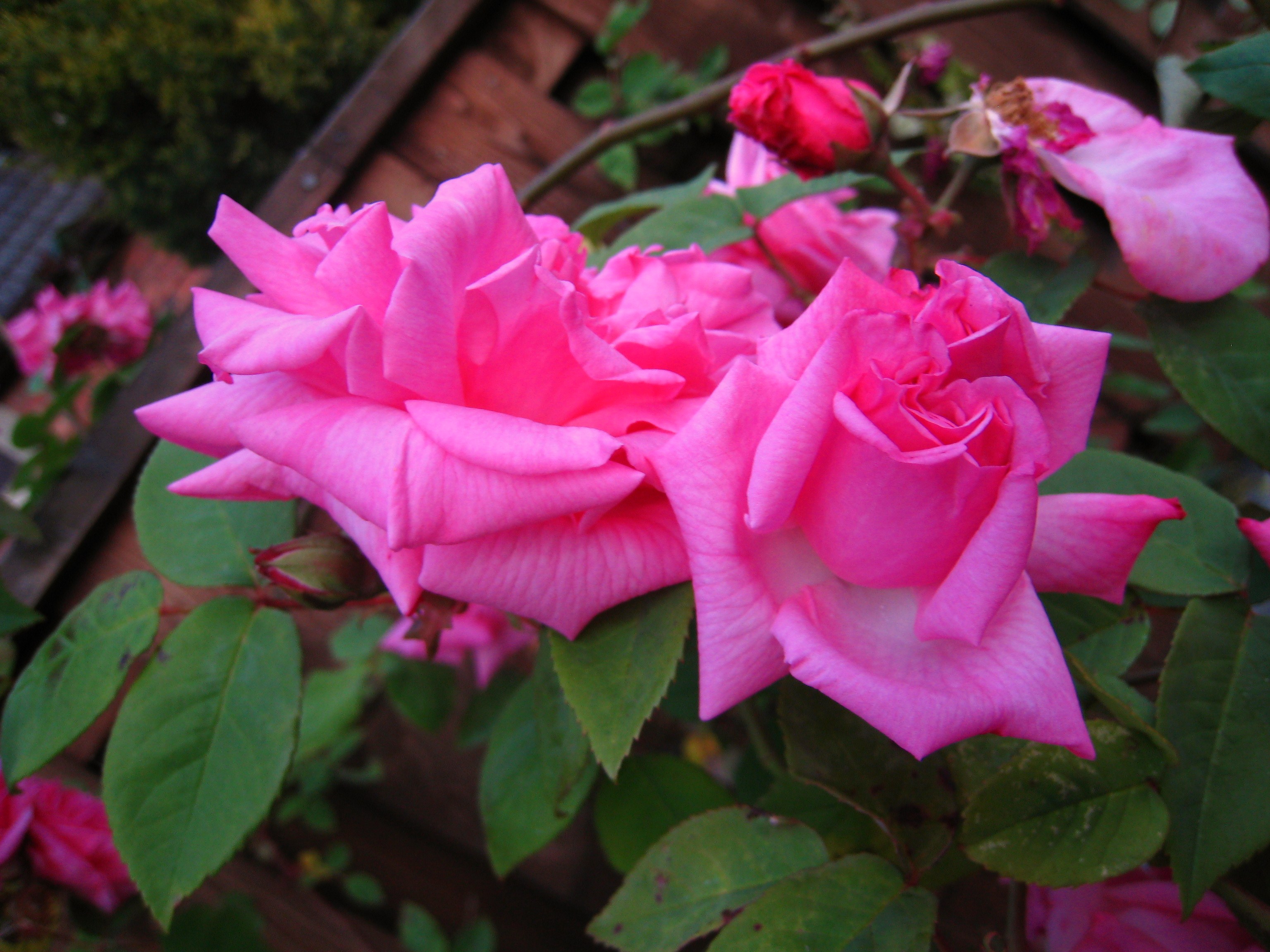
Roses (Rosa spp.) are among the most rewarding and most demanding plants in the garden. Their reputation for being difficult is largely about watering: roses need deep consistent moisture during the growing season but suffer from chronic over-watering and wet foliage[1][2]. This guide tells you exactly how often to water roses based on horticultural research, what changes the schedule for different rose types, and the methods that produce the healthiest plants and longest bloom seasons.
Water established roses deeply every 5–7 days during the growing season — approximately 1 inch of water per week. Newly planted roses need more frequent watering (every 2–3 days for the first month). Container roses dry faster and need watering every 2–4 days. Always water at the base, never the leaves.
01 · THE SIMPLE ANSWER
How often to water roses
Established garden roses need approximately 1 inch of water per week during the growing season, ideally delivered as one deep watering every 5–7 days rather than daily light sprinkles[1][3].
Newly planted roses — first season after planting — need substantially more frequent watering while their root systems establish. Plan on deep watering every 2–3 days for the first month, then transitioning to every 5–7 days as the plant settles in[2]. Container roses dry faster and may need watering every 2–4 days in summer heat.
The single most important rose watering principle is depth. Shallow daily watering encourages shallow roots that suffer in heat and drought; deep weekly watering encourages roots to grow downward where they access stable moisture[4].
02 · THE BOTANY
Why roses want deep weekly watering
Roses produce flowers continuously through summer, requiring continuous photosynthesis and water supply to support both growth and bloom[5]. A repeat-flowering rose like a hybrid tea or floribunda produces multiple bloom cycles, each metabolically expensive.
The rose root system, when properly developed, extends 18–24 inches downward. This deep system buffers drought but only if the soil has been kept moist deeply enough to encourage downward root growth[6]. Shallow daily watering wastes water on surface evaporation and encourages roots to stay near the surface.
Rose foliage is unusually disease-susceptible. Black spot, powdery mildew, and rose rust all spread on wet leaves[7][8]. This is why rose watering is always at the base of the plant, never overhead. Drip irrigation, soaker hoses, watering wands aimed at soil level, and olla irrigation all work; sprinklers should be avoided.
03 · SEASONAL SCHEDULE
Rose watering schedule by season
Rose water needs vary substantially across the year, with peak demand in summer bloom and minimal demand during winter dormancy[1][3].
01 · Spring (Mar–May)
Every 5–7 days
Growth resumes from dormancy. New foliage emerges and water demand rises.
02 · Summer (Jun–Aug)
Every 4–7 days
Peak bloom season. Hot weeks may require additional watering.
03 · Fall (Sep–Nov)
Every 7–14 days
Growth slows. Reduce watering gradually to help roses harden off for winter.
04 · Winter (Dec–Feb)
Rarely or never
Dormant roses need little water. Mild winter climates may need occasional deep watering.
04 · FACTORS THAT MATTER
Six factors that change how often you water roses
New vs. established plant: First-year roses need watering every 2–3 days for the first month. Established roses (year 2+) follow the every 5–7 day schedule.
Rose type: Hybrid teas, grandifloras, and floribundas follow similar schedules. Climbing roses and shrub roses tolerate slightly more drought once established. Knockout roses are notably more drought-tolerant and may go 7–10 days between waterings.
Container vs. in-ground: Container roses dry substantially faster — every 2–4 days in summer. In-ground roses with established roots may go 7–10 days.
Mulching: 2–3 inches of mulch reduces water demand by 30–50%[9].
Weather: Hot dry windy weather can double water demand. Rainfall of 1 inch substitutes for a deep watering.
Soil type: Sandy soils require more frequent watering. Loam holds moisture moderately. Clay soils retain water longer but can cause root rot if drainage is poor.
05 · UNDERWATERING SIGNS
Signs your roses need water
Roses give clear early thirst signals.[10]
- Leaves wilt or droop noticeably. Earliest visible thirst sign. Roses recover from mild wilt within hours of deep watering.
- Bud blast — flower buds shrivel before opening. Underwatered roses sacrifice flower buds to conserve water. Resuming proper watering returns the plant to normal bloom within weeks.
- Lower leaves yellow and drop. The plant sacrifices oldest leaves first under drought. Different from black spot leaf drop.
- Slow new growth and fewer blooms. Chronic mild drought reduces both growth rate and flower production.
06 · OVERWATERING SIGNS
Signs you’ve overwatered your roses
Roses suffer from overwatering through root rot and through fungal disease promoted by wet foliage.[11][12]
- Yellow leaves throughout the plant. Different from underwatering yellowing (lower leaves first). Yellow leaves throughout signal root damage.
- Black spot disease on foliage. Dark spots ringed with yellow on leaves. Symptom of inadequate watering technique (overhead vs. base).
- Persistent soil sogginess. Soil that stays wet for over a week between waterings indicates poor drainage.
- Mushy crown or canes near soil. Crown rot from chronic moisture. Often unrecoverable once visible.
07 · THE METHOD
How to actually water roses
Water at the base of the plant, never on foliage[7]. Watering can with the rose removed, soaker hose along the base, drip irrigation, and olla irrigation all work.
Aim for 2–5 gallons per established plant per deep watering. Smaller hybrid teas: 2–3 gallons. Mature shrub roses or climbers: 4–5 gallons[3].
Water in the morning. Morning watering lets any wet foliage dry quickly, reducing fungal disease risk.
Olla irrigation works exceptionally well for rose beds because the release is at the root zone without wetting foliage. See best plants for olla irrigation, using ollas in raised beds — complete setup guide, and ollas for hot weather and arid climates for hot climate setup.
08 · AWAY FROM HOME
Watering your roses while you’re away
Established roses tolerate brief absences (3–5 days) well if deeply watered before departure and properly mulched. Longer trips during peak summer require additional measures — either drip irrigation on a timer or olla irrigation. Newly planted roses need a sitter for any absence longer than 3 days.
For ollas in hot climates, rose beds are exceptionally well-suited because deep slow release matches what roses prefer[13]. See ollas for hot weather and arid climates and what is an olla.
The most common rose vacation watering mistake: setting up overhead sprinklers on a timer. Wet foliage during your absence often produces a black spot outbreak. Base-level irrigation only.
ACQUA OLLA
Deep base-level watering for roses — without the disease risk of overhead sprinklers.
Shop Acqua Olla →Rose watering is fundamentally about depth and consistency: 1 inch per week, delivered as a single deep watering rather than daily light sprinkles, always at the base. Mulch heavily, water in the morning, and use olla irrigation if you can. For broader olla education, see best plants for olla irrigation. For hot climates, see ollas for hot weather and arid climates.
Frequently asked questions
How often should I water roses?
Established roses need deep watering every 5–7 days during the growing season — approximately 1 inch per week. Newly planted roses need watering every 2–3 days for the first month.
How do I know when my roses need water?
Stick a finger 3 inches into the soil at the drip line. If dry, water deeply. Wilted leaves and shriveled flower buds also indicate drought stress.
How often to water roses in summer?
Deep watering every 4–7 days during peak summer bloom. Hot dry weeks may require additional watering.
How often to water roses in pots?
Container roses dry faster than in-ground plants. Water every 2–4 days in summer heat. Check soil moisture daily during peak summer.
How much water do roses need?
Approximately 1 inch of water per week, delivered as 2–5 gallons per deep watering depending on plant size.
How often to water newly planted roses?
Every 2–3 days for the first month, then transition to every 5–7 days as the plant establishes.
Should I water roses overhead or at the base?
Always at the base, never overhead. Wet rose foliage promotes black spot, powdery mildew, and other fungal diseases.
Should I water knockout roses less than hybrid teas?
Slightly — knockout roses are more drought-tolerant once established and may go 7–10 days between waterings.
References
- [1] American Rose Society. (2020). The Modern Encyclopedia of Roses. American Rose Society.
- [2] Royal Horticultural Society. (n.d.). Rose growing / RHS Gardening. rhs.org.uk.
- [3] Cabrera, R.I. (2003). Mineral nutrition and water requirements of rose plants. HortScience, 38(7), 1450–1462.
- [4] Niu, G., et al. (2006). Salinity and growing medium regulate growth, morphology, and ion uptake. HortScience, 41(7), 1740–1745.
- [5] Quest-Ritson, C., & Quest-Ritson, B. (2003). The American Rose Society Encyclopedia of Roses. DK Publishing.
- [6] Texas A&M AgriLife Extension. (2019). Rose growing in Texas. aggie-horticulture.tamu.edu.
- [7] Penn State Extension. (2020). Rose Diseases. extension.psu.edu.
- [8] UC IPM. (2019). Pest Management Guidelines: Roses. ipm.ucanr.edu.
- [9] Bot, A., & Benites, J. (2005). The Importance of Soil Organic Matter. FAO Soils Bulletin 80.
- [10] University of Minnesota Extension. (2021). Growing roses in cold climates. extension.umn.edu.
- [11] Daughtrey, M.L., & Benson, D.M. (2005). Principles of plant health management. Annual Review of Phytopathology, 43, 141–169.
- [12] Horst, R.K., & Cloyd, R.A. (2007). Compendium of Rose Diseases and Pests, 2nd ed. APS Press.
- [13] Bainbridge, D.A. (2001). Buried clay pot irrigation. Agricultural Water Management, 48(2), 79–88.
- [14] Cornell Cooperative Extension. (2020). Roses for the Home Garden. cce.cornell.edu.
- [15] Royal Botanic Gardens, Kew. (n.d.). Rosa — Plants of the World Online. powo.science.kew.org.