

Poinsettia Light Requirements: A Guide to Light — and Darkness — for Red Bracts
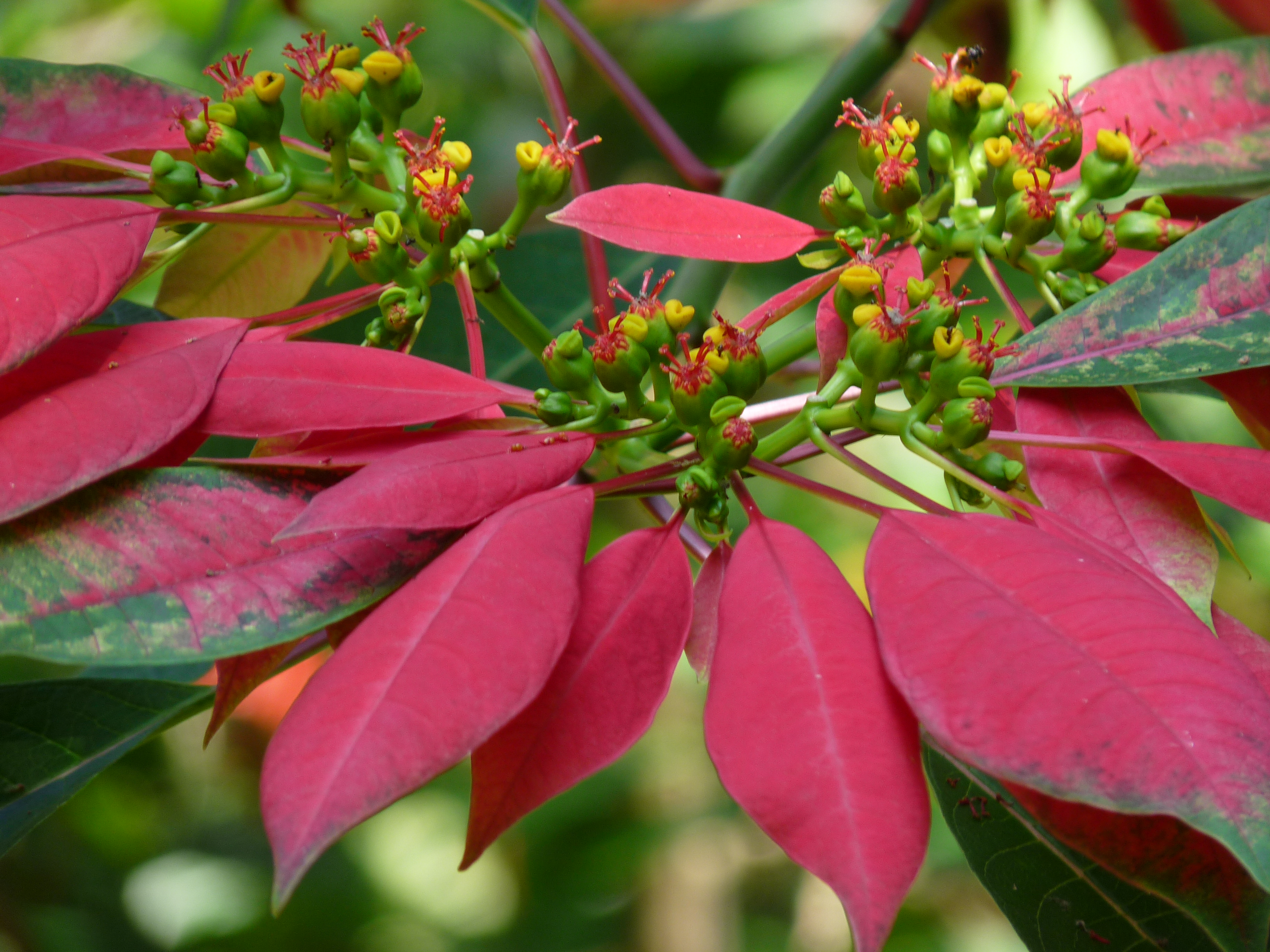
Understanding poinsettia light requirements means understanding two things at once: how much bright light the plant needs by day, and how much complete darkness it needs by night. Poinsettia (Euphorbia pulcherrima) holds its famous red bracts only in bright light, but the reason those bracts turn red in the first place is a strict nighttime dark period. This guide covers exactly how much light a poinsettia needs, the light levels it prefers, the crucial darkness that drives re-coloring, and where to place it for the light conditions it actually wants[1][2].
Poinsettia light meter
Poinsettia light requirements in one line: bright light — at least 6 hours a day near a sunny window — keeps the red bracts vivid and the plant healthy. But poinsettia is a short-day plant: to re-color, it needs about 14 hours of uninterrupted darkness every night for several weeks in fall. It is a story of light and darkness together.
01 · THE SIMPLE ANSWER
How much light does a poinsettia need?
A poinsettia needs bright light for at least 6 hours a day — ideally the direct or bright indirect light right beside a sunny east-, south-, or west-facing window[1][3]. That bright light is what keeps the colorful bracts saturated and the plant vigorous through the holiday season. Unlike many houseplants, poinsettia enjoys some direct sun indoors in winter, when the light is weak; too little light and the bracts fade, drop, and the plant declines. But bright daytime light is only half the story. Poinsettia is a classic short-day plant, which means its bracts only turn red in response to long nights — so darkness is just as important as light.
The reason poinsettia is so light-and-dark sensitive comes from its origin. Euphorbia pulcherrima is a shrub from the seasonally dry forests of Mexico and Central America, where it naturally colors up as the days shorten toward winter[4]. That built-in response to lengthening nights is exactly what growers — and anyone trying to re-bloom a poinsettia at home — have to work with.
02 · THE LIGHT METER
Poinsettia light levels, from deep shade to full sun
The easiest way to think about poinsettia light needs is a spectrum. Here is where a poinsettia wants to sit on it — the outlined band marks the ideal daytime light conditions:
Poinsettia light meter
A poinsettia sits toward the brighter end of that band — further right than most houseplants. It thrives in bright indirect to some direct light and wants a genuinely sunny spot, especially in low winter light[2][5]. It struggles in low light and deep shade, where the bracts fade and leaves drop, and only very intense, hot summer glass can push it too far. If you remember one thing about poinsettia daytime lighting, make it this: give it the brightest window you have.
03 · LIGHT BY WINDOW
The best window and placement for poinsettia light
Which window gives the right light for a poinsettia? Window direction is the fastest way to estimate the light conditions a spot provides (for the Northern Hemisphere — reverse for the Southern)[6]:
South window
✓ Ideal
The brightest light in the home. In weak winter light this is the best poinsettia placement for vivid bracts — 6+ hours of bright light a day.
East window
✓ Good
Bright morning sun plus good indirect light. A strong choice; make sure it stays bright through the day.
West window
✓ Good
Bright afternoon light suits a poinsettia in winter. Just keep it clear of cold drafts off the glass.
North window
△ Too dim
Steady but low indirect light — usually too dim to hold bract color well. The bracts fade and leaves may drop.

Distance from the glass matters as much as direction. Light falls off fast indoors, and winter light is already weak, so keep a poinsettia right at the bright window rather than back in the room. Do watch for one thing: avoid letting the foliage press against freezing glass, which can cold-damage leaves even in a bright spot.
04 · TOO LITTLE LIGHT
Signs your poinsettia needs more light
Poinsettia is quick to complain about too little light, especially in a dim winter room[7]:
- Fading, dulling bracts. The vivid red, pink, or white bracts lose their intensity in low light — the clearest sign a poinsettia needs a brighter spot.
- Dropping lower leaves. Green leaves yellow and fall from the bottom up when light is too low — a common decline in a dim corner far from a window.
- Leggy, stretching stems. Stems elongate and lean toward the nearest light source, leaving a sparse, floppy plant instead of a compact one.
- Soggy soil that never dries. Low light slows water use, so the mix stays wet longer and root rot — a top poinsettia killer — sets in. Light and watering are linked.

05 · TOO MUCH LIGHT
Signs your poinsettia is getting too much light
Too much light is rarely a problem for a holiday poinsettia in low winter light, but if a plant is kept into summer behind hot glass, intense direct sun can push it too far[5]:
- Scorched or bleached leaves. Pale, crispy tan spots where hot summer sun through glass has burned the leaf surface — permanent on affected leaves.
- Washed-out, yellowing foliage. Whole leaves look faded and yellow-green rather than deep green, as too-intense light degrades chlorophyll.
- Wilting and very fast drying. In strong direct summer sun the plant loses water faster than it can take it up, so it wilts and the soil dries out quickly.
- Dry, brown leaf edges. A combination of too much direct light and the low humidity of a hot, sunny window.
The fix is simple: in summer, move the plant back from hot glass or filter the window with a sheer curtain to soften the direct sun into bright, indirect light. During the winter holiday season, though, the far more common problem is too little light, not too much.
06 · LIGHT, DARKNESS & RED BRACTS
How darkness (not just light) turns poinsettia bracts red
Here is the twist that makes poinsettia unique among houseplants: the red bracts are triggered by long nights, not bright days. Poinsettia is a short-day (really, long-night) plant. To switch from green to color, it needs about 14 hours of complete, uninterrupted darkness every night for roughly 8–10 weeks, starting in early fall — paired with bright light during the daytime hours in between[2][8]. The bracts are actually modified leaves, and the pigments that redden them (anthocyanins) form only once the plant has counted enough long nights.
The catch is that the darkness has to be total. Even a brief burst of light at night — a lamp switched on, a streetlight through the window, the glow of a television — can interrupt the dark period and stop the bracts from coloring. This is why the practical routine is to give the plant a bright, sunny window for 6–8 hours by day, then move it into a truly dark closet or cover it with a box from evening until morning, for weeks on end. Miss the darkness and the plant stays green no matter how much daytime light it gets.

So the full picture is a partnership of light and darkness: bright daytime light powers the plant and holds the color once it forms, while long, unbroken nights are what tell the bracts to turn red in the first place. Once the bracts have colored up for the holidays, you can stop the dark treatment and simply keep the plant in a bright window to enjoy the display.
07 · GROW LIGHTS
Grow lights and low-light rooms
If your home lacks a bright winter window, a grow light helps a poinsettia hold its bracts and stay healthy. Poinsettia responds well to a standard LED grow light run about 6–8 hours a day, positioned 12–24 inches above the foliage[6][9]. There is one crucial caveat that follows from the short-day rule: during the fall re-coloring window, a grow light must be on the same short-day schedule and kept off through the long dark night — leaving any light on overnight will prevent the bracts from turning red.
Poinsettia is a bright-light plant, unlike many easygoing shade lovers — see our roundup of best plants for low-light apartments for options that tolerate the dim rooms a poinsettia would sulk in.
08 · LIGHT & WATERING
Match watering to your poinsettia light level
Light and water are two halves of the same equation. A poinsettia in bright light photosynthesizes faster, uses more water, and dries out sooner; the same plant in low light uses far less and stays wet longer — and soggy soil is a leading cause of poinsettia loss. Get the light right and watering gets easier — for the full schedule see how often to water a poinsettia, and before a trip, how to water a poinsettia while away keeps light and moisture in balance.
ACQUATERRA
Bright light speeds a poinsettia through its water — keep moisture steady, never soggy, with a terracotta spike.
Shop AcquaTerra →To sum up the poinsettia light requirements: give it bright light for at least 6 hours a day at a sunny window to hold its red bracts, and if you want it to re-color, add about 14 hours of uninterrupted darkness every night for weeks in fall. It is the rare houseplant where light and darkness both matter. Match the light to a sunny window, protect it from summer scorch, and manage the dark period carefully. Related reading: how often to water a poinsettia and how to water a poinsettia while away.
Frequently asked questions about poinsettia light
How much light does a poinsettia need?
Poinsettia light requirements center on bright light for at least 6 hours a day near a sunny window. That bright light holds the red bracts and keeps the plant healthy. In weak winter light, some direct sun indoors is welcome.
How do I get my poinsettia to turn red again?
Poinsettia is a short-day plant: it needs about 14 hours of complete, uninterrupted darkness every night for roughly 8–10 weeks in fall, plus bright light by day. Even a brief light at night can stop the bracts from re-coloring.
Can a poinsettia take direct sunlight?
Yes, more than most houseplants — some direct sun at a sunny window is good in low winter light. The main risk is hot summer sun through glass, which can scorch the leaves; filter or set back the plant then.
Why is my poinsettia dropping leaves?
Too little light is a common cause — lower leaves yellow and drop in a dim spot. Cold drafts and soggy soil also trigger leaf drop. Move it to a bright window and keep it out of cold and wet.
What window is best for a poinsettia?
A south-facing window is ideal in winter — the brightest light in the home. East and west windows are good too. Avoid dim north windows, where the bracts fade and leaves may drop.
Do poinsettias need a grow light?
In a dim room, a grow light run 6–8 hours a day, 12–24 inches above the plant, helps hold bract color. During the fall re-coloring period, keep the light off through the long night so the darkness stays unbroken.
Does more light mean more water for a poinsettia?
Yes. A poinsettia in bright light uses water faster and dries out sooner, while the same plant in low light stays wet longer, which invites root rot. Always match your watering to the plant's actual light level.
References
- [1] Missouri Botanical Garden. (n.d.). Euphorbia pulcherrima — Plant Finder. missouribotanicalgarden.org.
- [2] University of Minnesota Extension. (2022). Lighting for indoor plants and starting seeds; poinsettia care. extension.umn.edu.
- [3] University of Florida IFAS Extension. (2021). Light for houseplants. Gardening Solutions. gardeningsolutions.ifas.ufl.edu.
- [4] Royal Botanic Gardens, Kew. (n.d.). Euphorbia pulcherrima Willd. ex Klotzsch. Plants of the World Online. powo.science.kew.org.
- [5] Clemson Cooperative Extension. (n.d.). Poinsettia / Indoor plant light. Home & Garden Information Center. hgic.clemson.edu.
- [6] Royal Horticultural Society. (n.d.). Euphorbia pulcherrima / RHS Gardening. rhs.org.uk.
- [7] Penn State Extension. (2020). Poinsettias: selection and care. extension.psu.edu.
- [8] Taiz, L., & Zeiger, E. (2010). Plant Physiology, 5th ed. (photoperiodism and flowering). Sinauer Associates.
- [9] North Carolina State Extension. (n.d.). Euphorbia pulcherrima. plants.ces.ncsu.edu.
- [10] University of Wisconsin–Madison Division of Extension. (n.d.). Poinsettia, Euphorbia pulcherrima; reflowering. hort.extension.wisc.edu.
- [11] Lambers, H., Chapin, F.S., & Pons, T.L. (2008). Plant Physiological Ecology, 2nd ed. Springer.
- [12] USDA, Agricultural Research Service. (2023). GRIN: Euphorbia pulcherrima. npgsweb.ars-grin.gov.
- [13] Michigan State University Extension. (n.d.). Poinsettia care and reflowering with short days. canr.msu.edu.
- [14] ASPCA. (n.d.). Poinsettia (Euphorbia pulcherrima) — mildly toxic to pets. aspca.org.
- [15] Ecke, P., Faust, J.E., Higgins, A., & Williams, J. (2004). The Poinsettia Manual, 3rd ed. Paul Ecke Ranch.