

Aphelandra Vacation Care: Watering a Zebra Plant While Away
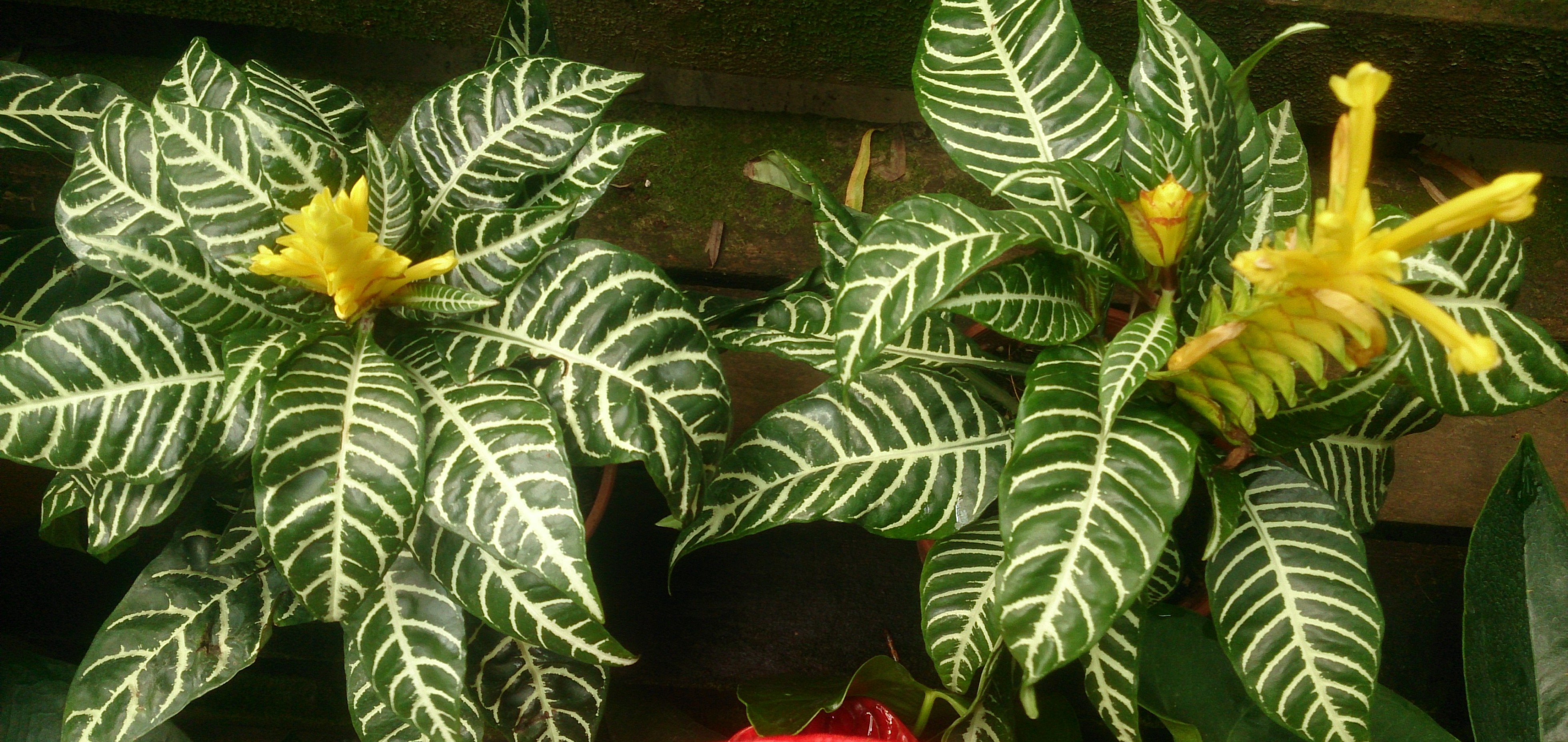
An Aphelandra (Aphelandra squarrosa) is not the plant you want to gamble on when you leave town. This rainforest tropical — better known as the zebra plant — drinks quickly, faints the moment its soil dries, and browns at the leaf edges whenever the air turns dry[1][2]. Left to fend for itself, it can go from lush to collapsed over a single warm week. But the same plant sails through a holiday with a bit of planning: slow its water use, keep the air humid, and set up a reservoir that drips moisture in as the soil dries, and watering an Aphelandra while away becomes far less fraught. This guide covers exactly how to water an Aphelandra while away, matched to how long your trip runs.
One quick clarification: the name “zebra plant” is shared with a spiky succulent (Haworthiopsis fasciata) and with Calathea zebrina. This article is strictly about Aphelandra squarrosa. A succulent zebra plant tolerates weeks of drought; an Aphelandra does not.
For a weekend, water your Aphelandra thoroughly the morning you leave and pull it back from bright windows. For a week, add a filled AcquaTerra terracotta spike, cluster plants for humidity, and lower its light. For two to three weeks, combine a spike with a bigger reservoir and a mid-trip top-up from a friend. A month calls for a plant sitter. In every case the twin goals are constant soil moisture and humid air.
01 · THE SIMPLE ANSWER
How long will an Aphelandra last unattended?
In an average room an Aphelandra begins to droop after about 4–6 days without water and risks lasting leaf damage beyond a week[1][3]. That is a shorter safety margin than most tropicals allow, which is precisely why a leave-it-and-hope approach fails here. Pot size, light, warmth, and household humidity all shift that window — a small plant in a bright, warm, dry room can wilt in three days, while a larger one in a cool, shaded, humid spot may hold out a week.
So the practical rule is simple: a long weekend is usually survivable on one good soak, but anything from a week upward needs passive watering. And the fix is never to drown the pot before leaving — that just trades wilting for root rot. Instead you slow how fast the plant uses water and let a reservoir replenish it gradually. Put simply, watering an Aphelandra while away means easing its thirst, not drowning the pot before you go.

02 · THE BOTANY
Why an Aphelandra is a poor candidate for neglect
The plant’s rainforest origins explain its fragility on the road. Native to the perpetually damp, shaded Atlantic forests of Brazil, it never evolved to ride out a dry spell[4]. Its large, thin leaves hold themselves out by turgor — internal water pressure — and store almost none of their own, so when the roots run dry the leaves slump within hours[5]. That is the opposite of a succulent’s water-banking strategy, and it is why the Aphelandra cannot coast through an unwatered week.
Knowing the biology tells you what levers to pull. The plant loses water on two fronts: evaporation from the soil surface and transpiration through the leaves. Every good prep step targets one of them — cutting light and warmth slows transpiration, while raising humidity and mulching the surface slow evaporation[6]. Reduce the losses and a modest reservoir stretches surprisingly far.
Humidity deserves its own emphasis. Even with the soil kept perfectly moist, dry indoor air pulls water from the thin leaves faster than the roots can resupply, and the margins scorch[7]. That is why the quality of your return — crisp foliage versus brown-edged — often comes down to a pebble tray or a timed humidifier rather than the watering itself.
03 · TRIP-LENGTH PLAN
Matching your setup to how long you’ll be gone
The longer the absence, the less you can lean on a single pre-trip soak and the more you rely on a reservoir — and eventually a person[2][8].
01 · Weekend (2–3 days)
Soak & shade
Water thoroughly the morning you leave and move it out of direct light. Most homes need nothing more.
02 · One week (5–7 days)
Spike + cluster
Insert a filled AcquaTerra spike, group your plants for humidity, and dim the light to slow water use.
03 · Two–three weeks
Big reservoir + check-in
Pair the spike with a larger reservoir or wick system, and ask someone to refill it once partway through.
04 · A month or more
Get a sitter
No passive rig safely covers a month for this plant. Line up a sitter and leave a spike in place as insurance.
04 · FACTORS THAT MATTER
Six things that decide how well your Aphelandra copes
Humidity during your absence: The biggest determinant of how the plant looks when you return. Dry air scorches the leaf edges even with moist soil, so a pebble tray, clustered plants, or a timed humidifier does more than any amount of extra water.
Light exposure: Strong light accelerates transpiration and empties the pot fast. Nudging the plant back from the window into bright shade buys extra days — but never relocate it into brighter light, which only speeds drying.
Indoor temperature: Warm rooms drive faster water use; a cooler house (still above 60°F) slows it. If you drop the thermostat while away, your Aphelandra will sip more slowly — just keep it clear of cold drafts.
Pot size and material: A larger or glazed pot buffers a longer trip, while a small terracotta one dries out quickest. If your Aphelandra lives in a little clay pot, plan for a reservoir even on shorter breaks.
Moisture level at departure: Leave with an evenly moist — not saturated — rootball. Watering fully and letting all the excess drain gives the biggest safe reserve without leaving roots standing in water.
The plant’s size and health: A large, leafy Aphelandra transpires more and drains its pot faster, though a vigorous, deep-rooted plant also handles a passive reservoir better. A stressed or recently repotted plant is more fragile — give it extra margin or a sitter.
05 · UNDERWATERING SIGNS
What a dried-out Aphelandra looks like on your return
If your reservoir ran dry, you’ll walk in to the classic drought picture — most of it fixable if you move quickly.[10]
- Collapsed, curled leaves. The plant will be limp with edges rolled inward. Water it deeply straight away; if the roots are sound, it usually stands back up within hours.
- Scorched, brittle edges. A telltale that both soil and air dried out. The damage on those leaves is permanent, but new growth emerges clean once the plant recovers.
- Shed lower leaves. A badly dried Aphelandra drops its oldest leaves, leaving bare stems. Cut leggy growth back in spring to encourage a fuller, bushier plant.
- Mix pulled away from the pot. Bone-dry soil shrinks and repels water. Bottom-soak the whole pot in a basin for 30–45 minutes to rewet the rootball thoroughly.
06 · OVERWATERING SIGNS
The flip side: a drowned pot or an over-zealous sitter
The other common vacation failure is too much water — either from soaking the pot “to be safe” before leaving, or from a sitter who waters on a fixed day regardless of the soil. Both keep the roots drowning and set up rot.[11][12]
- Wilting despite wet soil. The classic trap — it looks thirsty but the roots are rotting and can’t take up water. Instruct any sitter: if the soil feels wet, do not add water.
- Widespread yellowing with a soft base. Broad yellowing plus a mushy, dark stem near the soil points to rot from constant sogginess. Unpot and inspect the roots.
- Water pooling in the cache pot. A decorative outer pot with no drainage traps runoff and drowns the roots. Remove the plant from any cache pot, or empty it, before you go.
- Fungus gnats swarming on return. A cloud of tiny flies means the soil stayed wet the whole time. Let the top inch dry out and the gnats fade.
If rot has set in, take clean top cuttings — an Aphelandra roots reasonably well — and begin again in fresh, free-draining mix. The full recovery sequence is in how to stop overwatering houseplants.
07 · THE METHOD
How to keep an Aphelandra watered while away
1. Give it a full soak on the way out. Water until it drains from the pot’s holes on the morning you leave, then let every drop of excess drain away. You want an evenly moist rootball, never a standing puddle.
2. Lower the light and heat. Move the Aphelandra back from bright windows into bright shade and away from radiators or vents. Both cuts slow how quickly it empties the pot.
3. Boost the humidity. Group your plants, sit the pot on a pebble tray, or run a humidifier on a timer. This is what protects the leaf edges from browning while nobody is home.
4. Set up the reservoir. An AcquaTerra terracotta watering spike suits an Aphelandra perfectly: the porous clay releases water only as the surrounding soil dries, delivering the steady moisture this plant craves without waterlogging. Fill the reservoir, seat the spike near the roots, and let it run a day or two before you leave so you know its pace.
5. Run a trial. Assemble the whole setup a few days ahead and check the soil each morning. That dry run tells you whether the reservoir will outlast your trip or whether you need a friend to refill it midway.
08 · COMING HOME
Easing your Aphelandra back to its normal routine
Back home, check before you act. If the soil is dry and the plant droops, water deeply and reintroduce brighter light gradually over a few days. If the soil is still soggy, hold off watering entirely and let it dry down first. Trim off crispy edges and any fully dead leaves, and wait a week or two before resuming feeding. An Aphelandra that merely dried out — rather than rotted — almost always bounces back.
For the everyday (non-travel) schedule, see how often to water an Aphelandra. For the vacation routine written under the plant’s common name, see how to water a zebra plant while on vacation. And for the rest of your collection, see how to care for houseplants while on vacation.
ACQUATERRA
Travel without worrying about your Aphelandra — steady moisture, entirely hands-off.
Shop AcquaTerra →
An Aphelandra doesn’t have to be the plant you dread leaving. Size your setup to the trip, soak it and move it out of strong light before you go, raise the humidity, and let a terracotta spike keep an Aphelandra watered while away. Past two to three weeks, bring in a sitter with the spike as backup. For the day-to-day schedule, see how often to water an Aphelandra.
Frequently asked questions
Is an Aphelandra the same as the zebra plant?
Yes — Aphelandra squarrosa is the tropical houseplant commonly sold as the zebra plant. The same name is also used for a succulent (Haworthiopsis fasciata) and for Calathea zebrina, which tolerate travel very differently, so it’s worth confirming which you own.
How long can an Aphelandra go without water?
Roughly 4–6 days before it droops, with lasting damage likely past a week. A long weekend is manageable on one deep watering; anything longer needs passive watering or a sitter.
Can I leave an Aphelandra for two weeks?
Yes, if you set it up: a terracotta spike with a good-sized reservoir, plants grouped for humidity, and the plant moved out of bright light. For safety, arrange one mid-trip refill from a friend.
What’s the best way to water an Aphelandra while away?
A terracotta watering spike fed by a reservoir. The porous clay releases moisture only as the soil dries, matching the plant’s need for constant dampness without the waterlogging that causes rot.
Should I move my Aphelandra before a trip?
Move it back from hot, bright windows into bright shade to slow water loss — but never into a sunnier spot, which speeds drying. Cluster it with other plants to lift the local humidity.
Should I drench the pot right before leaving?
Water deeply and let all the excess drain, but don’t leave the plant sitting in water. A pot kept waterlogged for days causes root rot, which is far harder to reverse than a short dry spell.
Why did my Aphelandra get brown edges while away?
Low humidity, even when the soil stayed moist. Coming from a humid forest floor, it scorches in dry air. A pebble tray, grouped plants, or a timed humidifier prevents the browning during a trip.
My Aphelandra collapsed while I was gone — is it dead?
Probably not, if it only dried out. Bottom-soak the pot to rehydrate, trim the dead leaves, and return it to bright indirect light — it usually revives within a day. A mushy stem base means rot, in which case take cuttings.
References
- [1] Royal Horticultural Society. (n.d.). Aphelandra squarrosa / RHS Gardening. rhs.org.uk.
- [2] Missouri Botanical Garden. (n.d.). Aphelandra squarrosa — Plant Finder. missouribotanicalgarden.org.
- [3] North Carolina State Extension. (n.d.). Aphelandra squarrosa. plants.ces.ncsu.edu.
- [4] Royal Botanic Gardens, Kew. (n.d.). Aphelandra squarrosa Nees. Plants of the World Online. powo.science.kew.org.
- [5] Taiz, L., & Zeiger, E. (2010). Plant Physiology, 5th ed. Sinauer Associates.
- [6] Lambers, H., Chapin, F.S., & Pons, T.L. (2008). Plant Physiological Ecology, 2nd ed. Springer.
- [7] Penn State Extension. (2020). Houseplant Care: Watering, Fertilizing, and Repotting. extension.psu.edu.
- [8] University of Georgia Extension. (n.d.). Caring for Houseplants While Away. extension.uga.edu.
- [9] University of Minnesota Extension. (2021). Houseplant care. extension.umn.edu.
- [10] University of Florida IFAS Extension. (n.d.). Aphelandra (zebra plant) — foliage plant care. edis.ifas.ufl.edu.
- [11] Clemson Cooperative Extension. (n.d.). Indoor Plants — Watering. Home & Garden Information Center. hgic.clemson.edu.
- [12] Daughtrey, M.L., & Benson, D.M. (2005). Principles of plant health management for ornamental plants. Annual Review of Phytopathology, 43, 141–169.
- [13] Wasshausen, D.C. (1975). The genus Aphelandra (Acanthaceae). Smithsonian Contributions to Botany, 18, 1–157.
- [14] USDA, Agricultural Research Service. (2023). GRIN: Aphelandra squarrosa. npgsweb.ars-grin.gov.
- [15] Pennisi, S.V., & Thomas, P.A. (2009). Growing Indoor Plants with Success. University of Georgia Extension, Bulletin 1318.