
Learn
Plant Watering Blog
Field notes, watering science, and the slow art of self-watering terracotta.
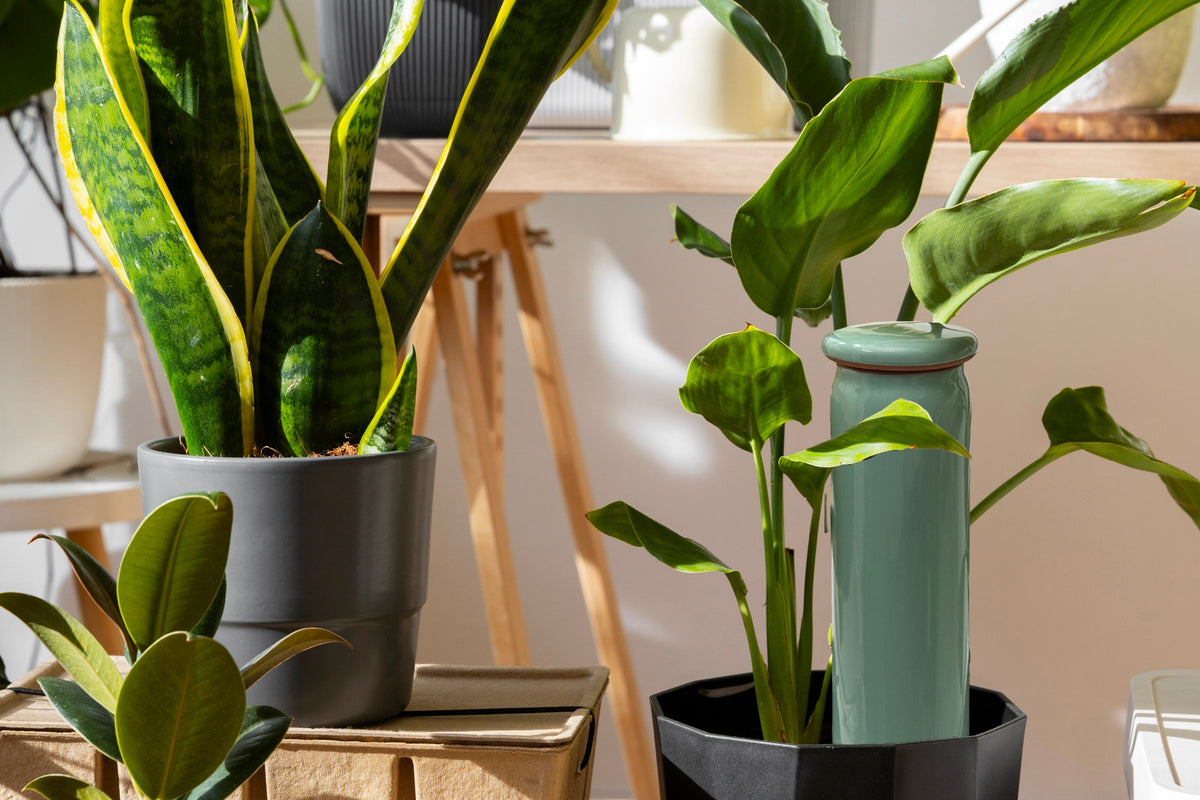
How to Water Plants While You're Away: 7 Methods Compared
Terracotta spikes are the most reliable way to water plants while you are away, because porous clay releases water only as fast as soil dries.
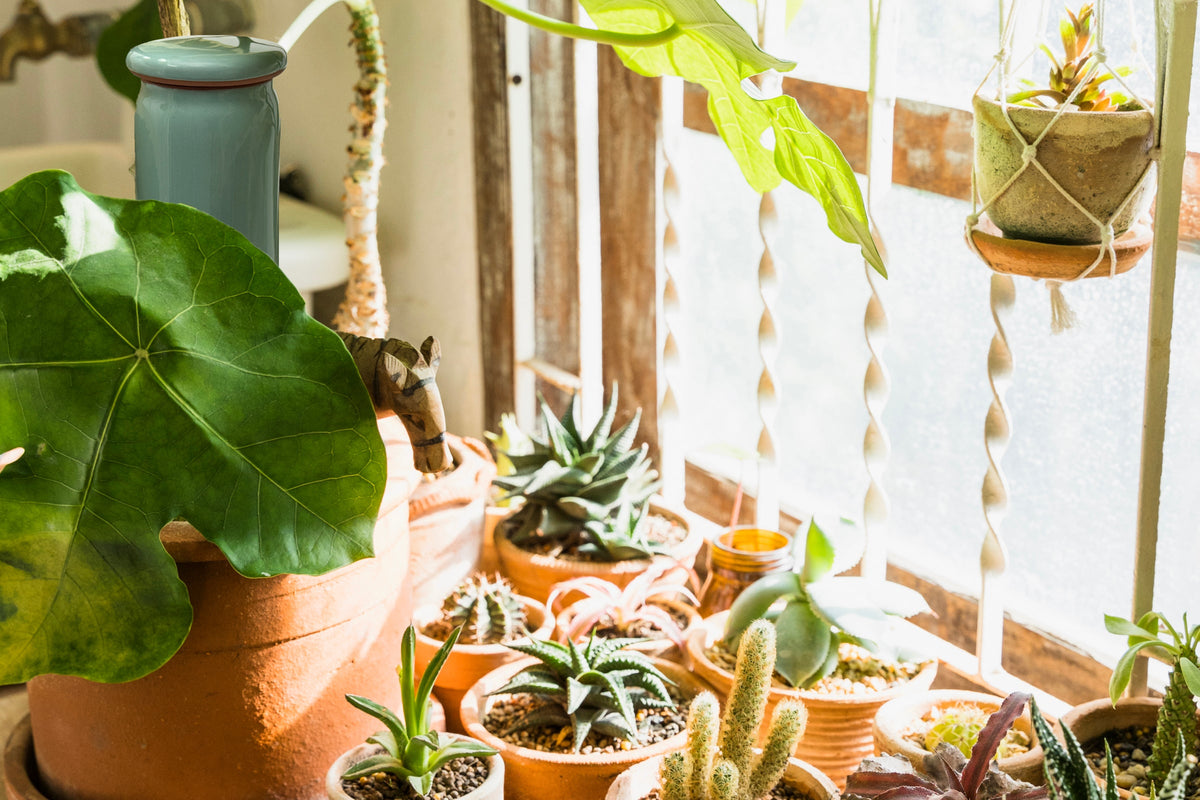
Best Watering Tools for Houseplants, Ranked
Most houseplant owners need only three watering tools: a long-spout can, a bottom-watering tray and terracotta spikes for the pots they forget.
Sooty Mold: What It Is and What It's Telling You
Sooty mold is not a plant disease but a surface fungus feeding on insect honeydew, so the real fix is finding the sap-sucking pest above it.
How Often Should You Fertilize Houseplants?
Feed most houseplants every two to four weeks at half the labelled strength in active growth, and much less or not at all in winter.
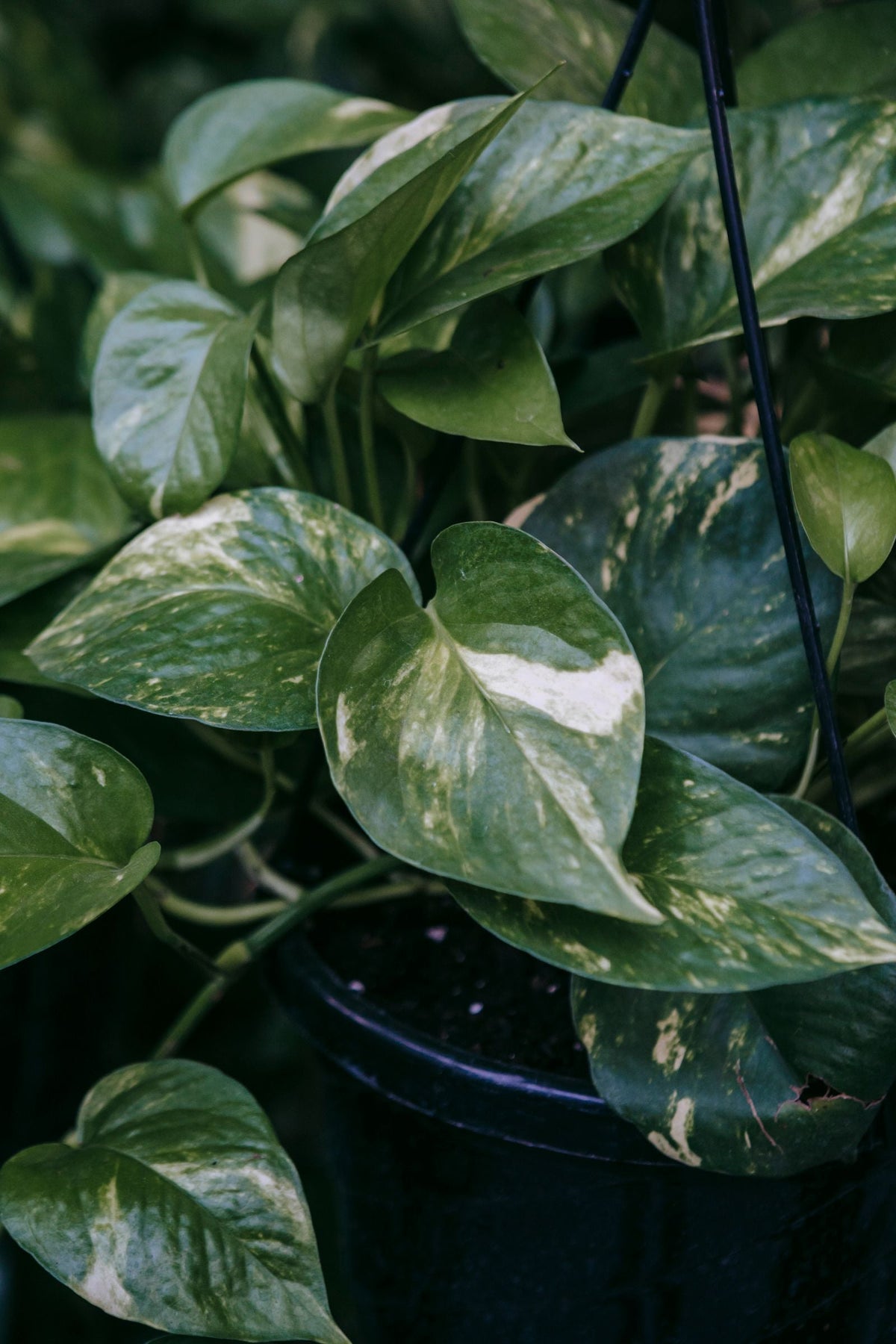
Can Houseplants Survive in a Room With No Windows?
Houseplants cannot survive on ordinary room lighting alone, but a windowless room works fine once you add a grow light on a 12-14 hour timer.
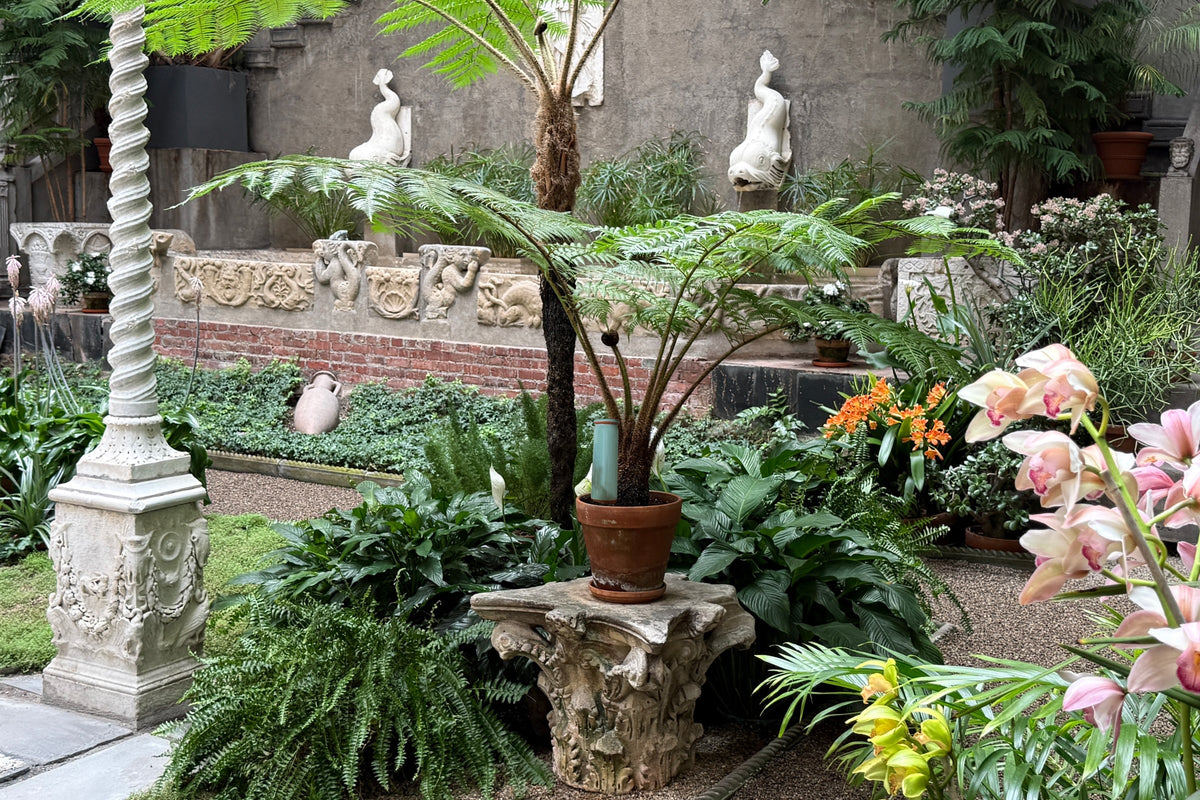
Are Self-Watering Pots Actually Good for Plants?
Self-watering pots suit consistently thirsty plants like ferns and peace lilies, but they harm succulents and cacti that need a real dry-down.
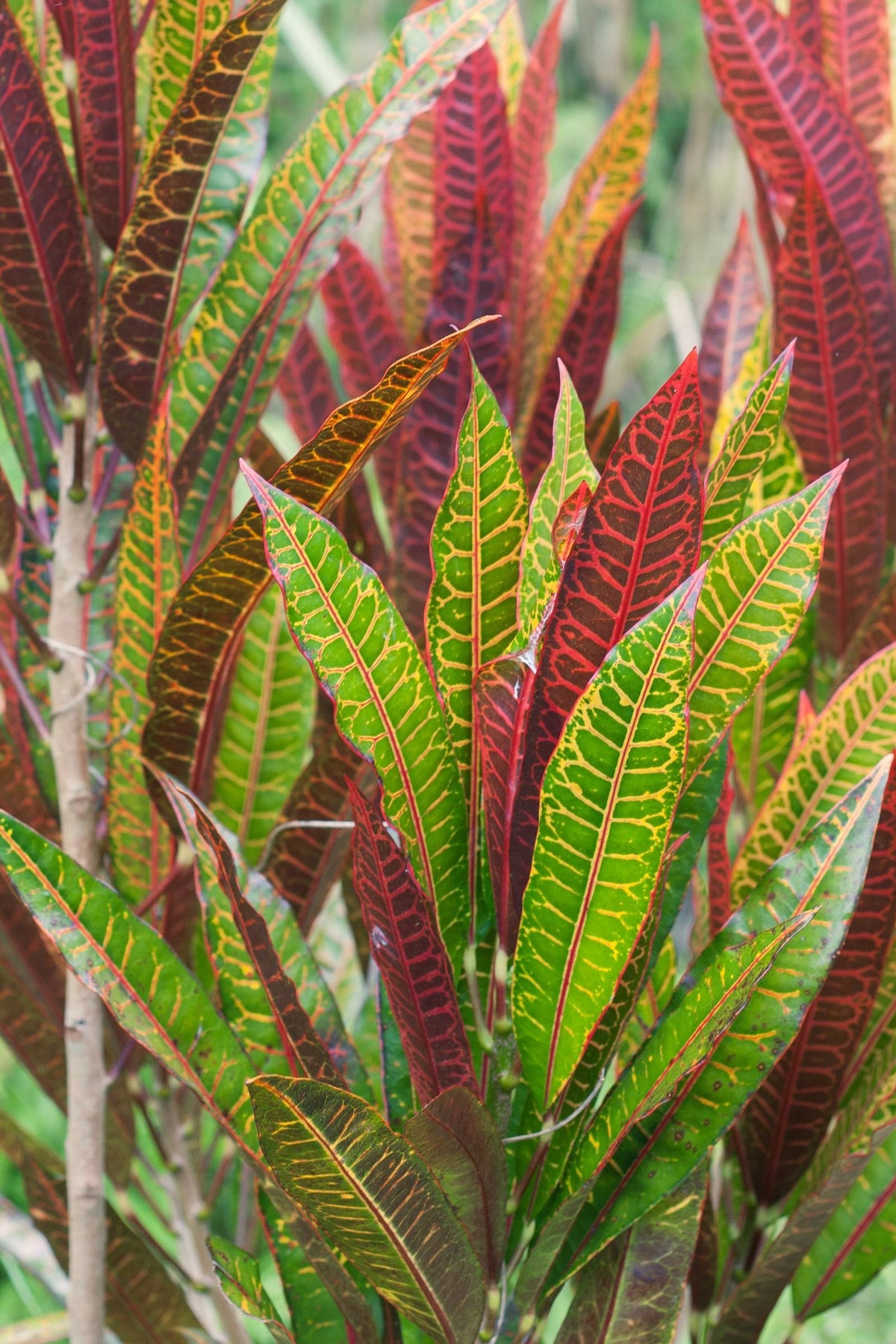
How Far Should a Grow Light Be From Your Plant?
Most home LED grow lights belong 15 to 90 cm above the canopy, with low-power strips closest and high-power panels furthest away.
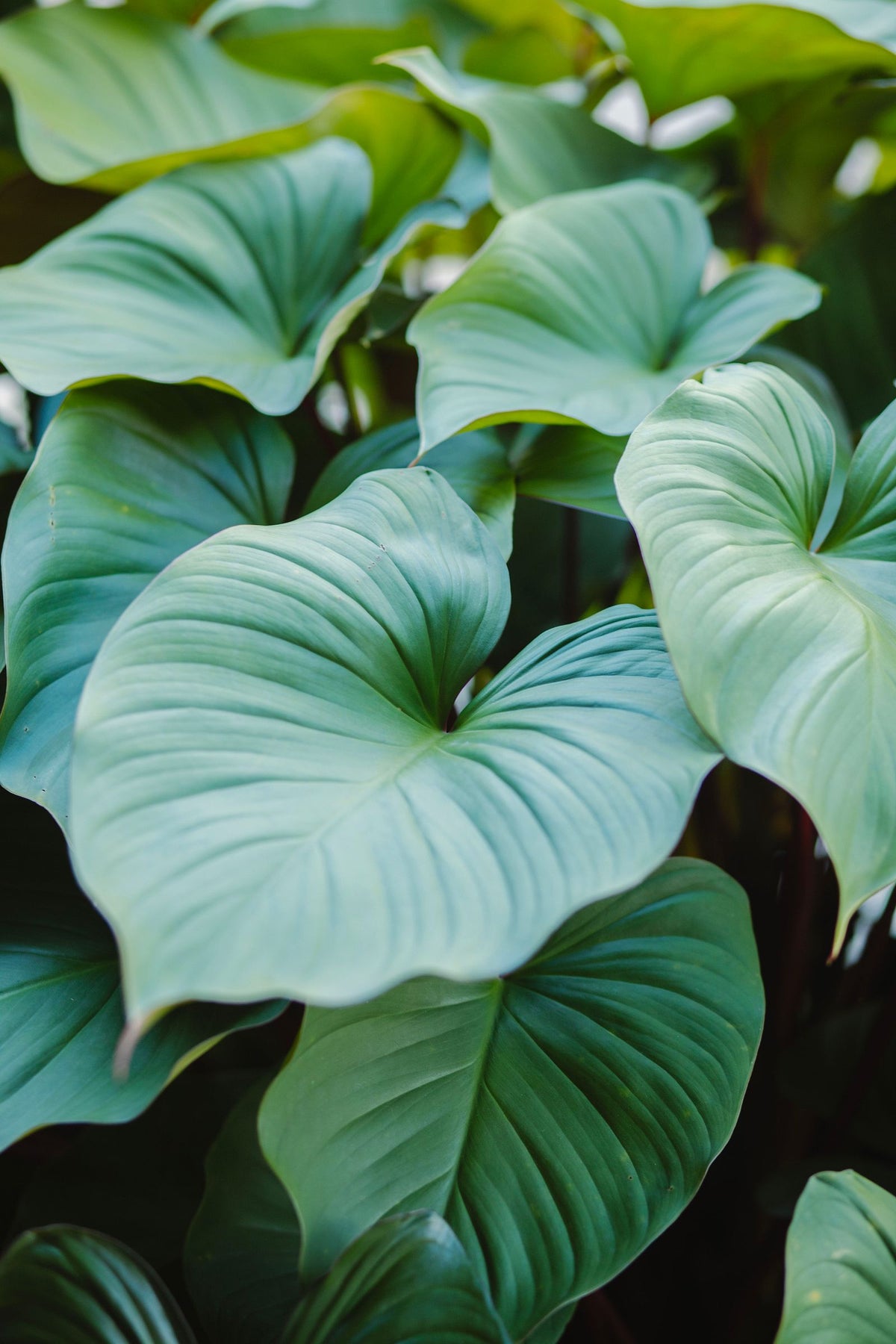
Powdery Mildew on Houseplants: Causes and Cures
Powdery mildew on houseplants is caused by humid, still air rather than wet leaves, and is cured by better airflow, spacing and targeted sprays.
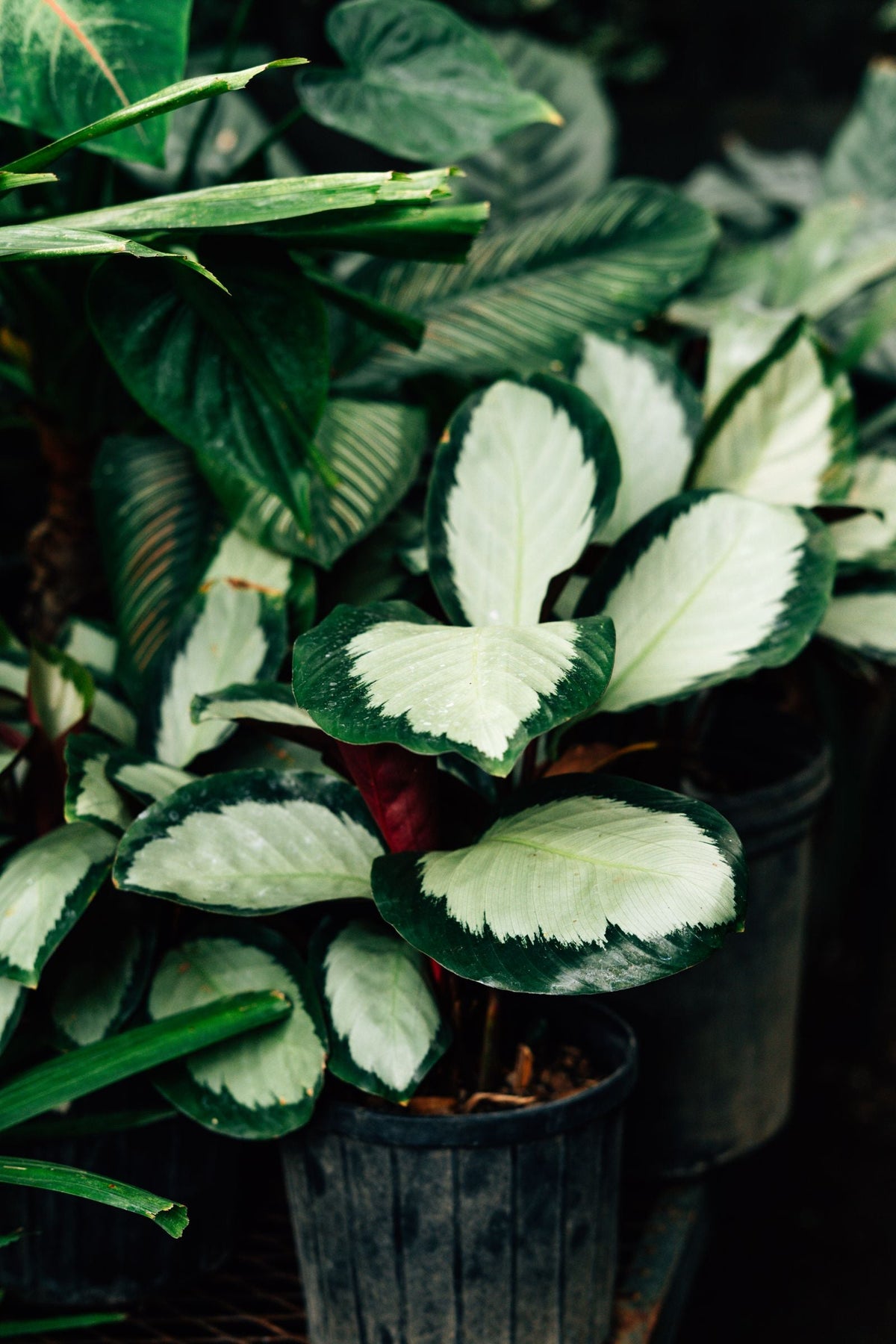
Is My Plant Root Bound? How to Tell and What to Do
A plant is root bound when roots circle the pot, escape the drainage holes, dry out within a day or two and growth stalls.
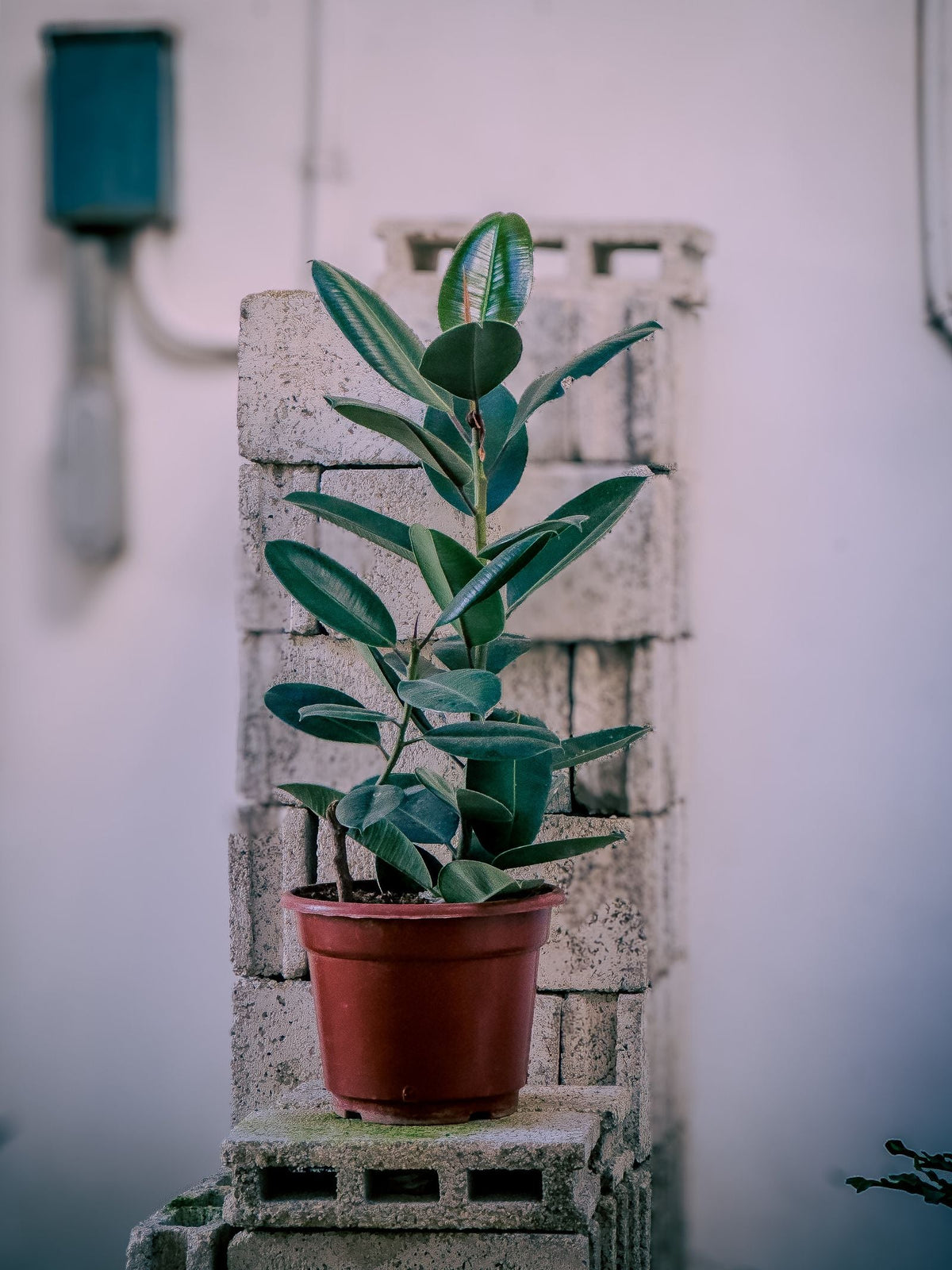
Do Grow Lights Actually Work for Houseplants?
Yes, grow lights genuinely work: a full-spectrum LED delivering 6 to 12 mol per square metre daily replaces daylight for most foliage houseplants.
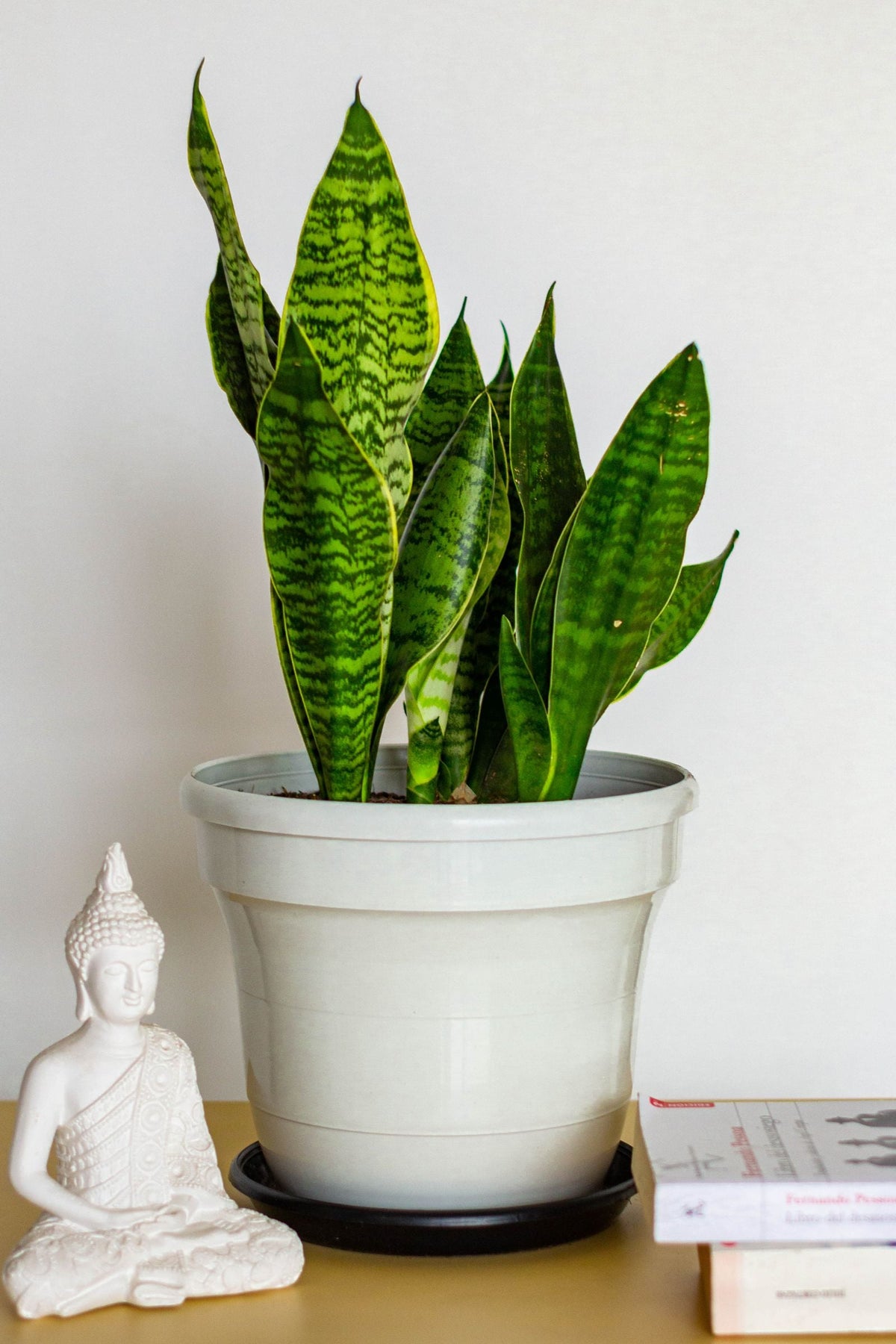
Aphids on Houseplants: How to Get Rid of Them for Good
Aphids on houseplants are cleared by a strong water spray plus insecticidal soap, repeated every 5 to 7 days for two or three cycles.
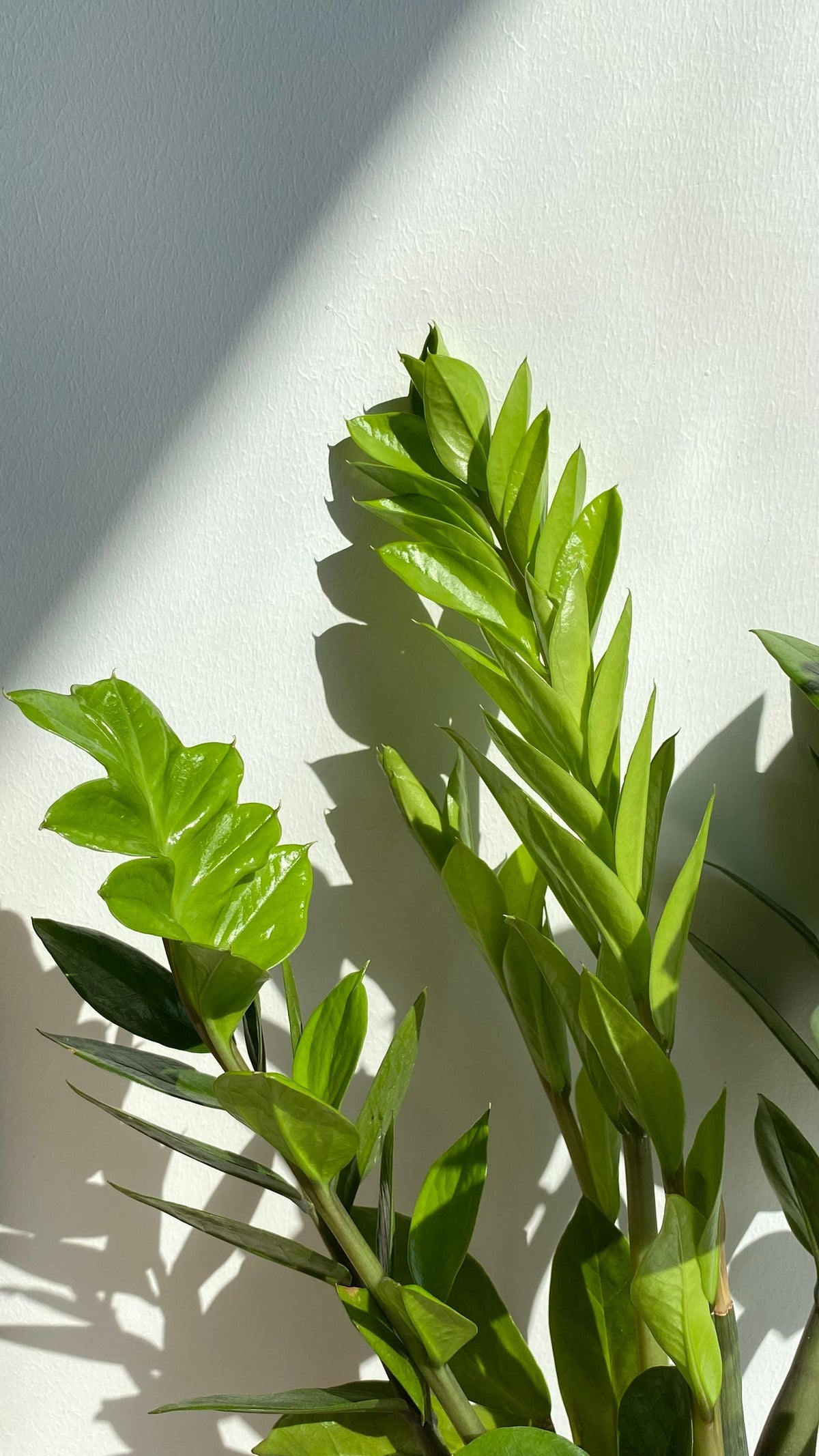
What Size Pot Does Your Plant Actually Need?
Most plants need a pot just one size up: about 2 inches wider for pots under 10 inches, and 3 to 4 inches wider for larger ones.
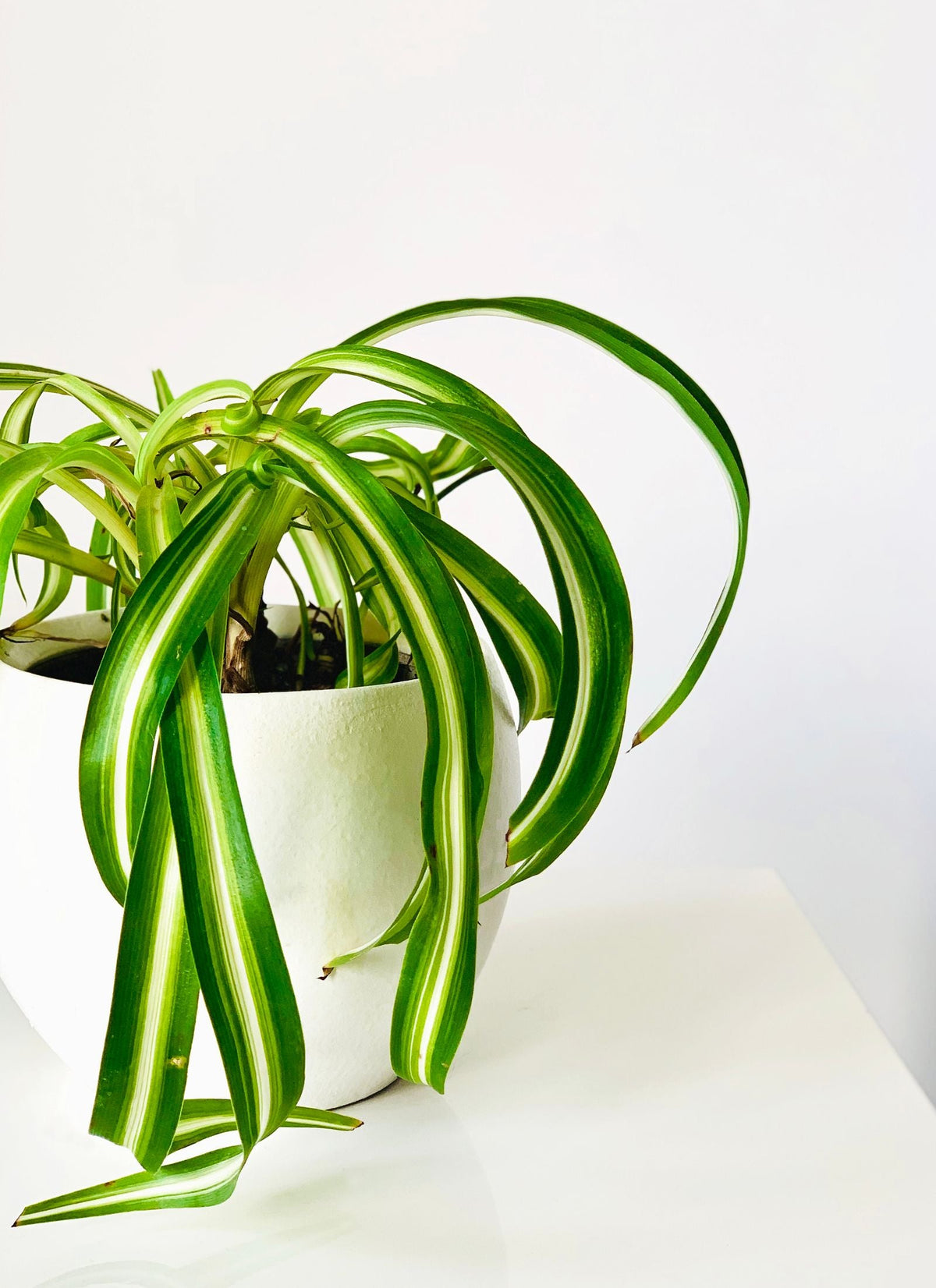
How to Measure Light in Your Home Without a Meter
The shadow test is the most reliable way to measure light without a meter, and phone apps are useful only for comparing one spot to another.
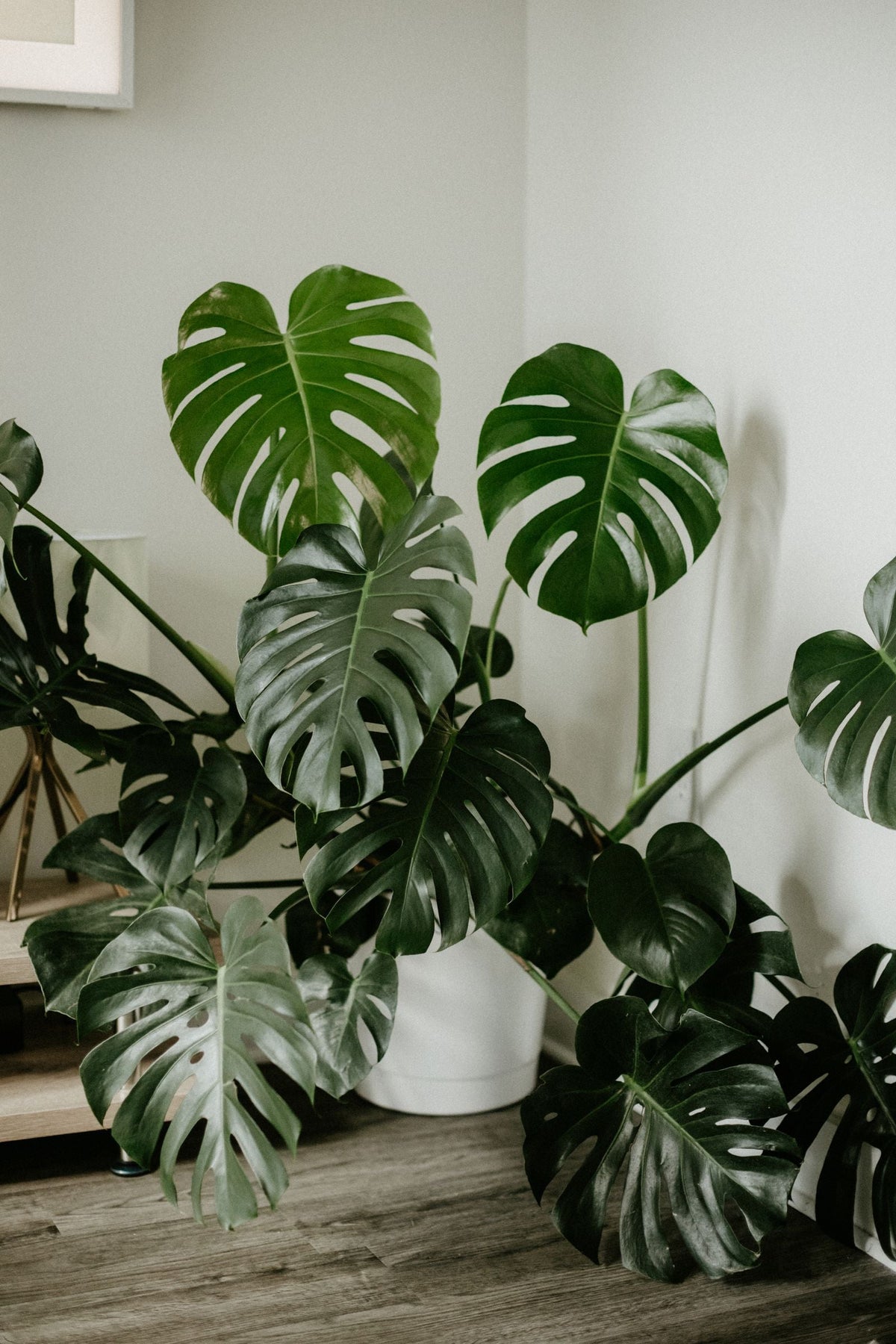
How to Choose a Potting Mix for Any Houseplant
Choose a potting mix by matching its drainage to the plant's native root conditions and to your own watering habits, not by trusting the bag label.
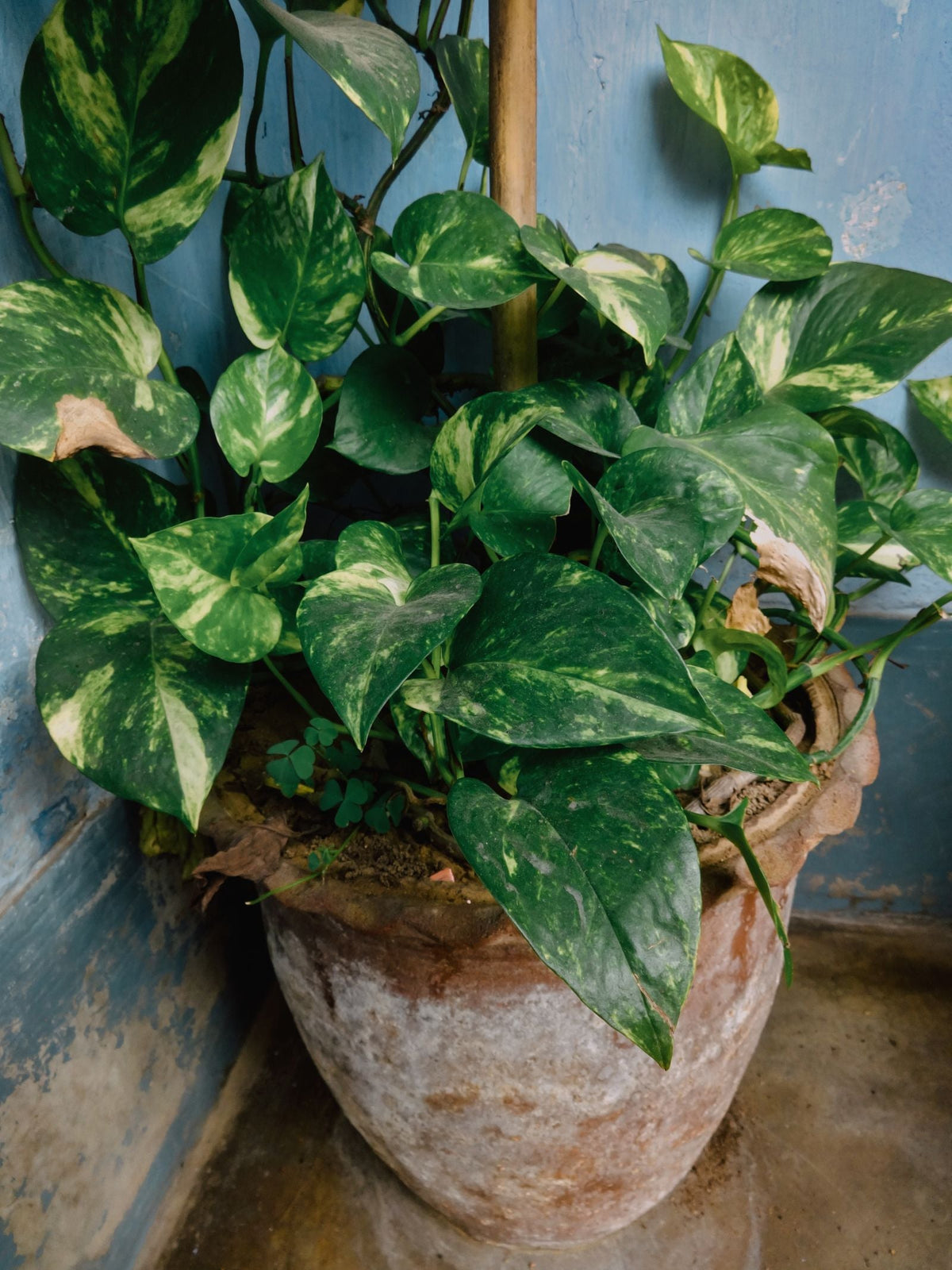
Can You Over-Fertilize? What Fertilizer Burn Looks Like
Yes, you can over-fertilise houseplants easily, and the damage shows as crusted soil, scorched leaf tips and wilting in soil that is still wet.
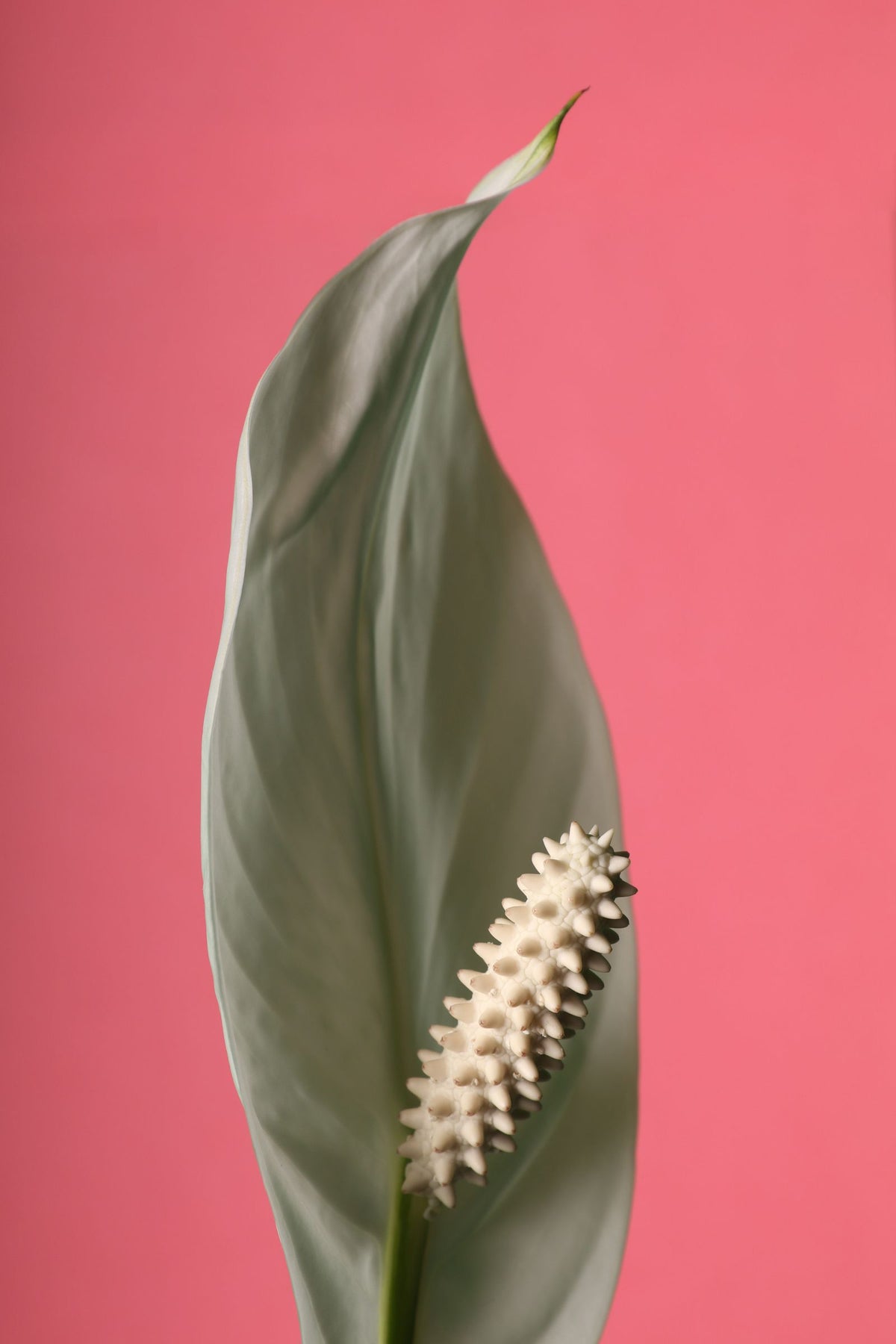
How Often Should You Change Potting Soil?
Most houseplants need fresh potting mix every 12 to 24 months, but symptoms like slow drying and a shrunken surface matter more than the calendar.
Signs of Nutrient Deficiency in Houseplants
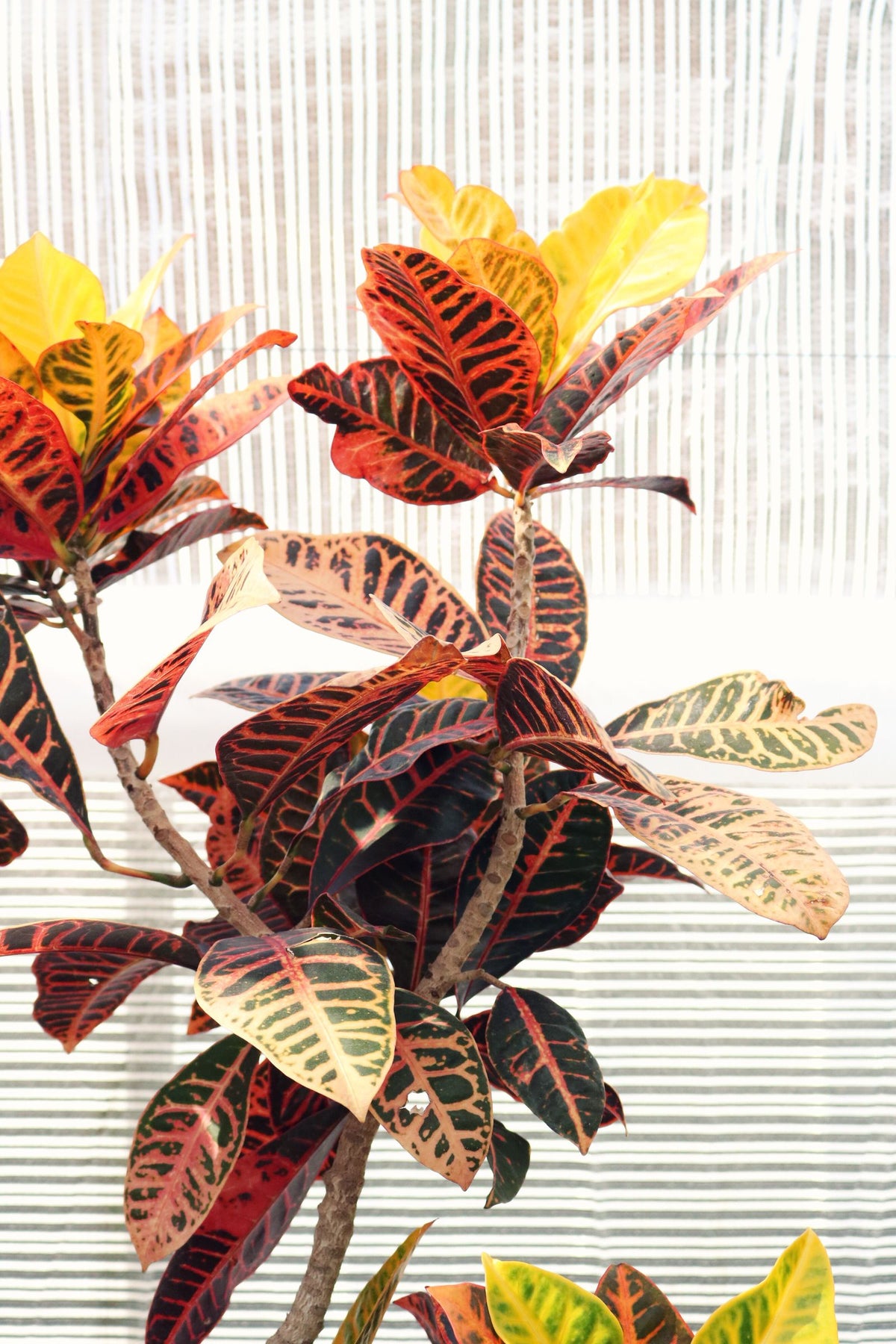
Which leaves are affected tells you the nutrient: mobile ones like nitrogen and magnesium fail on old leaves, immobile iron and calcium on new.
How to Change Your Watering Routine for Winter
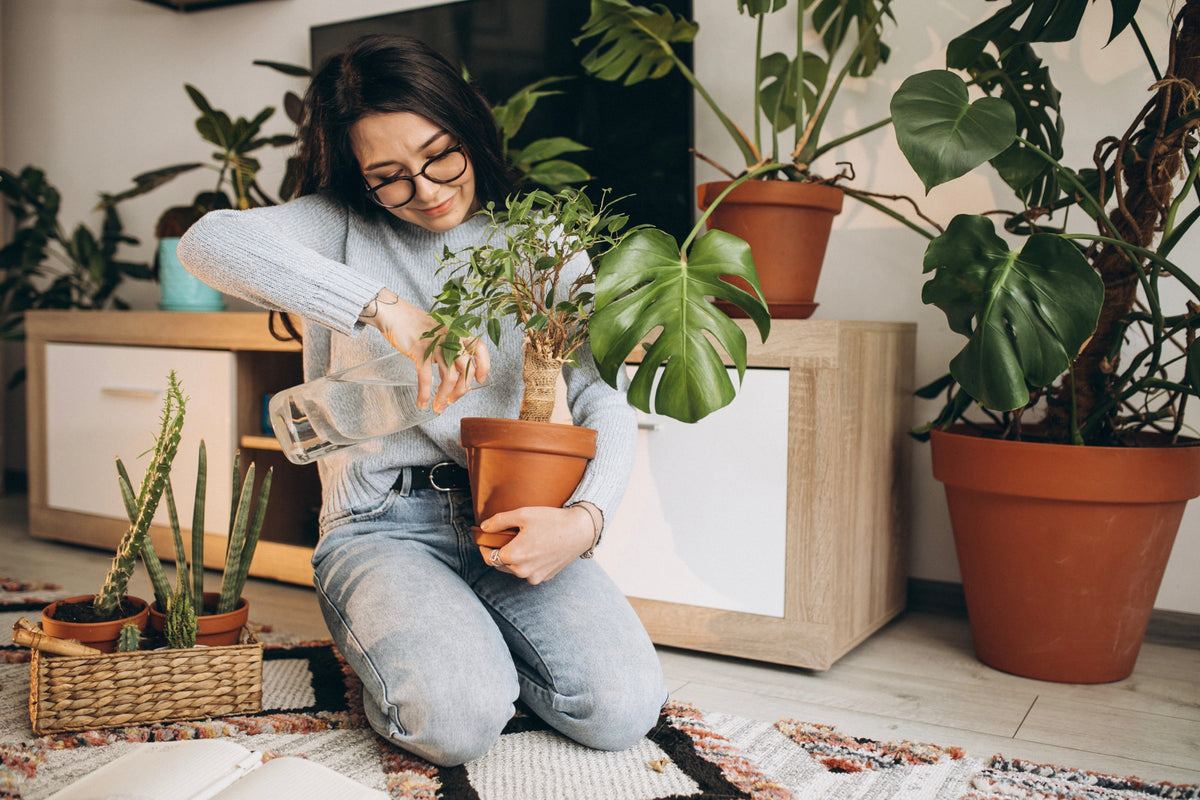
In winter, water houseplants about half as often because low light slows transpiration, and always judge by soil moisture or pot weight.
Why Potting Soil Compacts and How to Fix It
Potting soil compacts because its organic fraction decomposes into finer particles that collapse air pockets, so refresh the mix every 12 to 24 months.
What Do NPK Numbers Actually Mean?
The NPK numbers are the percentage by weight of nitrogen, phosphate and potash in a fertiliser, and most houseplants thrive on a balanced 20-20-20.
Why Winter Is Hard on Houseplants and What to Change
Winter is hard on houseplants because low light, dry heated air and cold drafts arrive together while soil dries slowly, so water less often.
Self-Watering Pots vs Ollas vs Spikes: A Straight Comparison
Terracotta ollas and spikes release water on demand as soil dries, while self-watering pots wick moisture continuously, so match the system to the plant.
Scale Insects on Houseplants: The Bumps That Aren't Bumps
Scale insects are sap-sucking bumps on stems and leaf undersides, and killing them takes horticultural oil or alcohol repeated every 7 to 14 days.
What Is "Bright Indirect Light," Really?
Bright indirect light is a spot bright enough to cast a soft-edged shadow, roughly 1,000 to 3,000 lux, with a wide view of open sky.