

Lemon Tree Light Requirements: How Much Sun a Lemon Tree Needs
Getting lemon tree light requirements right is the difference between a tree that flowers, sets fruit, and ripens sweet lemons and one that limps along with thin growth and never fruits at all. A lemon tree (Citrus × limon) is a full-sun subtropical evergreen: sunlight is its fuel, and citrus is one of the hungriest fruiting plants for light you can grow in a pot[1][2]. This guide covers exactly how much sun a lemon tree needs, the light levels it prefers indoors and outdoors, how light drives flowering and fruiting, and what to do when your room simply cannot deliver enough.
Lemon tree light meter
Lemon tree light requirements in one line: full sun, with 8–12 hours of direct sunlight a day ideal and 6 hours the absolute minimum for fruiting. Outdoors, give it the sunniest, most sheltered spot you have. Indoors, a lemon tree needs your brightest south-facing window and very often a supplemental grow light as well. Too little light means no flowers, no fruit, leggy growth, and leaf drop.
01 · THE SIMPLE ANSWER
How much sun does a lemon tree need?
A lemon tree needs full sun — at least 6 hours of direct sunlight every day, with 8 or more hours producing markedly better growth, heavier flowering, and more fruit[1][3]. Six hours is the floor at which a lemon tree will still fruit reliably; below that you get a green, living plant that flowers sparsely or not at all. There is effectively no upper limit for an acclimated tree outdoors: commercial citrus grows in unbroken sun all day.
The reason is simple energy accounting. Fruit is expensive. A lemon is a dense package of sugars, acids, and water that the tree must build entirely from photosynthesis, and citrus carries its crop for six to nine months from flower to ripe fruit[4]. When light is short, the tree pays the bills by dropping the crop first — which is why insufficient sunlight shows up as flower drop and fruitlet drop long before it shows up in the leaves.
Citrus × limon is a hybrid of citron and sour orange, native in cultivation to subtropical and tropical Asia and now grown around the Mediterranean and warm Americas[5][6]. Every one of those regions shares the same defining feature: long, bright, high-intensity days. That is the light environment your tree is built for, and the standard against which any windowsill will be judged.

02 · THE LIGHT METER
Lemon tree light levels, from deep shade to full sun
The easiest way to think about lemon tree light needs is a spectrum. Here is where a lemon tree wants to sit on it — the outlined band marks the ideal light conditions:
Lemon tree light meter
A lemon tree lives at the far right of the scale. It thrives in full sun and merely survives in "some direct" light, where it grows slowly and fruits poorly. Bright indirect light is not enough for fruit — a lemon tree in that band becomes an attractive evergreen shrub that flowers weakly and sets almost nothing[2][7]. Low light and deep shade cause steady decline: leaf drop, thin twiggy growth, and no crop at all. If you remember one thing about lemon tree lighting, make it this: more sun is almost always better, and the danger zone is the dim end, not the bright one.
03 · LIGHT BY WINDOW
The best window and placement for an indoor lemon tree
Which window gives a lemon tree enough light? Window direction is the fastest way to estimate the light conditions a spot provides (for the Northern Hemisphere — reverse for the Southern)[8]:
South window
✓ Ideal
The only indoor spot that reliably delivers 6+ hours of direct sun. Put the tree right against the glass, no curtain.
West window
△ Workable
Strong afternoon direct sun. Usable for a lemon tree, but usually 4–5 hours — add a grow light to reach fruiting light levels.
East window
△ Not enough
Gentle morning sun only. The tree stays alive and green but rarely blooms or fruits without supplemental lighting.
North window
✗ Avoid
No direct sun at all. A lemon tree here declines: leaf drop, leggy shoots, and zero fruit. Grow light required.

Two placement details matter as much as direction. First, distance: light intensity falls off steeply from the glass, so a lemon tree three feet back from a south window is receiving a fraction of what it would on the sill. Second, glass itself cuts light — double glazing and low-E coatings can absorb a meaningful share of the sun's intensity, so an indoor "full sun" window is never as bright as outdoors. The single best move for an indoor lemon tree is to summer it outside: move it out after the last frost, acclimate it over 10–14 days from bright shade to full sun, and let it bank a season of real light before it comes back in[9].
04 · TOO LITTLE LIGHT
Signs your lemon tree needs more light
Insufficient light is by far the most common problem for indoor citrus, and the symptoms are consistent[10]:
- No flowers, or flowers that drop without setting fruit. The clearest sign of too little sun. A lemon tree short on light aborts its bloom rather than commit energy it does not have to a six-month crop.
- Leaf drop, especially after a move indoors. Citrus sheds leaves when light drops sharply, rebalancing its canopy to the energy available. Sudden bare branches in autumn are usually a light problem, not a water problem.
- Long, thin, leggy shoots with pale leaves. Stretched internodes and washed-out, small new leaves mean the tree is reaching for light it cannot find.
- Soil that stays wet for weeks. Low light slows transpiration, so the pot never dries and root rot risk climbs. Light and watering are two halves of one equation.

05 · TOO MUCH SUN
Can a lemon tree get too much sun?
An established, acclimated lemon tree essentially cannot get too much sun. Problems arise only from sudden exposure or from heat and drought stress that accompany intense light[11]:
- Bleached, papery patches after moving outdoors. Sunburn on leaves that grew indoors and were pushed straight into full sun. Prevent it by acclimating over 10–14 days rather than in one afternoon.
- Sunscald on exposed bark and fruit. Hard-pruned trees with newly exposed trunks can scald in fierce sun; a coat of diluted white latex paint on the trunk is the standard orchard remedy.
- Cupped, curling leaves in a heatwave. Leaves fold to cut exposed surface when transpiration outpaces the roots. This is a water and heat signal, not a reason to reduce light.
- A pot that dries out within a day. Full sun on a dark container bakes the root zone and drives water use hard — shade the pot, not the canopy.
The fix is never to move a lemon tree into shade. Acclimate gradually, mulch and shade the container, and keep water consistent — then give the canopy every hour of sun you can.
06 · LIGHT & FRUIT
How light controls flowering and fruiting
Fruiting is where lemon tree light requirements become unforgiving. A lemon carries a large sugar load that has to be manufactured leaf by leaf, and the tree balances its crop against the carbohydrate supply it can actually generate. When light is limiting, the tree self-corrects by shedding flowers and marble-sized fruitlets — the well-known "June drop" of citrus, which is exaggerated in low light[4][12].
Light also shapes fruit quality, not just quantity. Sun-exposed fruit develops higher sugar and better peel colour than shaded fruit inside a dense canopy, which is one reason open, well-lit canopies are pruned for in orchards[13]. In a container, that translates into a practical rule: rotate the pot a quarter turn weekly so the whole canopy shares the light, and thin any crossing interior branches so sun reaches the middle of the tree rather than just the outer shell of leaves.
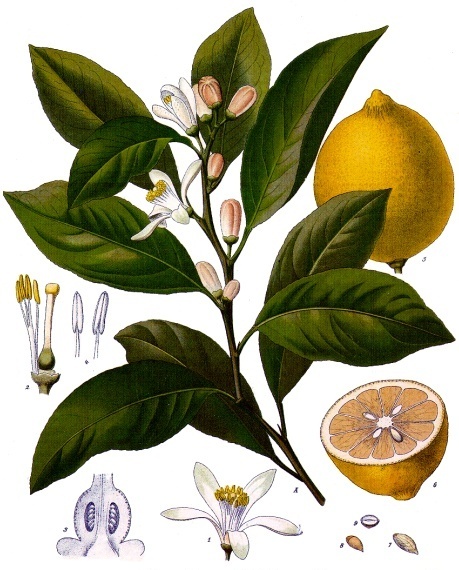
Cultivar matters at the margins. 'Meyer' lemon, a lemon–mandarin hybrid, is the most tolerant of container life and the most likely to fruit in an imperfect indoor position; 'Eureka' and 'Lisbon' are true lemons that are larger, more vigorous, and hungrier for sun. None of them are shade plants — the difference is only how quickly they give up on fruiting when the light runs short.
07 · GROW LIGHTS & SEASONS
Grow lights, winter light, and seasonal changes
Very few homes can supply full-sun light levels indoors, so a grow light is close to standard equipment for an indoor lemon tree. Run a full-spectrum LED for 12–14 hours a day, positioned 12–24 inches above the canopy, and treat it as a supplement to your brightest window rather than a replacement for it[8][14]. A tall tree needs the light raised and, ideally, a second fixture at the side, because a single overhead lamp leaves the lower canopy in shade.
Seasonality is the other half of the story. Winter light in temperate latitudes is short and weak, so a windowsill that was bright enough in July is genuinely dim in December. Expect slower growth, hold fertiliser back, and cut watering frequency accordingly — a lemon tree in low winter light uses a fraction of the water it drinks in summer. Wash the leaves and the window glass too: dust on both sides measurably cuts the light reaching the canopy.
08 · LIGHT & WATERING
Match watering to your lemon tree's light level
Light and water are inseparable for citrus. A lemon tree in full summer sun transpires hard and may need a deep soak every 3–5 days; the same tree in a dim winter room may go 10–14 days between waterings. Watering on a fixed calendar while the light changes is the fastest route to either root rot or the drought stress that causes fruit split and fruit drop. For the full schedule and method, see watering a lemon tree: a complete guide to frequency and method.
ACQUA OLLA
Full sun drives a lemon tree through its water — keep the root zone steady and stop the fruit drop.
Shop Acqua Olla →To sum up the lemon tree light requirements: full sun, 8 or more hours a day ideally and never less than 6 if you want fruit. Outdoors, give it your sunniest sheltered spot; indoors, use the brightest south window you own and add a grow light rather than hoping the room is enough. Acclimate gradually when the tree moves, prune for an open canopy, and adjust watering to the season's light. Related reading: watering a lemon tree and how often to water a lemon tree.
Frequently asked questions about lemon tree light
How much sun does a lemon tree need?
A lemon tree needs full sun: 8–12 hours of direct sunlight a day is ideal and 6 hours is the practical minimum for flowering and fruiting. Below 6 hours the tree survives but rarely sets a usable crop.
Can a lemon tree grow in indirect light?
It can stay alive, but it will not fruit well. Bright indirect light keeps a lemon tree green and slow-growing; direct sun is what powers flowering and fruit development. Treat indirect light as a holding pattern, not a home.
What window is best for an indoor lemon tree?
A south-facing window, with the tree as close to the glass as possible and no curtain. West windows are workable with a grow light; east windows rarely deliver enough hours, and north windows are unsuitable.
Why is my lemon tree dropping leaves?
Most often a sudden drop in light — typically when the tree comes indoors for winter. Citrus sheds leaves to match its canopy to available energy. Move it to the brightest window, add supplemental lighting, and reduce watering to match.
Why won't my lemon tree fruit?
Insufficient light is the number-one cause. Fruit is expensive to build, so a tree short on sunlight drops its flowers and fruitlets first. Give it 6–8+ hours of direct sun, summer it outdoors, and keep watering consistent.
Does a lemon tree need a grow light indoors?
Usually yes. Very few indoor positions reach full-sun light levels, so a full-spectrum LED run 12–14 hours a day, 12–24 inches above the canopy, is the reliable way to meet lemon tree light requirements in winter.
Can a lemon tree get too much sun?
An acclimated tree essentially cannot. Sunburn only happens when an indoor-grown tree is moved straight into full sun — acclimate over 10–14 days. Heat-related leaf curl is a water and root-zone problem, not a reason to reduce light.
References
- [1] University of Florida IFAS Extension. (n.d.). Citrus — growing lemons in the home landscape. gardeningsolutions.ifas.ufl.edu.
- [2] Royal Horticultural Society. (n.d.). Citrus: growing and caring for lemon trees. rhs.org.uk.
- [3] Missouri Botanical Garden. (n.d.). Citrus × limon — Plant Finder. missouribotanicalgarden.org.
- [4] Spiegel-Roy, P., & Goldschmidt, E.E. (1996). Biology of Citrus. Cambridge University Press.
- [5] Royal Botanic Gardens, Kew. (n.d.). Citrus × limon (L.) Osbeck. Plants of the World Online. powo.science.kew.org.
- [6] USDA, Agricultural Research Service. (2023). GRIN: Citrus × limon. npgsweb.ars-grin.gov.
- [7] Clemson Cooperative Extension. (n.d.). Citrus for the home landscape. Home & Garden Information Center. hgic.clemson.edu.
- [8] University of Minnesota Extension. (2022). Lighting for indoor plants and starting seeds. extension.umn.edu.
- [9] Michigan State University Extension. (n.d.). Moving houseplants outdoors for summer. canr.msu.edu.
- [10] Penn State Extension. (2020). Growing citrus indoors. extension.psu.edu.
- [11] North Carolina State Extension. (n.d.). Citrus × limon. plants.ces.ncsu.edu.
- [12] University of Wisconsin–Madison Division of Extension. (n.d.). Growing citrus as houseplants. hort.extension.wisc.edu.
- [13] Taiz, L., & Zeiger, E. (2010). Plant Physiology, 5th ed. Sinauer Associates.
- [14] Lambers, H., Chapin, F.S., & Pons, T.L. (2008). Plant Physiological Ecology, 2nd ed. Springer.
- [15] ASPCA. (n.d.). Lemon tree (Citrus limon) — toxic and non-toxic plants. aspca.org.