

How to Water an Anthurium While Away
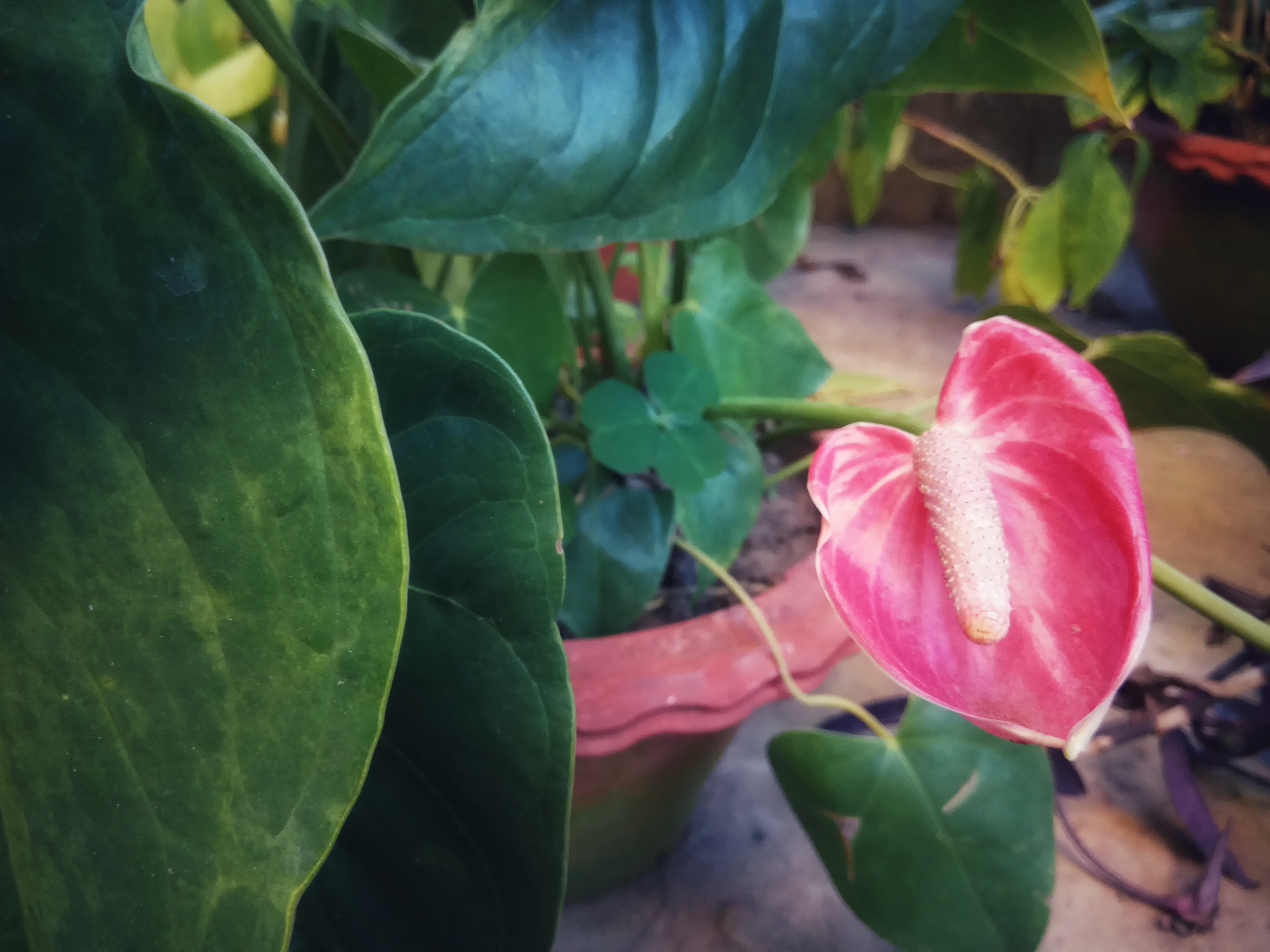
Anthuriums are showy houseplants — the glossy heart-shaped leaves and bright red, pink, or white ‘flowers’ (technically modified leaves called spathes) make them a favourite. But they’re fussy: they want consistent moisture, high humidity, and bright indirect light, and they stop blooming when stressed. So ‘how to water an Anthurium while away’ matters because the plant doesn’t bounce back quickly from a dry spell. This guide covers the setup that keeps yours flowering.
THE SHORT VERSION
01 · THE PROBLEM
How thirsty is a Anthurium?
Anthuriums want soil that stays consistently moist but not wet, and they need humidity above 50% to bloom and avoid leaf-browning. The tropical epiphytic origin means roots like to breathe between waterings, but the leaves want humid air constantly. A healthy Anthurium wants water every 5–7 days, with the top centimetre of soil drying between waterings. Signs of stress include drooping leaves, yellowing, and the dramatic loss of spathes (the colourful ‘flowers’). Stress accumulates — a single drought episode can stop flowering for weeks.
02 · HOW LONG
How long can a Anthurium go without water?
An Anthurium holds 5–7 days unaided in normal indoor conditions before stress shows, and dropped spathes are common after a week of inadequate watering. With a filled AcquaTerra spike, the window extends to 10–14 days reliably. For Anthuriums specifically, the humidity problem is as important as the soil moisture — the spike alone isn’t enough on a long trip without humidity-supporting prep like grouped pots and a humidified room.
03 · THE OPTIONS
Best methods for a Anthurium on vacation
Anthuriums benefit from terracotta spikes because the steady moisture release matches the plant’s preference. But the humidity problem is separate and requires its own setup. Here’s the comparison.
01 · Terracotta spike
Best fit
The AcquaTerra’s 17.5 oz reservoir releases as the soil dries — ideal for plants that demand consistent moisture. Lasts 10–16 days.
02 · Two spikes
Long trips
For trips beyond two weeks or thirsty plants in warm rooms, two AcquaTerra spikes per pot roughly doubles the reservoir.
03 · Watering globe
Less reliable
Globes release on air pressure rather than soil moisture — they often empty fast or clog. Inconsistent for thirsty plants.
04 · Plant sitter
Pricey backup
A neighbour or paid sitter works but adds scheduling and cost. A spike removes the dependency for most trips.
The terracotta spike leads for this plant because its clay releases water only as the soil dries — matching supply to the plant’s actual needs.1
04 · THE SETUP
Setup — 5 minutes for a Anthurium
The AcquaTerra installs in about five minutes per pot. Its 17.5 oz reservoir covers 10–16 days for a typical Anthurium in normal indoor conditions.
01 · Soak the spike
Submerge the terracotta in water for 15 minutes to prime the porous clay before installing in the pot.
02 · Water the pot
Give the Anthurium a normal thorough watering first. The spike maintains moisture — it doesn’t rescue dry soil.
03 · Make the hole
Use the included wooden dibber to open a hole near the pot edge, away from the main stem and roots.
04 · Insert & fill
Seat the spike, firm the soil around it, then fill the 17.5 oz reservoir to the top.
05 · Cap & group
Close the lid to keep bugs out, then group pots together out of direct sun to slow water loss.
For longer trips
Two weeks or more? Run two spikes per pot and lower the room temperature to extend the reservoir.
05 · THE PREP
A pre-trip checklist for your Anthurium
These small adjustments lower the Anthurium’s water demand so the reservoir lasts longer. Apply them on departure day.
- Move plants out of direct sun. Bright indirect light keeps plants alive without driving the rapid transpiration that empties a reservoir early.
- Lower the thermostat a few degrees. Cooler rooms transpire more slowly, so the same reservoir lasts noticeably longer over the trip.
- Group pots together. Clustered plants raise the humidity around one another, slowing evaporation from soil and leaves alike.
- Skip fertilizer before you leave. Don’t feed within a couple of days of departure; concentrated feed in drying soil can scorch roots.
- Water thoroughly on departure day. A self-watering spike maintains moisture; it works best starting from a properly watered pot.
06 · WHEN IT GOES WRONG
Troubleshooting your Anthurium on return
An Anthurium that returned with dropped spathes and yellowing lower leaves is drought-stressed — resume normal watering and the plant rebuilds over weeks, with new spathes appearing in a month or two. Crispy brown leaf edges signal low humidity, not low water, and don’t recover; trim them off. Mushy stem base is overwatering, dangerous and often fatal for Anthuriums. The honest position: Anthurium vacation damage often shows in lost flowers rather than dead plants, and the recovery is slow.
How to water an Anthurium while away is one of the more demanding cases in this series because the plant needs both soil moisture and air humidity. A single AcquaTerra spike, grouped pots, and a cool humid room together keep an Anthurium blooming through a trip. Skip the humidity setup and the spathes are likely to drop even with the spike providing perfect soil moisture.
FAQ · COMMON QUESTIONS
Frequently Asked Questions
How do you water an Anthurium while away?
Install a single AcquaTerra terracotta spike with the reservoir filled, and group the pot with other plants to raise humidity. Anthuriums need both consistent soil moisture (which the spike handles) and 50%+ humidity (which grouping handles). Move the pot to bright indirect light in a cool room.
How long can an Anthurium go without water?
An Anthurium holds 5–7 days unaided in normal indoor conditions before stress and bloom-drop. With a terracotta spike, this extends to 10–14 days for soil moisture, though humidity remains a separate problem to manage.
Why does my Anthurium stop flowering after vacation?
Anthurium spathes (the colourful ‘flowers’) drop when the plant stresses, and even one drought episode can stop flowering for weeks. The plant rebuilds, with new spathes appearing in a month or two of consistent care. A terracotta spike prevents the drought stress that triggers the drop.
How often should you water an Anthurium?
Water an Anthurium when the top centimetre of soil starts to feel dry — typically every 5–7 days. The soil should stay consistently moist without being waterlogged. Anthuriums are epiphytes naturally, so the roots benefit from brief drying but suffer from prolonged dryness.
Do Anthuriums need humidity while you’re away?
Yes — Anthuriums need 50%+ humidity to bloom and avoid leaf browning. Group the pot with other plants to raise humidity, place it on a pebble tray, or move it to a humid bathroom. The terracotta spike supplies water but doesn’t directly raise humidity.
Can you overwater an Anthurium?
Yes — constantly wet soil causes root rot, which shows as widespread yellowing and soft stem bases. Anthuriums are epiphytes and need the roots to breathe between waterings. The terracotta spike releases only as soil dries, avoiding this, but check the spike isn’t installed in already-wet soil.
Will my Anthurium survive a 2-week vacation?
Yes, with prep — a terracotta spike plus grouped pots covers 2 weeks. The plant survives easily, but expect possible spathe-drop without proper humidity prep. Anthuriums are easier to keep alive than to keep blooming on a vacation.
Should I cut the spathes (flowers) before vacation?
No — cutting them won’t prevent damage and removes the plant’s display. They naturally last 6–8 weeks each before fading. If they drop on vacation due to stress, simply trim them off when you return and the plant rebuilds new ones over the following weeks with good care.
References
01 Bainbridge, D. A. (2001). “Buried clay pot irrigation: a little known but very efficient traditional method of irrigation.” Agricultural Water Management, 48(2), 79–88. DOI: 10.1016/S0378-3774(00)00119-0
02 University of Minnesota Extension. “Watering houseplants.” UMN Extension. extension.umn.edu