

How to Water a Nerve Plant While Away
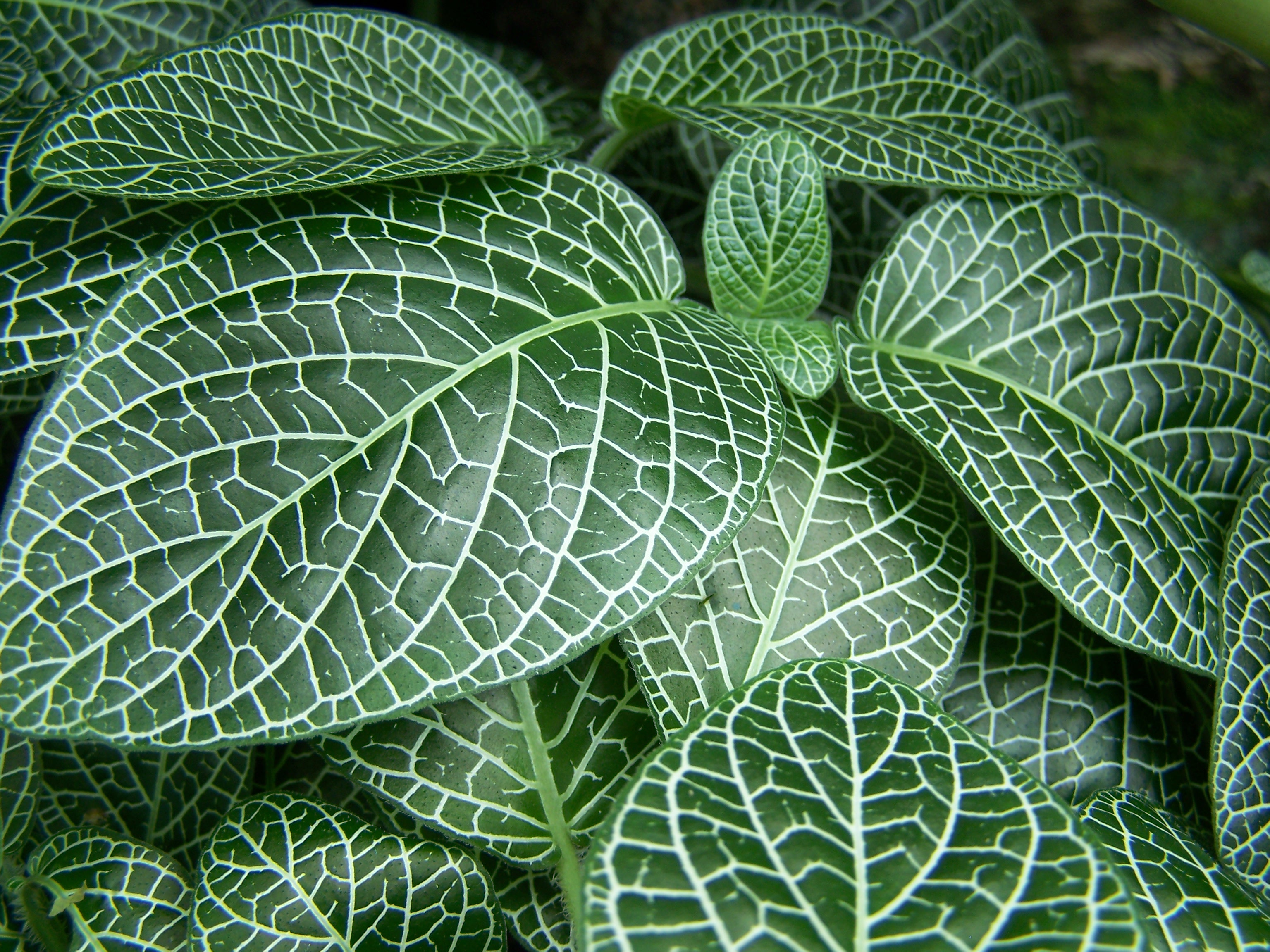
Nerve Plants (Fittonia) are the drama queens of the houseplant world — the intricately veined leaves collapse spectacularly within hours of dry soil, looking like the plant has died entirely. The trick is that Fittonia almost always recovers within an hour of watering, even from what looks like a death scene. But the repeated drama is stressful for the plant and unnerving for the owner, which is why ‘how to water a Nerve Plant while away’ is worth getting right. This guide covers the setup that prevents the fainting episodes.
THE SHORT VERSION
01 · THE PROBLEM
How thirsty is a Nerve Plant?
Nerve Plants want soil that stays constantly moist (never wet, never dry) and humidity above 50%. The intricate veined leaves collapse spectacularly when the soil dries out, even briefly, looking dramatically dead. A healthy Fittonia wants water every 3–5 days, and the collapse-and-recover cycle, while it almost always recovers from one watering, is stressful for the plant and reduces long-term vigour over many cycles. The signs of trouble are exaggerated: complete leaf collapse from soil dryness, but also yellowing and rot from overwatering. The plant lives at the moisture edge.

02 · HOW LONG
How long can a Nerve Plant go without water?
A Nerve Plant holds just 2–3 days unaided in normal indoor conditions before the dramatic leaf-collapse starts — one of the shortest tolerance windows of any common houseplant. The collapse usually reverses with watering but the cycle stresses the plant over time. With a filled AcquaTerra spike, the moisture window extends to 10–14 days reliably with no collapse episodes. For Nerve Plants more than most, the self-watering spike is genuinely transformative — this is exactly the use case the device was designed for.
03 · THE OPTIONS
Best methods for a Nerve Plant on vacation
Nerve Plants are practically the ideal candidate for a terracotta spike — the constant slow moisture release matches the plant’s exact preference, eliminating the dramatic collapse episodes that define life with a Fittonia. Here’s the comparison.
01 · Terracotta spike
Best fit
The AcquaTerra’s 17.5 oz reservoir releases as the soil dries — ideal for plants that demand consistent moisture. Lasts 10–16 days.
02 · Two spikes
Long trips
For trips beyond two weeks or thirsty plants in warm rooms, two AcquaTerra spikes per pot roughly doubles the reservoir.
03 · Watering globe
Less reliable
Globes release on air pressure rather than soil moisture — they often empty fast or clog. Inconsistent for thirsty plants.
04 · Plant sitter
Pricey backup
A neighbor or paid sitter works but adds scheduling and cost. A spike removes the dependency for most trips.
The terracotta spike leads for this plant because its clay releases water only as the soil dries — matching supply to the plant’s actual needs.1
04 · THE SETUP
Setup — 5 minutes for a Nerve Plant
The AcquaTerra installs in about five minutes per pot. Its 17.5 oz reservoir covers 10–16 days for a typical Nerve Plant in normal indoor conditions.
01 · Soak the spike
Submerge the terracotta in water for 15 minutes to prime the porous clay before installing in the pot.
02 · Water the pot
Give the Nerve Plant a normal thorough watering first. The spike maintains moisture — it doesn’t rescue dry soil.
03 · Make the hole
Use the included wooden dibber to open a hole near the pot edge, away from the main stem and roots.
04 · Insert & fill
Seat the spike, firm the soil around it, then fill the 17.5 oz reservoir to the top.
05 · Cap & group
Close the lid to keep bugs out, then group pots together out of direct sun to slow water loss.
For longer trips
Two weeks or more? Run two spikes per pot and lower the room temperature to extend the reservoir.
05 · THE PREP
A pre-trip checklist for your Nerve Plant
These small adjustments lower the Nerve Plant’s water demand so the reservoir lasts longer. Apply them on departure day.
- Move plants out of direct sun. Bright indirect light keeps plants alive without driving the rapid transpiration that empties a reservoir early.
- Lower the thermostat a few degrees. Cooler rooms transpire more slowly, so the same reservoir lasts noticeably longer over the trip.
- Group pots together. Clustered plants raise the humidity around one another, slowing evaporation from soil and leaves alike.
- Skip fertilizer before you leave. Don’t feed within a couple of days of departure; concentrated feed in drying soil can scorch roots.
- Water thoroughly on departure day. A self-watering spike maintains moisture; it works best starting from a properly watered pot.
06 · WHEN IT GOES WRONG
Troubleshooting your Nerve Plant on return
A Nerve Plant returning with collapsed flat leaves is reacting to dry soil and almost certainly recovers within an hour of thorough watering — this is the plant’s signature behaviour and rarely permanent. Yellow leaves with mushy stems signal overwatering, which is less common but more dangerous; let the plant dry out slightly. Crispy edges that don’t recover are dry-air damage; trim them off. For Nerve Plants, the leaf-collapse is dramatic but recoverable; the genuinely harmful damage is overwatering, which the terracotta spike helps avoid by releasing only as soil dries.
How to water a Nerve Plant while away is one of the most rewarding setups in this series because the result is so visible: instead of returning to a flat collapsed plant that you have to revive (or worse), you return to a Nerve Plant that looks the same as when you left. The terracotta spike was designed for exactly this kind of plant — one that needs consistent moisture more than almost anything else. Done right, the drama queen stops fainting.
FAQ · COMMON QUESTIONS
Frequently Asked Questions
How do you water a Nerve Plant while away?
Install a single AcquaTerra terracotta spike with the reservoir filled, and group the pot with other plants to raise humidity. Nerve Plants need constant moisture and 50%+ humidity; the spike handles soil, grouping handles air. Move to bright indirect light.
How long can a Nerve Plant go without water?
Just 2–3 days unaided in normal indoor conditions before the dramatic leaf-collapse starts — one of the shortest tolerance windows of any common houseplant. With a terracotta spike, the safe window extends to 10–14 days reliably, eliminating the collapse episodes entirely.
Why does my Nerve Plant collapse when I’m away?
Nerve Plants (Fittonia) collapse dramatically when soil dries because their thin leaves have no water-storage tissue. The collapse usually reverses within an hour of watering — the plant rarely dies from one episode — but the repeated cycle stresses it over time. A terracotta spike prevents the collapse entirely.
Can a collapsed Nerve Plant recover?
Almost always — water the soil thoroughly and the leaves typically perk back up within an hour. This dramatic recovery is the plant’s signature behaviour. The exception is if leaves have already crisped brown, which don’t recover and have to be trimmed. The plant itself almost always survives the collapse.
How often should you water a Nerve Plant?
Water a Nerve Plant when the top half-centimetre of soil starts to feel dry — typically every 3–5 days. The soil should never fully dry out, even briefly. This is one of the higher-maintenance houseplants for watering frequency.
Do Nerve Plants need humidity while you’re away?
Yes — Nerve Plants need 50%+ humidity to keep their leaves intact. Group the pot with other plants, place it on a pebble tray, or move it to a humid bathroom. The terracotta spike supplies water but doesn’t raise humidity directly.
Will my Nerve Plant survive a 2-week vacation?
Yes, with prep — a single terracotta spike covers 2 weeks easily for a typical Nerve Plant. Without prep, the plant collapses repeatedly during your absence and may be too stressed by the cycles to fully recover. A spike eliminates the collapse entirely.
Where should I put my Nerve Plant while away?
In bright indirect light, in a humid spot, away from direct sun and away from radiators or vents. A humid bathroom with a window is ideal. Group with other plants to share humidity. Nerve Plants do well in terrariums for the same reason — consistent humidity matters.
References
01 Bainbridge, D. A. (2001). “Buried clay pot irrigation: a little known but very efficient traditional method of irrigation.” Agricultural Water Management, 48(2), 79–88. DOI: 10.1016/S0378-3774(00)00119-0
02 University of Minnesota Extension. “Watering houseplants.” UMN Extension. extension.umn.edu