
How to Water a Monstera While on Vacation
Leaving a Monstera for a vacation usually goes fine — this is a forgiving plant with thick aerial roots and a tropical resilience that lets it ride out a missed watering or two. The risk isn’t drought; it’s a combination of dry soil and dry indoor air over two-plus weeks that leaves you with yellowing lower leaves on return. This guide covers how to water a Monstera while on vacation so it stays as glossy as the day you left.
THE SHORT VERSION
01 · THE PROBLEM
How thirsty is a Monstera?
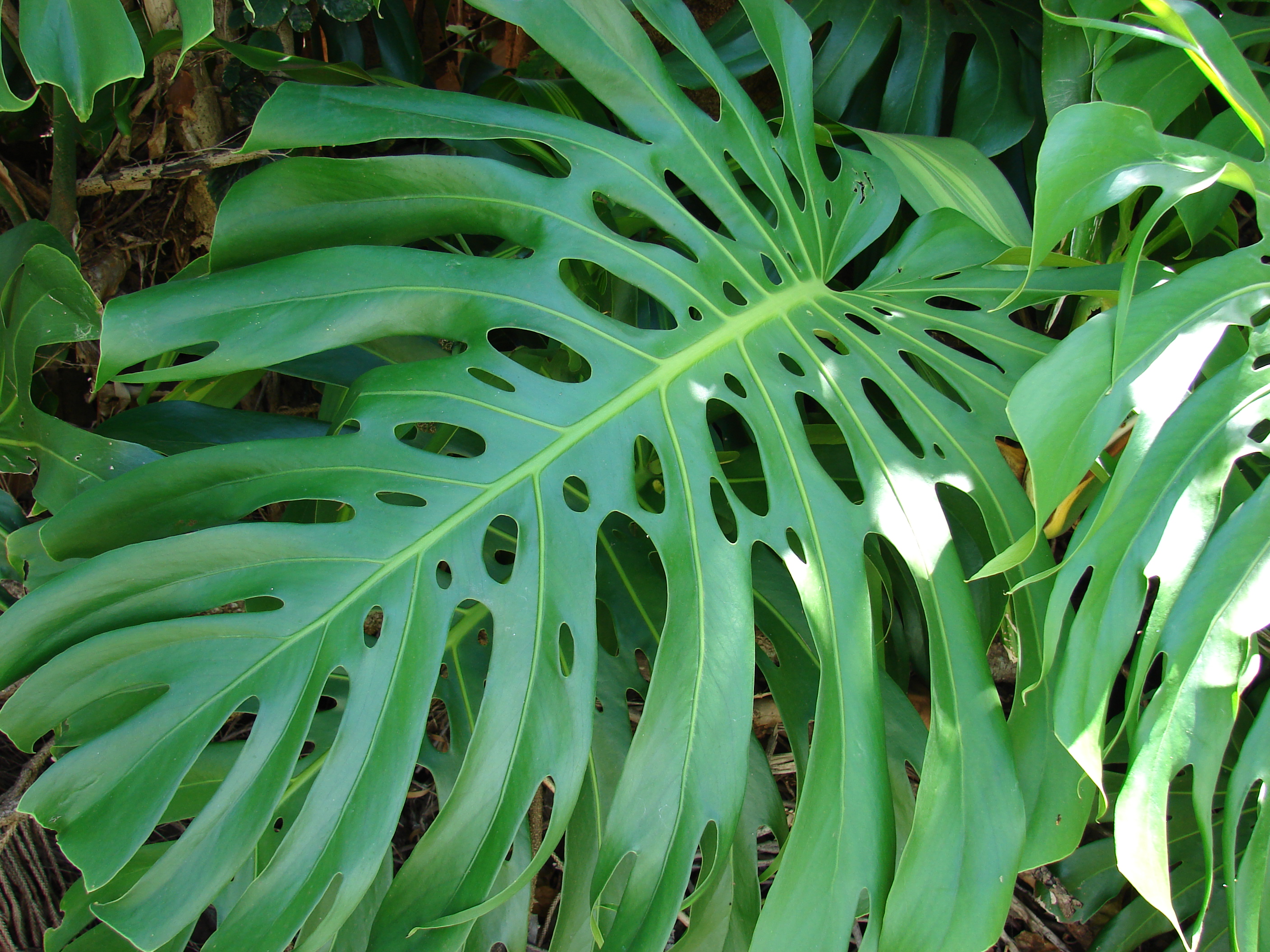
Monsteras sit comfortably in the moderate-thirst middle of the houseplant range. They want a thorough watering when the top 2–3 cm of soil have dried — typically every 7–14 days in normal indoor conditions. Their thick stems and aerial roots store some water, so they tolerate a missed week, but they don’t love it. The signs of underwatering — drooping leaves, dry brown leaf edges, slower new-leaf production — develop slowly over 10–14 days of complete neglect, which means a typical vacation sits right at the edge of what a Monstera will tolerate unaided.
02 · HOW LONG
How long can a Monstera go without water?
A healthy Monstera in a medium pot holds about 10–14 days unaided in normal indoor conditions before stress shows. Older specimens in larger pots last longer because the bigger soil volume buffers them; young plants in small pots dry faster. With a filled AcquaTerra spike, that window extends to 10–16 days reliably, with up to 20 days in cool, shaded conditions. So one filled spike covers most trips up to two weeks; trips of three weeks need two spikes or a top-up.
03 · THE OPTIONS
Best methods for a Monstera on vacation
Monsteras pair well with a terracotta watering spike because their preference for soak-and-dry cycles matches how the clay releases water — gradually, only when the soil has dried enough to draw moisture through. Here are the options, ranked for a Monstera specifically.
01 · Terracotta spike
All-round fit
The AcquaTerra’s 17.5 oz reservoir covers 10–16 days, matching moderate-thirst plants on a typical 1–2 week trip.
02 · Pre-trip soak only
Short trips
For trips of 3–5 days, a thorough watering before leaving is often enough if the room is kept cool and shaded.
03 · Two spikes
Longer trips
For 2–3 week trips, run two spikes per pot to roughly double the available water and stretch the duration.
04 · Watering globe
Less consistent
Globes release on air pressure rather than soil moisture, making their duration unpredictable. A terracotta spike is steadier.
The terracotta spike leads for this plant because its clay releases water only as the soil dries — matching supply to the plant’s actual needs.1
04 · THE SETUP
Setup — 5 minutes for a Monstera
The AcquaTerra installs in about five minutes per pot. Its 17.5 oz reservoir covers 10–16 days for a typical Monstera in normal indoor conditions.
01 · Soak the spike
Submerge the terracotta in water for 15 minutes to prime the porous clay before installing in the pot.
02 · Water the pot
Give the Monstera a normal thorough watering first. The spike maintains moisture — it doesn’t rescue dry soil.
03 · Make the hole
Use the included wooden dibber to open a hole near the pot edge, away from the main stem and roots.
04 · Insert & fill
Seat the spike, firm the soil around it, then fill the 17.5 oz reservoir to the top.
05 · Cap & group
Close the lid to keep bugs out, then group pots together out of direct sun to slow water loss.
For longer trips
Two weeks or more? Run two spikes per pot and lower the room temperature to extend the reservoir.
05 · THE PREP
A pre-trip checklist for your Monstera
These small adjustments lower the Monstera’s water demand so the reservoir lasts longer. Apply them on departure day.
- Move plants out of direct sun. Bright indirect light keeps plants alive without driving the rapid transpiration that empties a reservoir early.
- Lower the thermostat a few degrees. Cooler rooms transpire more slowly, so the same reservoir lasts noticeably longer over the trip.
- Group pots together. Clustered plants raise the humidity around one another, slowing evaporation from soil and leaves alike.
- Skip fertilizer before you leave. Don’t feed within a couple of days of departure; concentrated feed in drying soil can scorch roots.
- Water thoroughly on departure day. A self-watering spike maintains moisture; it works best starting from a properly watered pot.
06 · WHEN IT GOES WRONG
Troubleshooting your Monstera on return
Yellowing lower leaves on return usually mean the soil dried for too long — trim the affected leaves and resume normal watering, and the plant will recover within weeks. Drooping but firm leaves are mild thirst and bounce back after one good watering. Soft, mushy stems are the dangerous symptom: that’s overwatering, which means the spike was over-supplying in soil that was already wet, or the pot drains poorly. Check drainage and let the soil dry out completely before resuming a normal watering schedule.
How to water a Monstera while on vacation comes down to matching its soak-and-dry rhythm. A single AcquaTerra spike covers a 1–2 week trip with comfortable margin; two spikes handle three weeks. Keep the pot out of direct sun and lower the room temperature slightly to push the reservoir to the top of its range. Done.
FAQ · COMMON QUESTIONS
Frequently Asked Questions
How do you water a Monstera while on vacation?
Install a single AcquaTerra terracotta spike with the 17.5 oz reservoir filled. The clay releases moisture as the soil dries, covering a typical Monstera for 10–16 days. Water the plant thoroughly before leaving and move it out of direct sun to extend the reservoir.
How long can a Monstera go without water?
A healthy Monstera in a medium pot holds 10–14 days unaided in normal indoor conditions. Larger pots last longer because of the bigger soil volume; small pots dry faster. With a terracotta spike, that extends to 10–16 days reliably.
Will my Monstera die if I go on vacation for 2 weeks?
Probably not, but it may show stress — yellowing lower leaves or drooping — if left unaided. A single terracotta spike covers two weeks comfortably and prevents the visible damage, leaving the Monstera looking as healthy as when you left.
How often should you water a Monstera?
Water a Monstera when the top 2–3 cm of soil have dried — typically every 7–14 days indoors, less in winter when growth slows. The exact frequency depends on pot size, light, and humidity, so check the soil rather than following a strict schedule.
Do Monsteras like wet soil?
No — Monsteras prefer a soak-and-dry cycle. Their roots need to breathe between waterings, so constantly wet soil leads to root rot. The terracotta spike matches this preference by releasing water only as the soil dries, never keeping it saturated.
Can you use a watering globe on a Monstera?
You can, but it’s less reliable than a terracotta spike. Globes release on air pressure rather than soil moisture, so they often empty fast or clog in dense Monstera soil. A spike releases as the soil dries, which matches a Monstera’s needs more naturally.
Should you move a Monstera before going on vacation?
Move it out of direct sun into bright indirect light, and away from radiators or air vents. These adjustments lower water demand and can extend a single reservoir fill by several days. Direct sun on a Monstera while you’re away accelerates drying and risks crispy leaf edges.
What happens if a Monstera dries out completely?
Drooping leaves recover quickly after a good watering — mild drought isn’t fatal. Crispy brown leaf edges don’t recover but new growth will hide them. Complete soil dryness for over two weeks can cause permanent root damage, which is why a self-watering spike is worth installing for longer trips.
References
01 Bainbridge, D. A. (2001). “Buried clay pot irrigation: a little known but very efficient traditional method of irrigation.” Agricultural Water Management, 48(2), 79–88. DOI: 10.1016/S0378-3774(00)00119-0
02 University of Minnesota Extension. “Watering houseplants.” UMN Extension. extension.umn.edu