

How Often to Water Lavender
Lavender (Lavandula spp.) is a Mediterranean drought-adapted herb, and the most common cause of lavender death is overwatering[1][2]. Owners accustomed to typical garden plant care water lavender weekly or more, then watch their plants decline over months as roots rot in conditions the plant never evolved to tolerate. This guide tells you exactly how often to water lavender based on horticultural research, what varies by species (English vs. French vs. Spanish lavender), and the cultural practices that produce healthy long-lived plants.
Water established lavender every 7–14 days during the growing season — sometimes longer in cool climates. Newly planted lavender needs more frequent watering (every 2–4 days for the first month). Lavender prefers infrequent deep watering on well-draining soil. Overwatering kills more lavender than any other cause.
01 · THE SIMPLE ANSWER
How often to water lavender
Established lavender (year 2+) needs water every 7–14 days during the growing season, with longer intervals in cool or humid climates and shorter intervals in hot arid climates[1][3]. Newly planted lavender needs substantially more frequent watering — every 2–4 days for the first month while roots establish — then transitions to the established schedule.
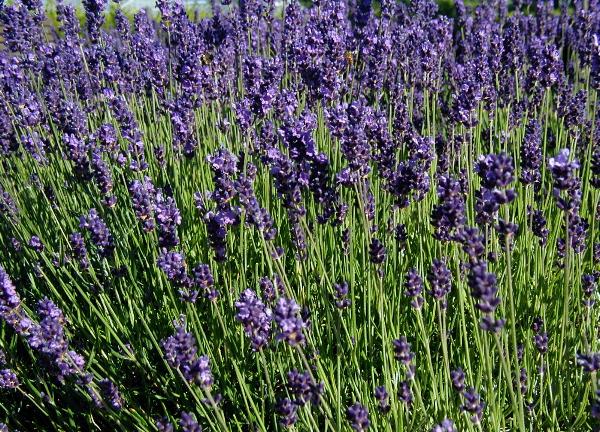
Lavandula is a genus of about 47 species native to the Mediterranean basin, Macaronesia, the Middle East, and northeastern Africa[4][5]. The wild habitat is rocky, dry, alkaline soil under intense summer sun. Lavender plants evolved silvery hairs on their leaves to reflect sunlight and reduce water loss, deep taproots to access groundwater, and resin-coated leaves that minimize transpiration. All of this is adaptation for drought tolerance — not a preference for damp moist conditions.
The single most important lavender watering principle is “less is more.” Watering established lavender like a typical garden plant kills it through root rot. The plant signals it’s thirsty visibly before serious damage, so use the finger test rather than the calendar.
02 · THE BOTANY
Why lavender needs so little water
Lavender’s drought adaptations are among the most thorough in cultivated herbs. The silvery hairs (trichomes) covering young leaves reflect light and reduce surface temperature, lowering water loss[6]. The deep taproot system reaches 18–30 inches downward in good soil, accessing moisture below the surface drying zone[7]. The resinous oils that give lavender its characteristic scent also coat the leaf surface and reduce transpiration.
Combined, these adaptations mean lavender uses dramatically less water than typical garden herbs. A mature lavender plant in well-drained Mediterranean conditions may need supplemental watering only during the driest summer months — perhaps 3–5 deep waterings across an entire growing season.
Lavender also requires excellent drainage. The plant’s root system cannot tolerate waterlogged conditions, and the soil-borne pathogens (Phytophthora, Fusarium) that cause root rot are nearly always present in damp heavy soils[8][9]. Sandy or gravelly soils that drain freely produce the longest-lived lavender plants; clay or compacted soils typically kill them within 2–3 years.
Species vary slightly in their drought tolerance. English lavender (L. angustifolia) is the most cold-tolerant and most drought-tolerant once established. French lavender (L. dentata) and Spanish lavender (L. stoechas) are slightly less hardy and may need slightly more consistent moisture in dry summers.
03 · SEASONAL SCHEDULE
Lavender watering schedule by season
Lavender water needs change substantially across the year, with most active growth in spring through midsummer and minimal demand in fall and winter dormancy[1][3].
01 · Spring (Mar–May)
Every 7–10 days
Growth resumes from dormancy. Light watering supports new growth and bud development.
02 · Summer (Jun–Aug)
Every 7–14 days
Peak bloom season. Established plants need less than newcomers expect. Deep infrequent watering.
03 · Fall (Sep–Nov)
Rarely — only if very dry
Reduce watering to prepare for winter. Excess fall water encourages winter root damage.
04 · Winter (Dec–Feb)
None outdoors; rare indoors
Dormant outdoor lavender needs no water beyond rainfall. Indoor potted lavender needs minimal watering.
04 · FACTORS THAT MATTER
Six factors that change how often you water lavender
Establishment year vs. mature plant: First-year lavender needs watering every 2–4 days for the first month. Year 2+ plants follow the every 7–14 day schedule with much less attention required.
Species: English lavender (L. angustifolia) is the most drought-tolerant. French and Spanish lavender slightly less so but still drought-adapted compared to typical garden plants.
Soil type: The single biggest variable for lavender health. Sandy, gravelly, or amended well-draining soil supports the proper watering schedule. Heavy clay soils kill lavender even with reduced watering. Amend planting holes with coarse sand or grit if your native soil is clay-heavy.
Climate: Arid Mediterranean climates (California, parts of Texas, the inland Southwest) support proper lavender growth. Humid climates (the Southeast, Pacific Northwest) require modifications — raised beds, well-drained soil, and extra-careful watering.
Container vs. in-ground: Container lavender dries faster but still requires excellent drainage. Use cactus or succulent potting mix amended with extra perlite. Avoid water-retentive standard houseplant soil.
Mulching: Light gravel mulch around lavender (white or light-colored) reflects heat and reduces moisture loss without trapping humidity around the crown. Avoid organic mulches like wood chips that retain too much moisture against the plant.
05 · UNDERWATERING SIGNS
Signs your lavender needs water
Lavender tolerates underwatering exceptionally well. The signs of legitimate thirst are subtle but reversible.[10]
- Leaves lose their silvery sheen and look duller. Earliest visible sign of moisture stress. The silvery reflection of healthy lavender comes from leaf hairs; dehydration changes their appearance.
- Lower leaves drop or yellow. Chronic drought causes the plant to sacrifice oldest leaves. A few dropped leaves is normal; significant drop indicates water need.
- Reduced bloom and shorter flower spikes. Drought-stressed lavender produces fewer and shorter flower spikes.
- Slight wilt during hottest part of day. Some afternoon wilt is normal in hot weather. Persistent wilt that doesn’t recover overnight indicates legitimate drought stress.
06 · OVERWATERING SIGNS
Signs you’ve overwatered your lavender
Overwatering is the leading cause of lavender death.[8][11]
- Yellow leaves throughout the plant. Different from drought yellowing. Overwatering yellowing affects multiple leaves at once and progresses quickly. Root rot is already underway.
- Black or blackened lower stems. Crown rot at the soil line. Once visible, the plant has often progressed beyond recovery.
- Wilting despite wet soil. Counterintuitive but characteristic of root rot. The plant looks thirsty because damaged roots can’t take up the available water.
- Slow growth and reduced bloom. Chronic mild overwatering produces stunted growth and weak flowering before plant decline.
Lavender rarely recovers from advanced root rot. Prevention through proper drainage and infrequent watering is far more important than recovery techniques. See how to stop overwatering houseplants for general protocols.
07 · THE METHOD
How to actually water lavender
Water deeply at the base of the plant, allowing soil to dry meaningfully between waterings. For established in-ground lavender, this means 1–2 gallons per deep watering per plant[3]. Container lavender needs less — about 1 cup (240 ml) for a 6-inch pot.
Water in the morning when possible. Morning watering lets any incidental leaf moisture evaporate during the day, reducing fungal disease risk.
Never water lavender from overhead sprinklers in humid climates. Wet foliage promotes the fungal diseases that lavender is especially vulnerable to[8].
In hot arid climates, olla irrigation can work for established lavender if installed properly — deep buried ollas releasing water slowly are far better than surface irrigation. See ollas for hot weather and arid climates for arid climate setup. Avoid ollas in humid climates where the constant moisture around the rootball causes problems.
08 · AWAY FROM HOME
Watering your lavender while you’re away
Established lavender is among the easiest garden plants to leave during travel. The plant’s drought tolerance means a 1–3 week summer absence usually requires no special preparation beyond ensuring the plant was watered recently. Container lavender in small pots may need attention if absences exceed 7–10 days in hot weather.
For arid climate gardens with extended summer absences, properly installed deep ollas can maintain consistent root-zone moisture without surface saturation. See ollas for hot weather and arid climates for arid climate setup. Avoid this approach in humid climates.
The most common lavender vacation watering mistake: over-watering before leaving “to be safe.” Lavender doesn’t need extra water and excess moisture during your absence often causes the root rot that ends the plant’s life. If you watered within the past week, just go — the plant will be fine.
ACQUA OLLA
Slow deep release for established arid-climate lavender — not for daily care.
Shop Acqua Olla →Lavender wants less water than gardeners typically give it. Water established plants every 7–14 days during growing season, with longer intervals in cool or humid climates. Provide excellent drainage above all else. Watch for yellow leaves and persistently wet soil as overwatering signs. When in doubt, wait. For broader olla education, see best plants for olla irrigation.
Frequently asked questions
How often should I water lavender?
Established lavender (year 2+) needs watering every 7–14 days during the growing season. Newly planted lavender needs more frequent watering — every 2–4 days for the first month.
How do I know when my lavender needs water?
Stick a finger 2–3 inches into the soil at the drip line. If completely dry, water. Lavender tolerates substantial drought before showing stress — underwatering is rarely the problem.
How often to water lavender in pots?
Container lavender needs watering every 5–10 days in summer depending on pot size and climate. Use cactus or succulent potting mix amended with extra perlite for proper drainage.
How often to water lavender in summer?
Every 7–14 days for established plants. Hot arid climates may need watering every 5–7 days. Cool or humid climates may need watering only every 14–21 days.
Can I overwater lavender?
Yes — overwatering is the most common cause of lavender death. The plant evolved in dry conditions and cannot tolerate consistently moist soil. Excellent drainage matters more than watering frequency.
How often to water newly planted lavender?
Every 2–4 days for the first month while roots establish. After establishment, transition to every 7–14 days. First-year care is much more demanding than mature plant care.
Why is my lavender turning yellow?
Yellow leaves throughout the plant usually indicate overwatering and root rot. The plant evolved in dry conditions and reacts quickly to excess moisture. Reduce watering immediately and improve drainage if possible.
Does lavender need full sun?
Yes — lavender requires 6+ hours of direct sun and well-drained soil for proper growth. Insufficient sun combined with damp conditions kills lavender quickly.
References
- [1] Royal Horticultural Society. (n.d.). Lavandula / RHS Gardening. rhs.org.uk.
- [2] Upson, T., & Andrews, S. (2004). The Genus Lavandula. Royal Botanic Gardens Kew.
- [3] Missouri Botanical Garden. (n.d.). Lavandula angustifolia — Plant Finder. missouribotanicalgarden.org.
- [4] Demasi, S., et al. (2018). Deficit irrigation in Lavandula angustifolia. Scientia Horticulturae, 235, 110–118.
- [5] Tucker, A.O., & DeBaggio, T. (2009). The Encyclopedia of Herbs. Timber Press.
- [6] Charles, D.J., & Simon, J.E. (1992). A new geraniol chemotype of Ocimum gratissimum. Journal of Essential Oil Research, 4(3), 231–234. (Reference for essential oil chemistry in Lamiaceae.)
- [7] UC Davis Cooperative Extension. (2019). Lavender growing in California. ucanr.edu.
- [8] Daughtrey, M.L., & Benson, D.M. (2005). Principles of plant health management. Annual Review of Phytopathology, 43, 141–169.
- [9] Oregon State University Extension. (2020). Growing Lavender in Oregon. extension.oregonstate.edu.
- [10] Texas A&M AgriLife Extension. (2019). Lavender cultivation. aggie-horticulture.tamu.edu.
- [11] Penn State Extension. (2020). Herbs in the home garden. extension.psu.edu.
- [12] Cornell Cooperative Extension. (2020). Lavender for the home garden. cce.cornell.edu.
- [13] USDA Agricultural Research Service. (2023). GRIN: Lavandula angustifolia. npgsweb.ars-grin.gov.
- [14] Bainbridge, D.A. (2001). Buried clay pot irrigation. Agricultural Water Management, 48(2), 79–88.
- [15] Royal Botanic Gardens, Kew. (n.d.). Lavandula L. powo.science.kew.org.