

Best Indoor Plants for Self Watering Drip Spikes
Not every houseplant responds the same way to a self-watering drip spike. Some thrive with the steady, consistent moisture. Others prefer to dry out. Here’s the plant-by-plant breakdown.
Self-watering drip spikes are one of the simplest ways to keep indoor plants hydrated without daily attention. But choosing the right plants for the system matters as much as the device itself. Plants that prefer consistently moist soil — tropical foliage, herbs, ferns, and many flowering houseplants — are the best candidates. Plants that need their soil to dry completely between waterings, like succulents and cacti, are not.
This guide covers the best indoor plants for self-watering drip spikes like the BabaBerry Dynamic Dripper, organized by how well they respond to slow, adjustable drip watering. The Dynamic Dripper’s adjustable flow control valve lets you dial in a different drip rate for each plant — so you can tailor the delivery to each species’ actual water needs from a single 3-pack.
20 oz
Reservoir capacity
Standard bottle size that ships with each spike, refillable without removal.
3-pack
Three drip rates
Set a different drip rate for each plant in your home from a single set.
4–30
Days per fill
Coverage range across drip-rate settings, from thirsty ferns to drought-tolerant snake plants.
01 · Top Tier
Plants that thrive with self-watering drip spikes
Pothos (Epipremnum aureum)


Pothos is the ideal starter plant for self-watering drip spikes. It prefers consistently moist soil but tolerates slight over- or under-watering without drama. A slow drip rate — about 1 drop every 60–90 seconds — keeps the root zone evenly moist without waterlogging.1 Set the Dynamic Dripper to a moderate rate and expect 8–17 days of coverage per fill.
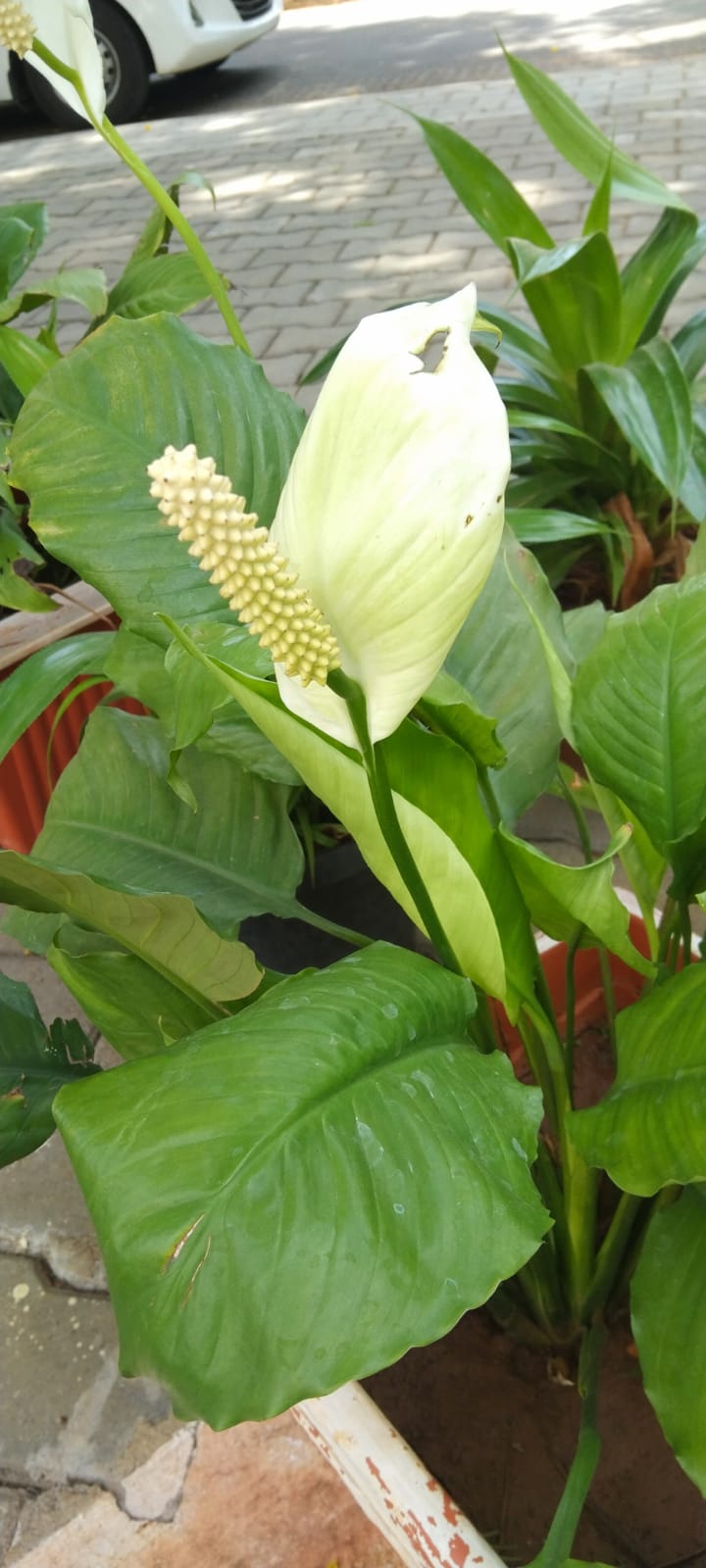

Peace lily (Spathiphyllum)
Peace lilies wilt dramatically when too dry and recover within hours of watering. A self-watering drip spike eliminates the wet-dry cycle entirely. Set the adjustable drip rate to a medium flow (1 drop every 30–60 seconds) for consistently moist soil. Peace lilies in low-light conditions need less water, so dial the rate slower.
Monstera (Monstera deliciosa)
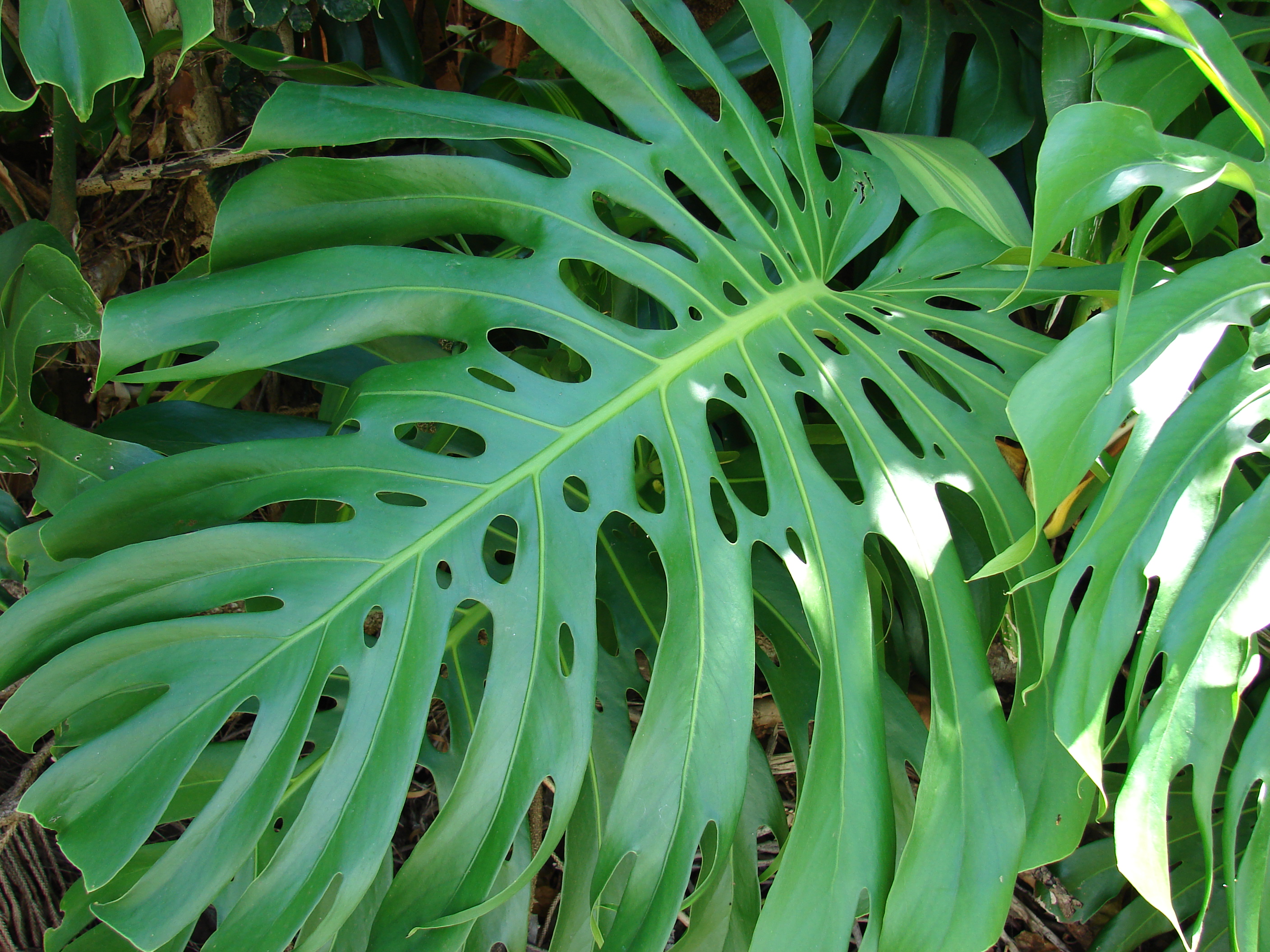

Monstera deliciosa prefers soil that stays lightly moist but never soggy. A self-watering drip spike set to a moderate rate (1 drop every 60–90 seconds) provides the steady moisture monstera prefers. The Dynamic Dripper’s 20 oz capacity is particularly useful for large monstera in 10–14 inch pots.
Spider plant (Chlorophytum comosum)


Spider plants produce the most plantlets and maintain the greenest foliage when watered consistently. Brown leaf tips are often caused by inconsistent watering. A drip spike set to 1 drop every 90–120 seconds is usually right.
Nerve plant (Fittonia)


Fittonia is the plant that faints when dry. Self-watering drip spikes are essentially purpose-built for nerve plants.
Fittonia leaves go fully limp within hours of soil drying out, then perk up the moment they get water. The performance is dramatic and stressful for the plant. Set the Dynamic Dripper to 1 drop every 30–45 seconds and keep the soil consistently moist.


Philodendron
Most philodendron species prefer evenly moist soil and respond well to self-watering drip spikes. A moderate drip rate (1 drop every 60–90 seconds) works for most philodendrons. Vining types in hanging baskets dry out faster than upright types and need a slightly faster rate.
02 · Slow Setting Only
Plants that work with drip spikes at the slowest setting


Snake plant (Sansevieria trifasciata)
Snake plants prefer their soil to dry between waterings. They’re more likely to be killed by overwatering than underwatering. They work with a drip spike only at the slowest setting — 1 drop every 2–3 minutes. At this rate the Dynamic Dripper’s 20 oz reservoir can last 25–30 days. For drought-tolerant plants generally, manual watering on a schedule is often simpler than dialing a drip valve to nearly nothing.
03 · Quick Reference
Drip rate by plant
| Plant | Drip rate | Duration (20 oz) | Soil preference |
|---|---|---|---|
| Pothos | 1 drop / 60–90 sec | 8–12 days | Evenly moist |
| Peace lily | 1 drop / 30–60 sec | 4–8 days | Consistently moist |
| Monstera | 1 drop / 60–90 sec | 8–12 days | Lightly moist |
| Spider plant | 1 drop / 90–120 sec | 12–17 days | Moist, not wet |
| Nerve plant | 1 drop / 30–45 sec | 4–6 days | Always moist |
| Philodendron | 1 drop / 60–90 sec | 8–12 days | Evenly moist |
| Snake plant | 1 drop / 120–180 sec | 17–25 days | Dry between waterings |
HOW TO SET THE DRIP RATE
Assemble the Dynamic Dripper, fill the reservoir, insert the spike into pre-moistened soil, and turn the flow knob slowly. Use your phone’s stopwatch to count seconds between drops and micro-adjust until you hit your target interval. The University of Minnesota Extension recommends matching watering frequency to each plant’s actual needs rather than a fixed schedule — the adjustable valve makes this practical for a mixed collection.2
04 · The Bottom Line
Tropical foliage wins
The best indoor plants for self-watering drip spikes are moisture-loving tropical foliage — pothos, peace lilies, monstera, philodendrons, ferns, and nerve plants. These species evolved in environments with regular rainfall and respond well to the steady moisture a drip spike delivers. Drought-tolerant plants like snake plants, ZZ plants, and succulents work only at the slowest settings, and even then are usually better off with traditional manual watering on a schedule.
If you have a mixed collection, a Dynamic Dripper 3-pack covers three different plants at three different drip rates — the right tool when one watering schedule doesn’t fit every plant in your home.
References
01 University of Florida IFAS Extension. “Watering Your Indoor Plants.” gardeningsolutions.ifas.ufl.edu
02 University of Minnesota Extension. “Watering Houseplants.” extension.umn.edu