

10 Plants That Thrive with Terracotta Olla Watering
Not all plants respond equally to terracotta olla irrigation — but for these 10, it’s the closest thing to ideal growing conditions you can provide.
The principle behind terracotta olla watering is simple: unglazed clay releases water in response to soil moisture tension, delivering consistent, low-level hydration directly to plant roots with no surface evaporation, no runoff, and no timer. But the plants that benefit most from olla watering share a specific profile — they prefer consistent moisture rather than wet-dry cycles, have fibrous root systems that seek out buried moisture sources, and are sensitive to foliage wetness (which sprinklers cause and ollas eliminate entirely).
Below are 10 vegetables, herbs, and fruits that consistently thrive with terracotta olla watering — organized by how they respond to the olla’s self-regulating delivery and why the match works. For the broader framework on which plants work with ollas (including the ones to avoid), see our complete olla compatibility guide.
10 plants
Documented olla performers
Tomatoes, peppers, herbs, cucurbits, berries, and more.
1 olla
Serves a 4×4 bed
Single Acqua Olla, 18+ inch watering radius, center position.
Up to 35 days
Per fill in moderate conditions
Less in peak summer heat; more in spring and fall.
Quick Reference
The top 10 at a glance
| # | Plant | Why it thrives with olla watering |
|---|---|---|
| 01 | Tomatoes | Prevents blossom end rot and cracking. Roots wrap densely around olla. |
| 02 | Peppers | Prevents BER. Mild water stress enhances capsaicin in hot varieties. |
| 03 | Zucchini / squash | Heavy water user. Olla prevents powdery mildew by keeping foliage dry. |
| 04 | Cucumbers | 96% water by weight. Drought stress causes bitter fruit; olla prevents it. |
| 05 | Basil | Finicky about water. Olla prevents wilting AND root rot; boosts essential oils. |
| 06 | Eggplant | Moisture stress makes flesh bitter. Deep roots reach olla zone perfectly. |
| 07 | Melons | Self-regulating moisture reduction at ripening produces sweeter fruit. |
| 08 | Green beans | Consistent moisture during pod fill prevents tough, fibrous pods. |
| 09 | Lavender | Killed by overwatering; olla only delivers when soil is truly dry. |
| 10 | Strawberries | Plump, evenly ripened fruit. Eliminates gray mold from wet foliage. |
Tomatoes

Tomatoes are the definitive olla crop. They are among the most water-sensitive vegetables in the home garden — inconsistent watering leads directly to blossom end rot (caused by calcium deficiency triggered by moisture fluctuation) and fruit cracking (caused by sudden moisture surge after dry periods). Both problems are dramatically reduced or eliminated with terracotta olla watering, which maintains the steady, consistent soil moisture tomatoes need throughout the growing season.
Research documented by Bainbridge (2001) consistently shows tomato roots developing dense mats directly against the exterior surface of buried ollas — the roots find the consistent moisture source and concentrate their growth there.1 A single Acqua Olla placed within 12–18 inches of a tomato plant in a raised bed can sustain the plant through weeks of dry weather without supplemental watering.
OLLA TIP
For indeterminate (vining) tomatoes, position the olla at planting time before the plant gets large. Bury to the glazed neck, fill, cap, and let the roots find the moisture.
Peppers
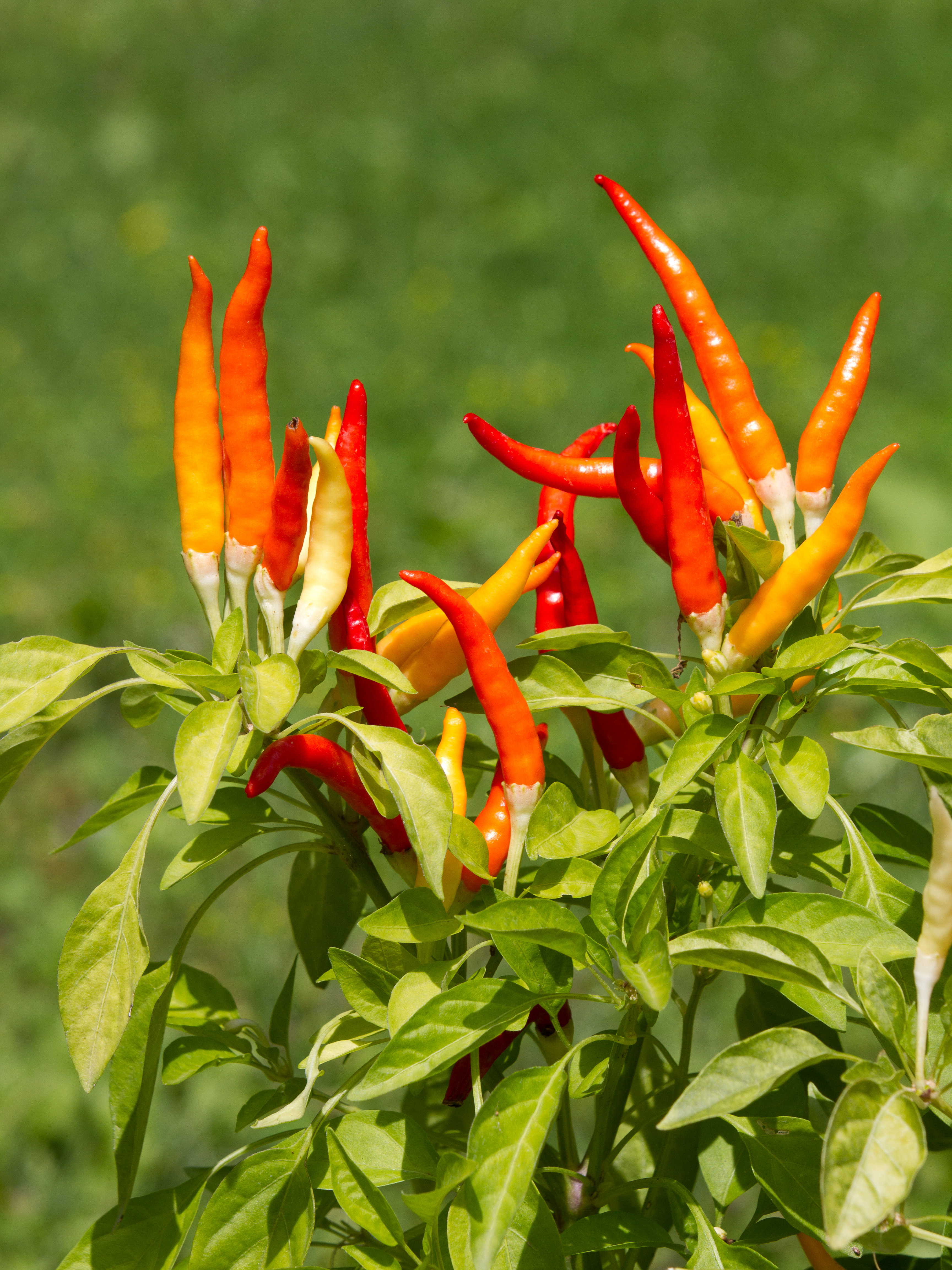
Bell peppers, chili peppers, and sweet peppers all respond extremely well to olla irrigation. Like tomatoes, peppers are prone to blossom end rot from inconsistent moisture. They also develop more intense flavor — particularly in hot varieties — when subjected to mild, consistent water stress rather than either drought or overwatering. The olla’s self-regulating behavior provides this naturally.
Pepper roots are shallower than tomato roots and benefit from moisture delivery concentrated in the top 6–10 inches of soil — exactly where an olla’s moisture radius is most dense. In a 4×4 raised bed, two ollas placed at the quarter points can service a full planting of 8–12 pepper plants.
OLLA TIP
Peppers are heavy feeders but moderate water users. Refill the olla when the water level drops by about half — don’t let it run completely dry between fills.
Zucchini and summer squash

Zucchini and summer squash are heavy water users highly susceptible to powdery mildew — a fungal disease promoted by foliage wetness from overhead watering, which ollas completely eliminate. An olla positioned at the center of a squash mound delivers moisture directly to the root zone while keeping leaves and stems completely dry.
Dry spells during flowering and fruit development cause squash fruit to abort or produce misshapen, bitter fruit. Consistent terracotta olla watering eliminates this risk. A single large Acqua Olla at the center of a squash hill can sustain two to three plants through extended dry periods.
OLLA TIP
Squash has large leaves that shade the soil. Position the olla before mulching — the combination of olla irrigation and a 2-inch mulch layer dramatically reduces refill frequency.
Cucumbers
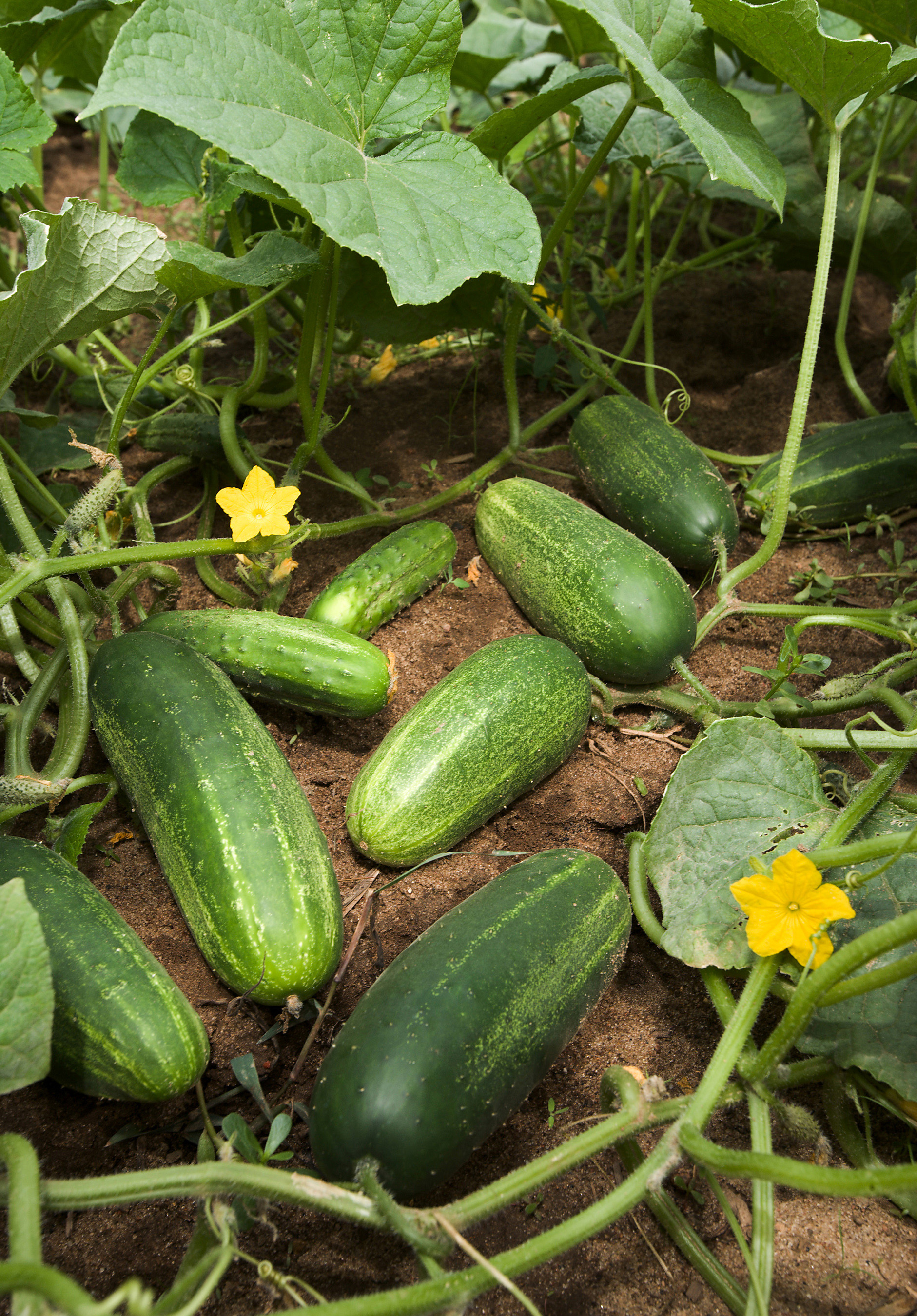
Cucumbers are 96% water by weight, and they need consistent moisture throughout the growing season. Drought stress at any point during fruit development produces bitter cucumbers — a result of cucurbitacin compound concentration triggered by water deprivation. Terracotta olla watering prevents this entirely by maintaining steady soil moisture from planting through harvest.
OLLA TIP
For trellised cucumbers, position the olla 6–8 inches from the base of the plant. The trellis keeps foliage off the ground while the olla keeps roots consistently hydrated below.
Basil

Basil is famously finicky about water. It wilts dramatically when too dry and develops root rot when too wet. Overhead watering promotes the fungal diseases that devastate basil crops. The olla’s subsurface delivery addresses all three problems simultaneously. Basil grown with terracotta olla watering also develops more aromatic essential oils — the mild, consistent water stress stimulates volatile oil production in the leaves.
OLLA TIP
Basil in containers responds well to AcquaTerra terracotta spikes, which provide the same self-regulating moisture delivery at container scale.
The plants on this list don’t want abundance. They want consistency. That’s what the olla actually delivers.
Eggplant

Eggplant rewards consistent moisture with steady fruit production through the long summer. Moisture stress during fruit development causes bitter, seedy flesh. Eggplant roots reach 18–24 inches below the soil surface in loose garden beds — an olla buried 8–10 inches deep delivers moisture into this root zone precisely. The extended season of eggplant makes the olla’s reduction in watering labor especially valuable.
OLLA TIP
Eggplant pairs well with mulch and olla irrigation together. A 2–3 inch straw layer over the olla dramatically extends the interval between fills.
Melons
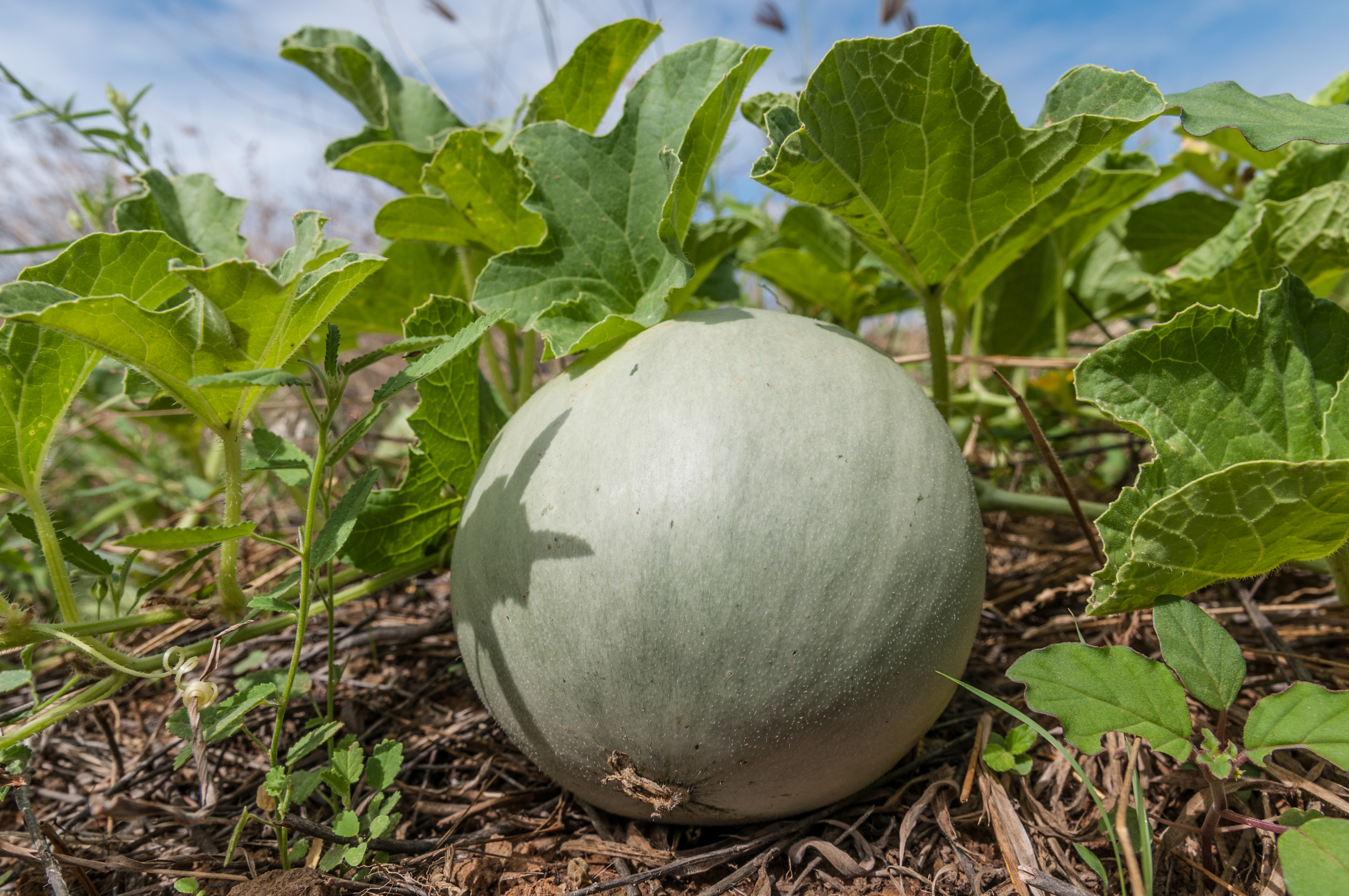
Melons need consistent moisture during fruit development and then a reduction as fruit approaches maturity. Olla irrigation naturally accommodates this pattern: as the plant reduces its water demand during ripening, the olla’s self-regulating mechanism slows delivery accordingly. The result is sweeter, more flavorful fruit — concentrated sugars develop when water stress gently increases at the right moment.
OLLA TIP
For large melons like watermelon, consider two ollas per hill (one on each side of the planting mound) to ensure even root zone coverage.
Green beans

Green beans benefit from consistent moisture during pod set and fill. Drought stress during flowering causes flowers to drop; moisture stress during pod fill produces small, tough, fibrous pods. Olla irrigation maintains steady moisture without the risk of overwatering that can promote root rot in beans.
OLLA TIP
Beans fix their own nitrogen through root nodules — they don’t need heavy fertilization. This makes them ideal companion plants around ollas.
Lavender
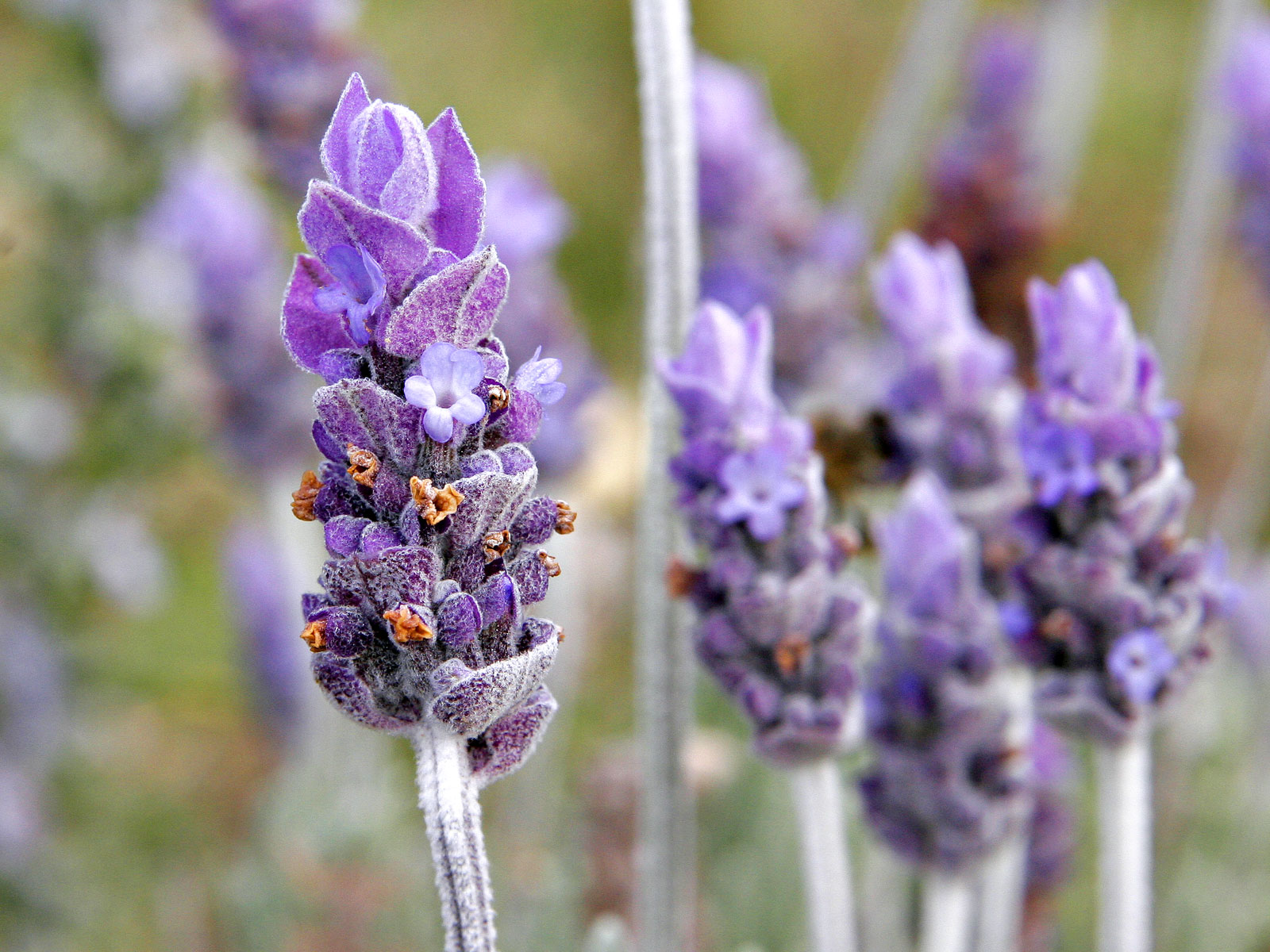
Lavender is killed more often by overwatering than by drought — and this is where the olla’s self-regulation provides its most elegant advantage. In moist conditions, the clay releases very little water because soil moisture tension is low. The olla only increases delivery when the soil dries significantly — providing exactly the low-and-consistent moisture lavender requires.
OLLA TIP
For lavender in ground beds, bury the olla slightly deeper than for vegetables — 10–12 inches — so moisture stays well below the crown to prevent crown rot.
Strawberries

Strawberries need consistent moisture for plump, evenly ripened fruit. They’re susceptible to gray mold (Botrytis) when foliage and fruit are wet from overhead irrigation. And their fibrous, shallow root systems respond strongly to buried moisture sources, wrapping densely around olla exteriors as documented by Bainbridge (2001).1 A single Acqua Olla can service 6–8 strawberry plants in a 4×4 bed. In containers, AcquaTerra spikes provide consistent moisture to container strawberries.
OLLA TIP
Position the olla before planting to avoid disturbing strawberry crowns. The berries will grow around the olla and their runners will spread outward.
The Pattern
The common thread: consistency over abundance
Every plant on this list shares the same core preference: consistent, moderate, subsurface moisture rather than wet-dry cycles from overhead or surface irrigation. Terracotta olla watering provides exactly this. Its self-regulating clay walls deliver water in proportion to soil moisture demand — more when dry, less when moist, never so much that roots suffocate and never so little that plants stress.2
Self-regulating delivery in proportion to demand — more when dry, less when moist. That’s what makes the olla’s shortlist so reliably broad.
For raised bed gardeners, the BabaBerry Acqua Olla covers a 4×4 bed from a single central installation. For containers, pots, and indoor plants, the AcquaTerra terracotta watering spikes bring the same self-regulating clay technology to any size container. Both work on the same principle of terracotta olla watering that has produced thriving gardens in dry climates for 4,000 years.
FAQ
Top plants for olla watering: common questions
What is the #1 best plant for olla watering?
Tomatoes are the definitive olla crop. They are among the most water-sensitive vegetables in the home garden — inconsistent watering leads directly to blossom end rot (calcium deficiency triggered by moisture fluctuation) and fruit cracking (sudden moisture surge after dry periods). Olla irrigation eliminates both problems by maintaining the steady soil moisture tomatoes need. Tomato roots are documented to develop dense mats directly against the exterior surface of buried ollas (Bainbridge 2001).
Are olla pots good for strawberries?
Yes — strawberries are an excellent match for olla irrigation. They need consistent moisture for plump, evenly ripened fruit, and they’re susceptible to gray mold (Botrytis) when foliage and fruit are wet from overhead watering. Their fibrous, shallow root systems respond strongly to buried moisture sources. A single Acqua Olla can service 6–8 strawberry plants in a 4×4 bed. Position the olla before planting to avoid disturbing strawberry crowns.
Do ollas work for herbs like basil and mint?
Yes — most culinary herbs prefer the consistent soil moisture that ollas provide. Basil in particular is famously finicky about water: it wilts dramatically when dry and develops root rot when too wet. The olla’s self-regulating subsurface delivery solves both problems and prevents the fungal diseases that overhead watering causes. Mediterranean herbs like rosemary and lavender prefer drier conditions but still benefit from the olla because it only delivers water when the soil is genuinely dry. For container herbs, an AcquaTerra terracotta spike provides the same self-regulating mechanism at smaller scale.
Can I grow tomatoes with olla irrigation?
Tomatoes are arguably the best crop for olla irrigation. Bainbridge’s 2001 research documented tomato roots developing dense mats directly against buried olla exteriors. A single Acqua Olla (1.25 gallon, 18+ inch radius) placed within 12–18 inches of a tomato plant can sustain it through weeks of dry weather without supplemental watering. Position the olla at planting time before the plant gets large — bury to the glazed neck, fill, cap, and let the roots find the moisture as they develop.
Which vegetables need the most consistent watering?
The vegetables most sensitive to inconsistent moisture are tomatoes, peppers, eggplant, cucumbers, melons, and squash. All of these develop measurable problems from wet-dry cycles: blossom end rot (from calcium transport disruption during moisture fluctuation), bitter fruit (from cucurbitacin or solanine concentration triggered by drought stress), fruit cracking, and flower drop. These are precisely the crops that olla irrigation serves best. Leafy greens are less sensitive but still benefit from the steady moisture.
How many ollas do I need for a 4x4 raised bed?
For a 4×4 raised bed, a single centrally-positioned 1.25-gallon Acqua Olla covers the entire bed thanks to its 18+ inch watering radius. For 4×8 beds, use two ollas spaced at the quarter points. For larger beds, plan one olla per 4×4 ft section. Higher-water-demand crops (squash, tomatoes in summer heat) may benefit from supplemental ollas at the corners. Refill frequency depends on plant density, weather, and season — typically every 1–3 weeks in moderate conditions.
THE EARTH LAUGHS IN FLOWERS
Grow any of these 10
better with terracotta.
References
01 Bainbridge, D. A. (2001). “A little known but very efficient traditional method of irrigation.” Agricultural Water Management, 48(2), 79–88. doi.org/10.1016/S0378-3774(00)00119-0
02 University of Arizona Cooperative Extension (2021). “Irrigating with Ollas.” extension.arizona.edu
All plant images sourced from Wikimedia Commons under open-use licenses (Creative Commons or public domain). Individual attributions appear with each image caption.