
Learn
Plant Watering Blog
Field notes, watering science, and the slow art of self-watering terracotta.
Can You Reuse Old Potting Soil? Sometimes — Here's When
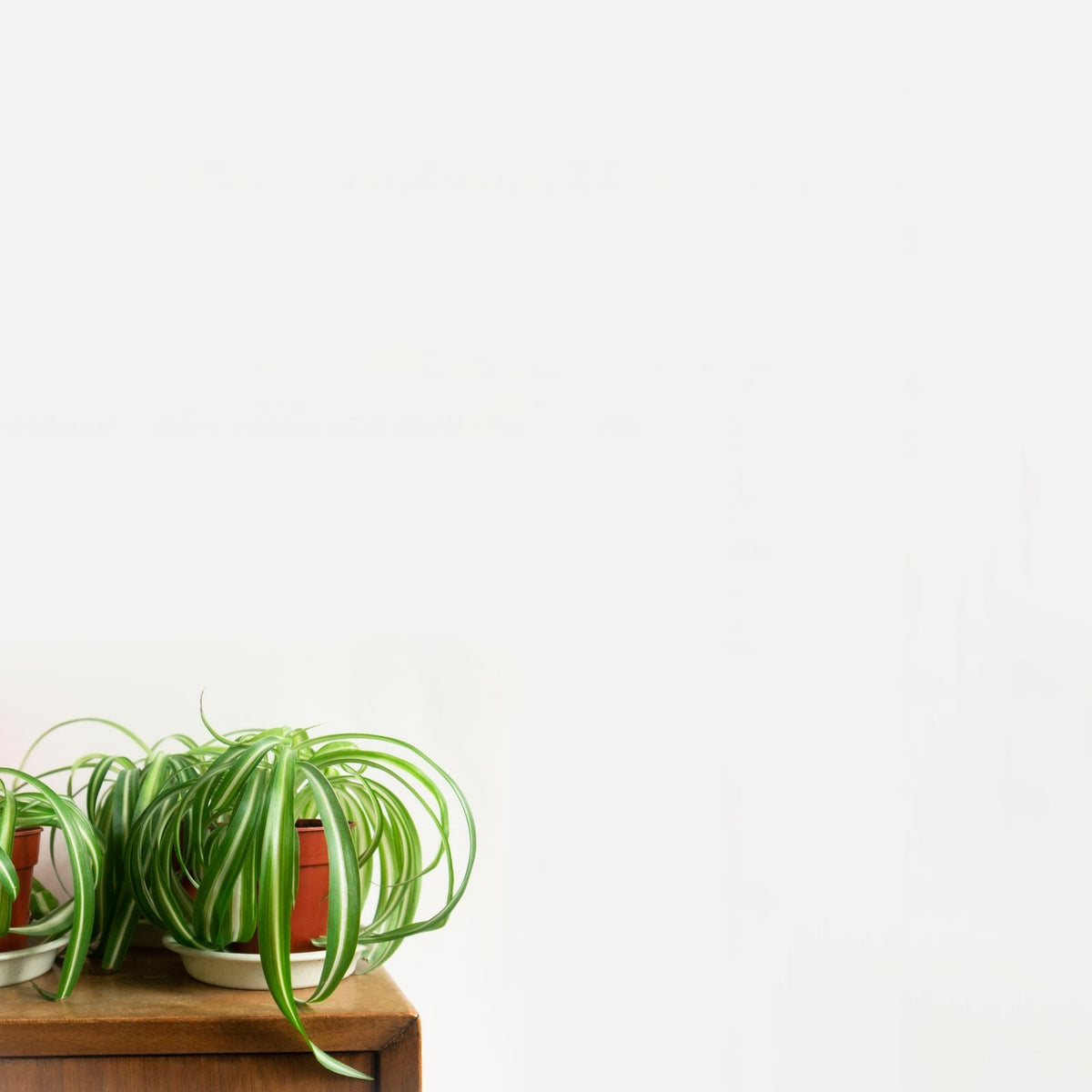
You can reuse old potting soil if the previous plant was healthy, provided you blend it roughly half and half with fresh mix and perlite.
How Cold Is Too Cold for Houseplants?
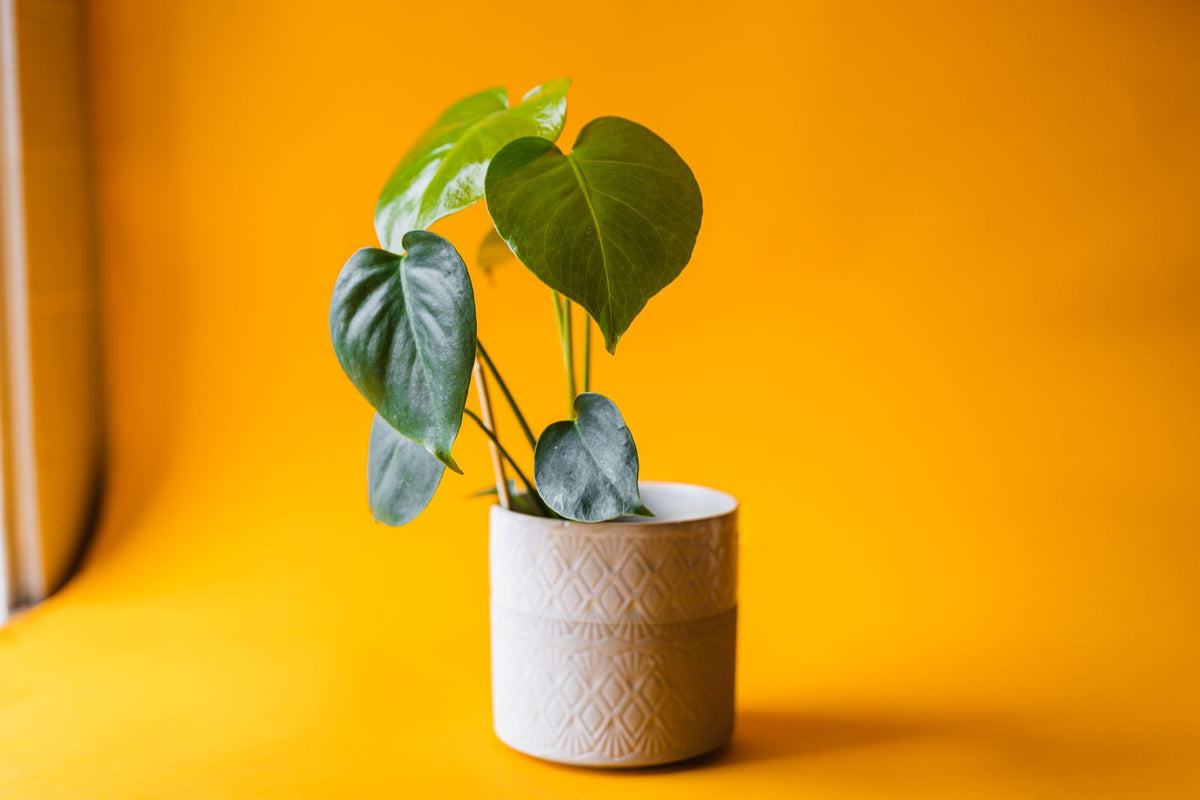
Most tropical houseplants start to suffer below about 12 to 15C, and chilling injury sets in under 10 to 12C long before any risk of freezing.
Peat vs Coco Coir: Which Holds Water Better?
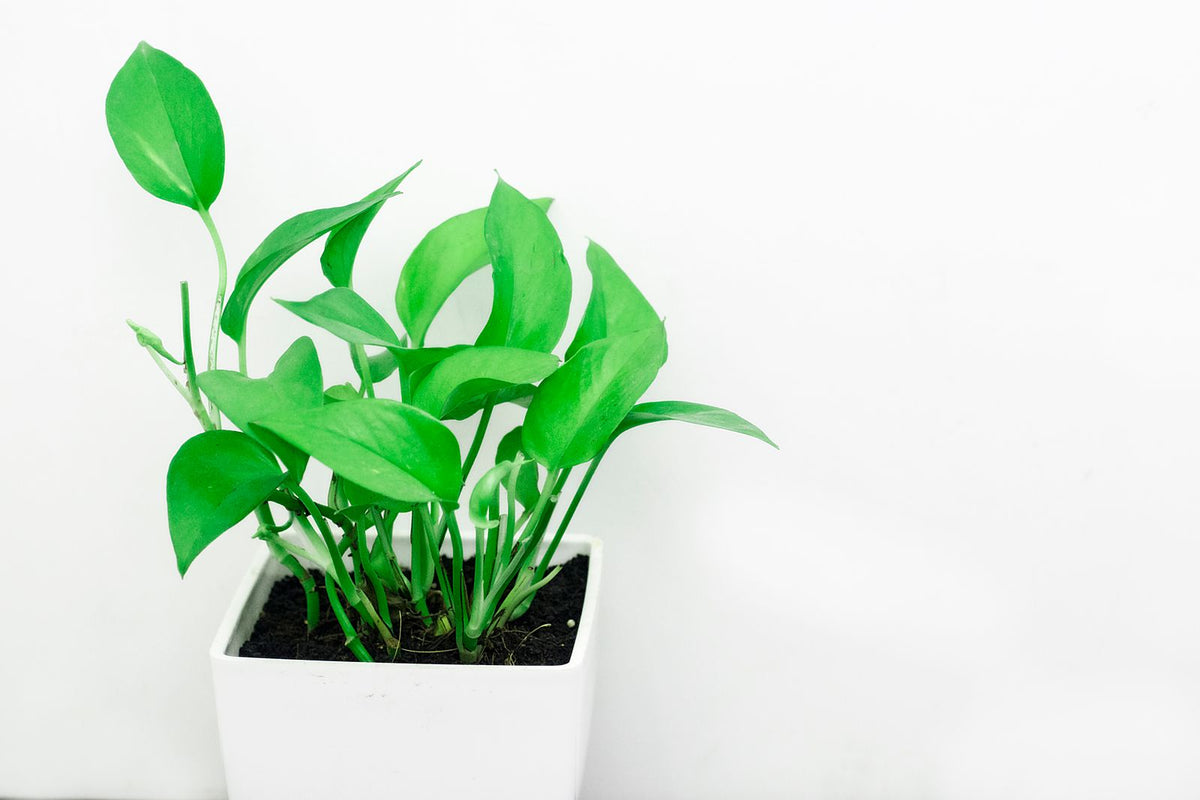
Peat holds slightly more water than coco coir, but coir rewets far more readily once dry, which matters more in practice for houseplants.
Watering Globes vs Terracotta Spikes: Which Works Better?
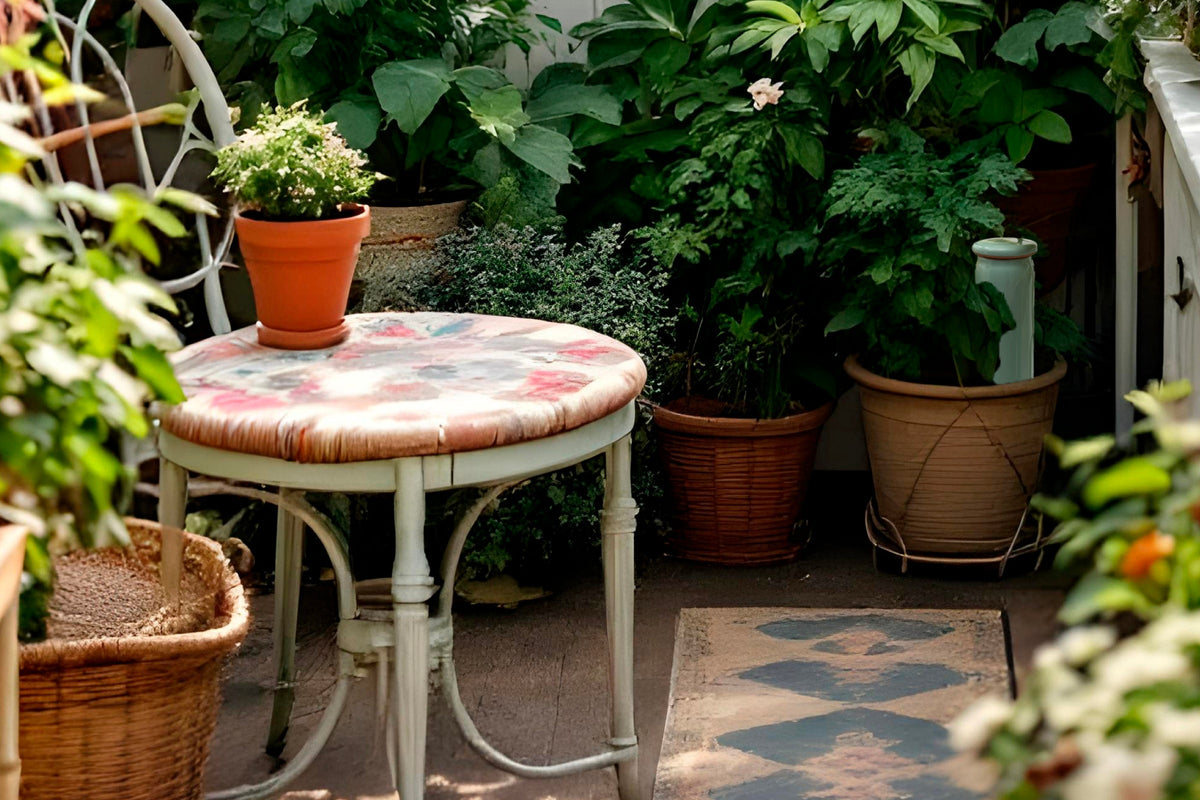
Terracotta spikes beat watering globes for unattended watering because clay releases water on soil demand, while globes flow on air pressure alone.
Do Eggshells and Banana Peels Actually Feed Plants?
No, eggshells and banana peels release nutrients far too slowly to feed a houseplant, and burying them in a pot invites gnats and mould.
Thrips on Houseplants: How to Identify and Get Rid of Them
Thrips cause silvery stippling and black faecal specks, and clearing them takes repeated soap or oil sprays every five to seven days for several weeks.
Transplant Shock: What It Is and How Long It Lasts
Transplant shock is the loss of fragile root hairs during repotting, and it normally resolves in two to four weeks without extra water.
Are Humidifiers Worth It for Houseplants?
Humidifiers are worth it for humidity-loving houseplants and dry heated homes, because they are the only method that reliably raises room humidity.
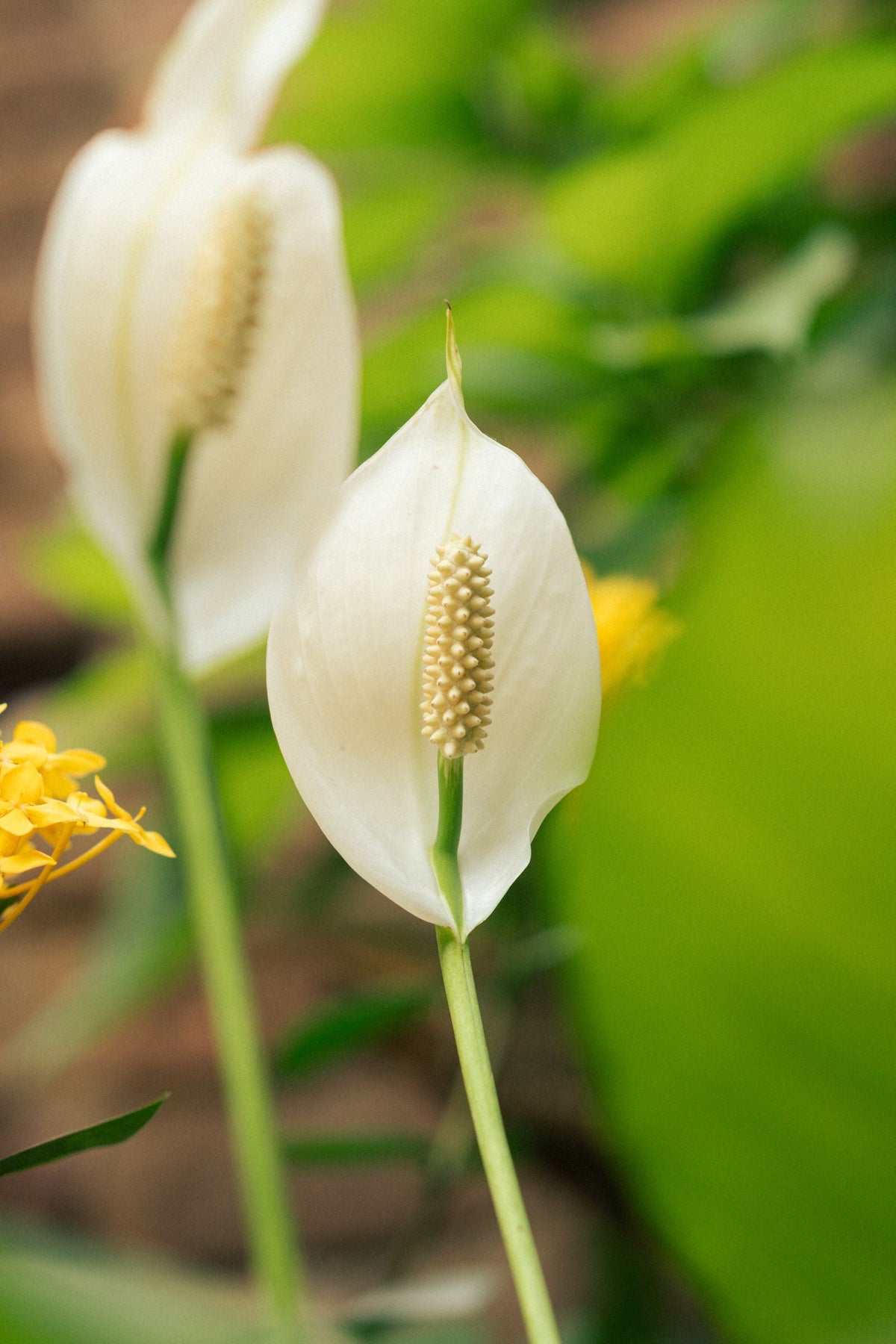
Best Houseplants for a Bathroom
The best bathroom houseplants are ferns, pothos, peace lily, spider plant and ZZ plant, matched to your bathroom's light level rather than its humidity.
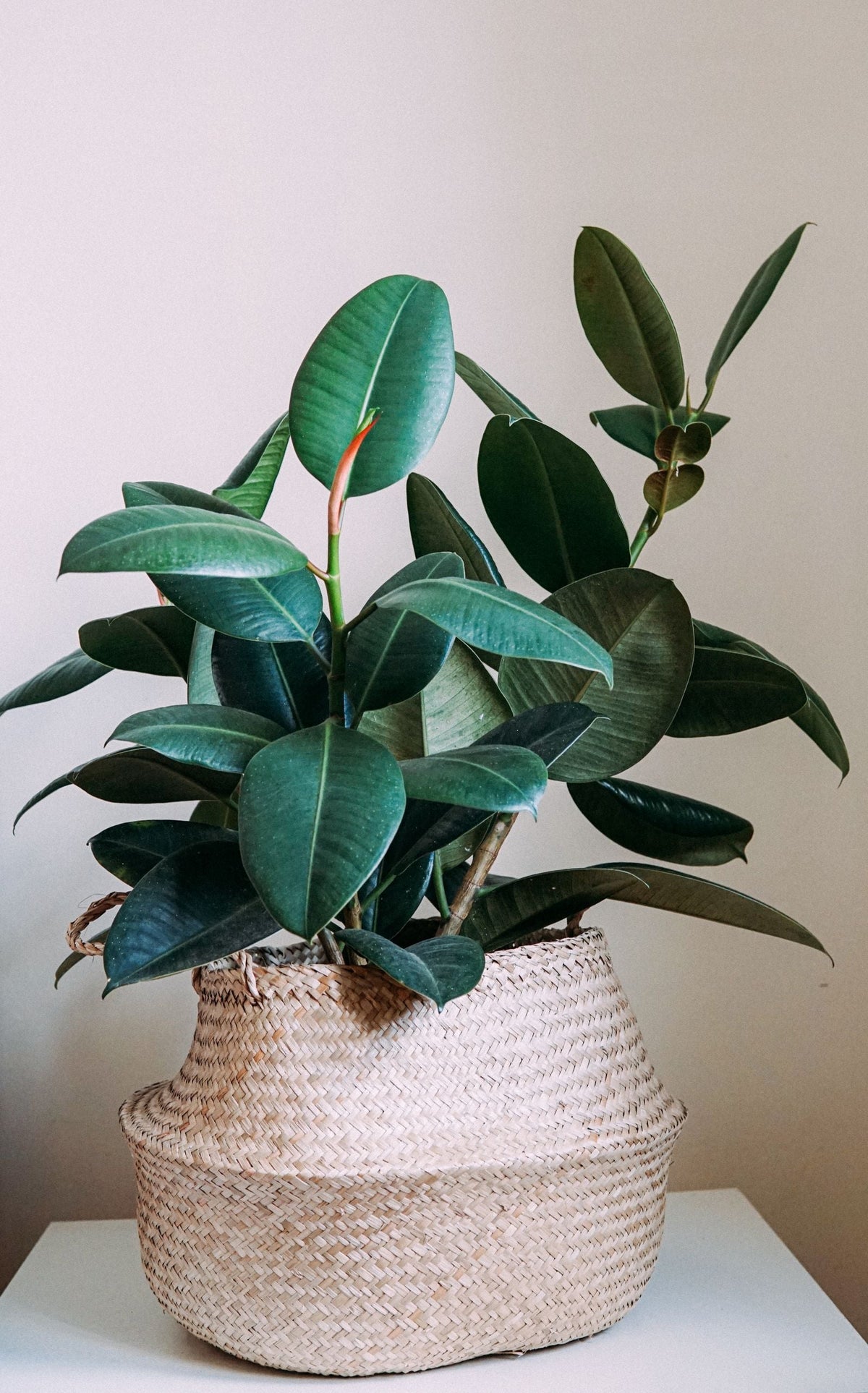
Are Coffee Grounds Good for Houseplants? Not Really
Coffee grounds are not a useful houseplant fertiliser because their nitrogen is locked in organic matter that only microbes can slowly release.
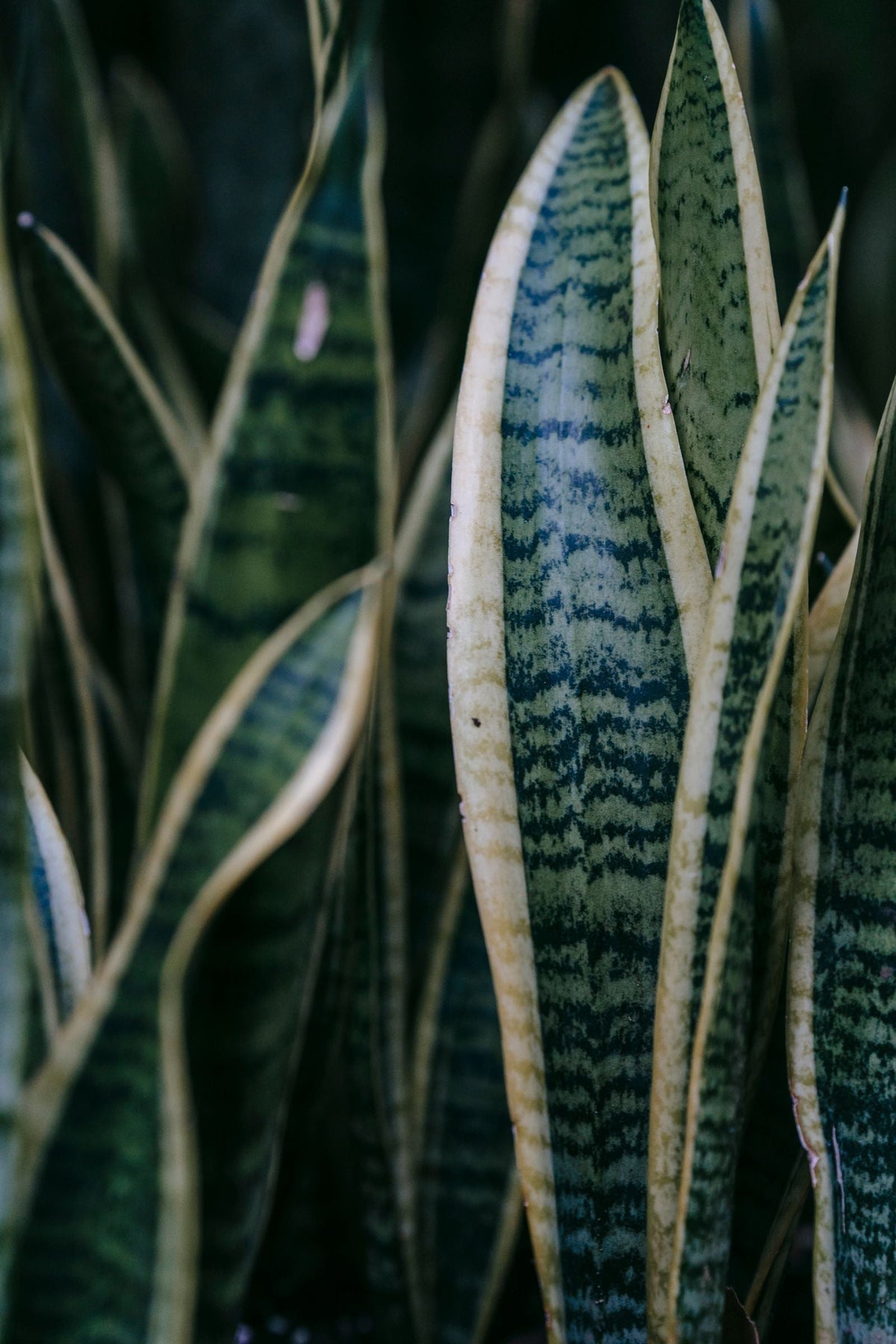
Should You Water Before or After Repotting? Both, Actually
Water thoroughly the day before repotting and once lightly afterwards to settle the mix, then back off and let the pot dry down.
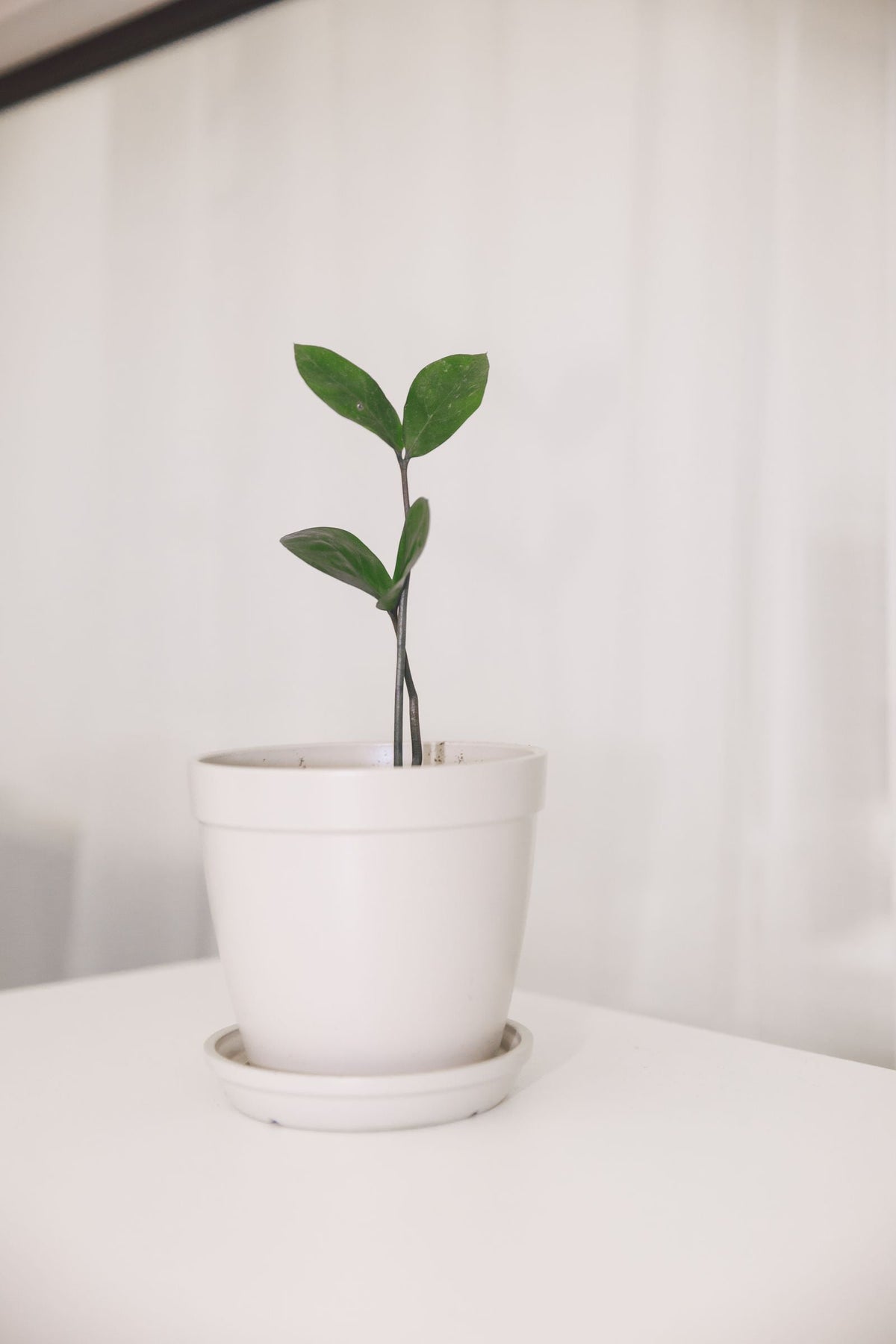
How to Move Houseplants Without Killing Them
Move houseplants safely by watering two or three days ahead, sleeving the foliage, never leaving them in a parked car, and settling them for two weeks.
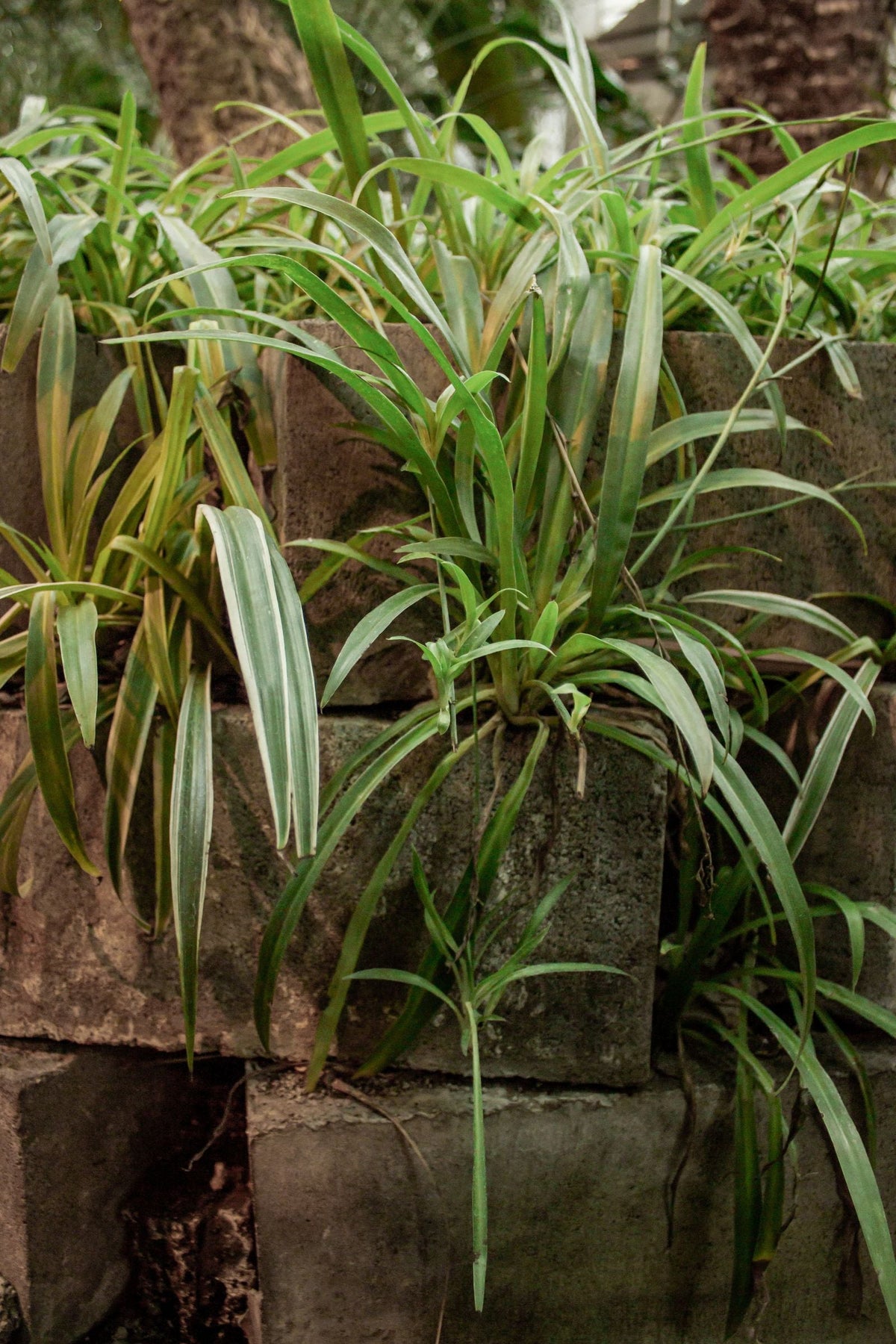
Do Pebble Trays Actually Raise Humidity? Barely
Pebble trays raise humidity by only a few percent within centimetres of the water surface, so a humidifier or enclosed cabinet works far better.
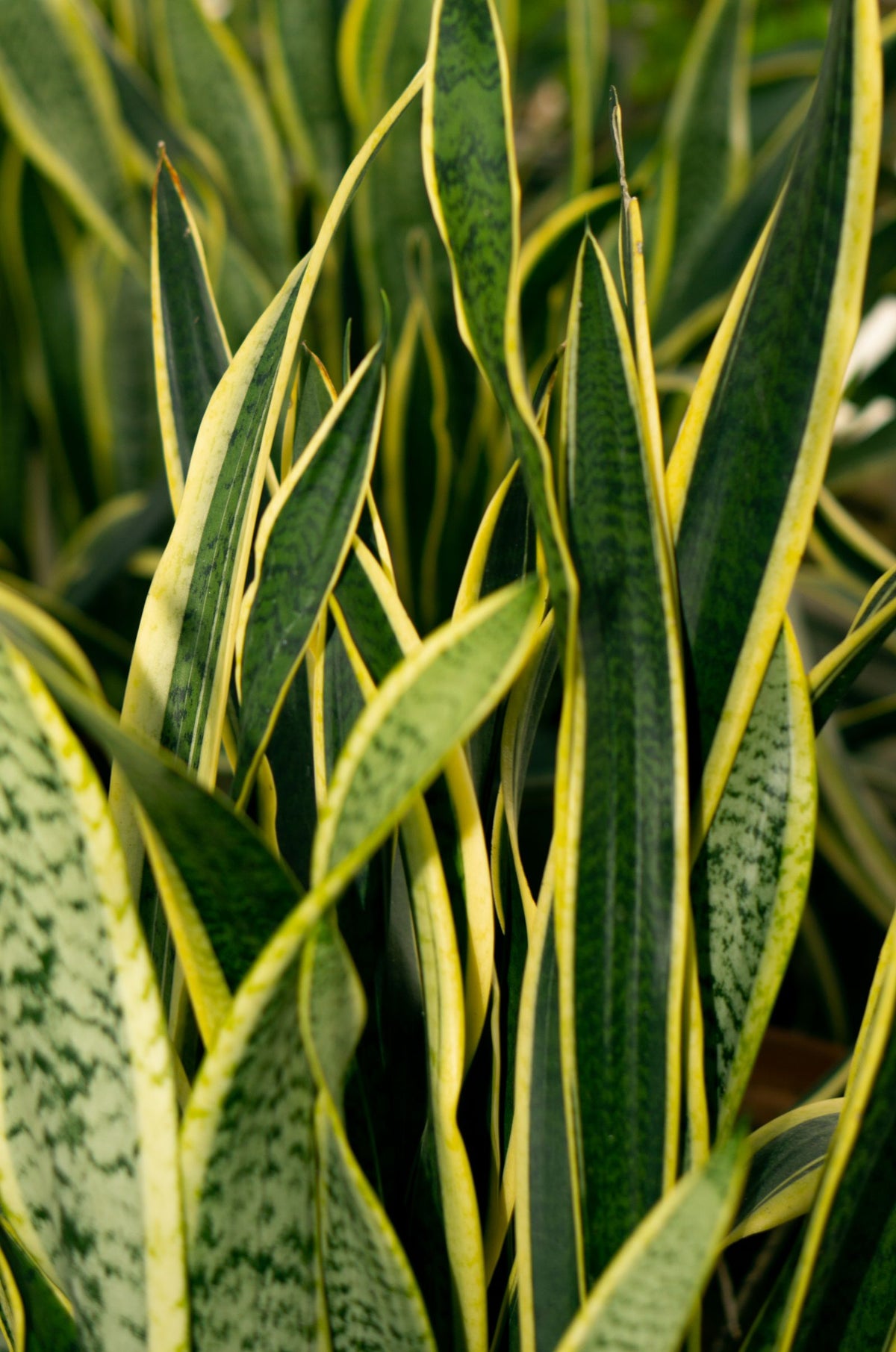
Best Houseplants for Beginners That Tolerate Neglect
The spider plant is the best houseplant for beginners because it grows fast, forgives most mistakes and is non-toxic to cats and dogs per the ASPCA.
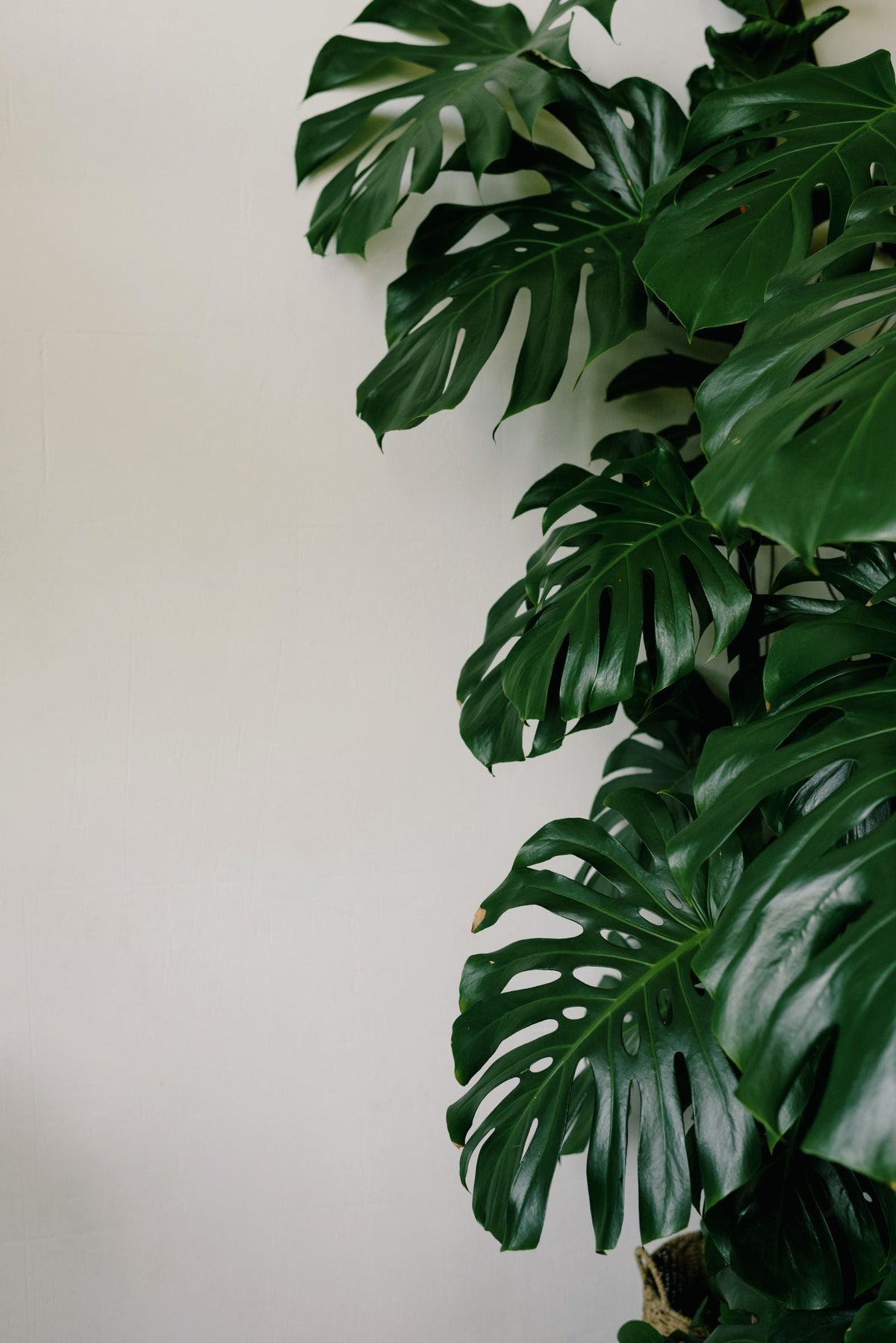
How to Repot a Houseplant Without Killing It
Water the day before, go up one pot size only, keep the root ball intact, water in once to settle, then skip fertiliser for six weeks.
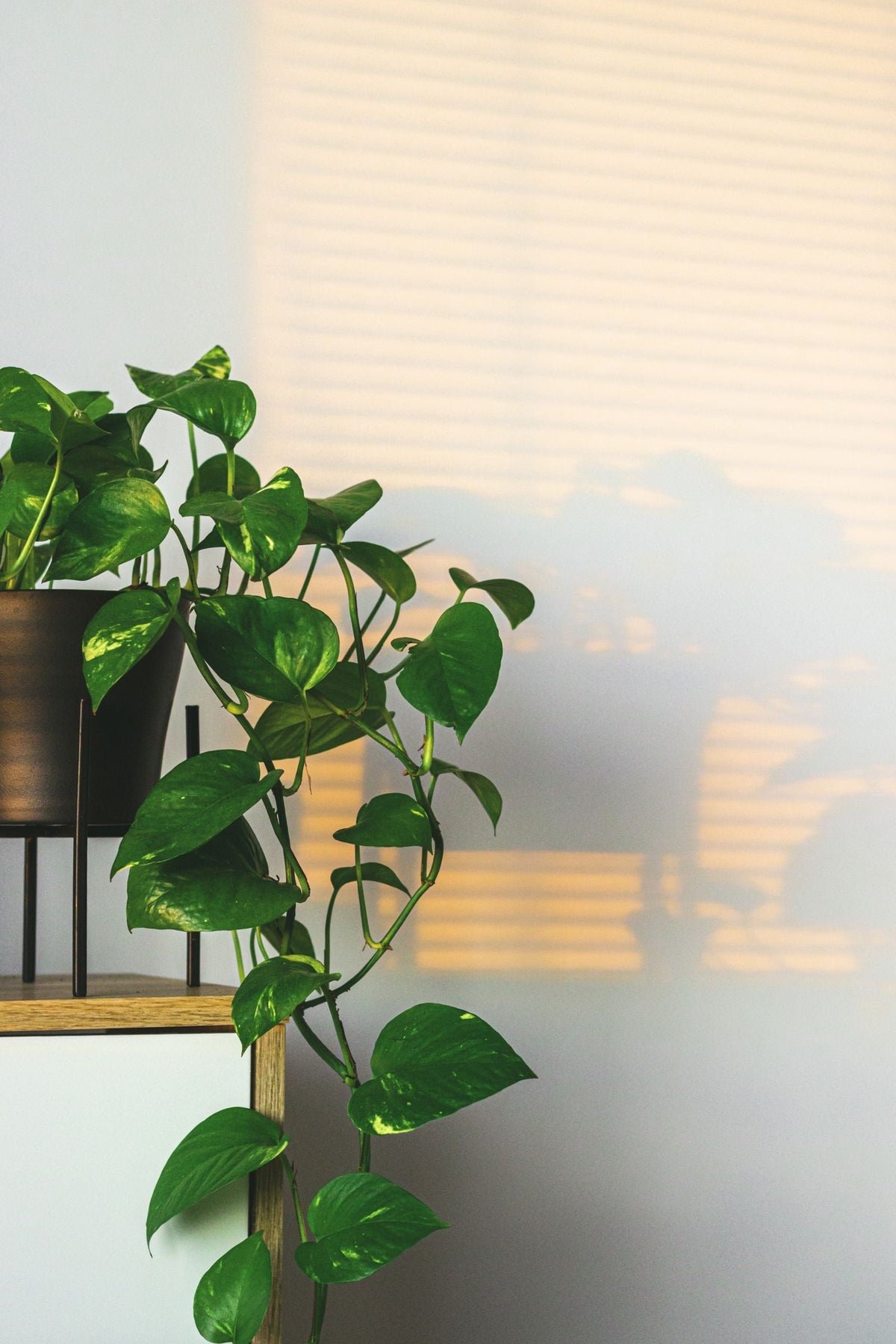
Do Houseplants Go Dormant Indoors?
Most houseplants do not truly go dormant indoors; tropical foliage plants simply slow down as light falls, while bulbs and tubers rest properly.
Liquid vs Slow-Release Fertilizer: Which Is Better?
Liquid fertiliser wins for indoor control and precision, while slow-release prills suit large, low-maintenance plants you would rather not feed often.
Perlite vs Vermiculite: Which One Does Your Soil Need?
Perlite adds air-filled porosity and drainage while vermiculite holds water and nutrients, so they do opposite jobs and are not interchangeable.
What Humidity Do Houseplants Actually Need?
Most houseplants do well at 40-60% relative humidity and many tolerate 30-40%, while true tropicals like calatheas and ferns want 60% or more.
Should You Fertilize Houseplants in Winter?
Mostly no: low winter light limits growth, so fertiliser is not taken up and accumulates as salts, and feeding should pause until spring growth returns.
How Long Can Houseplants Go Without Water?
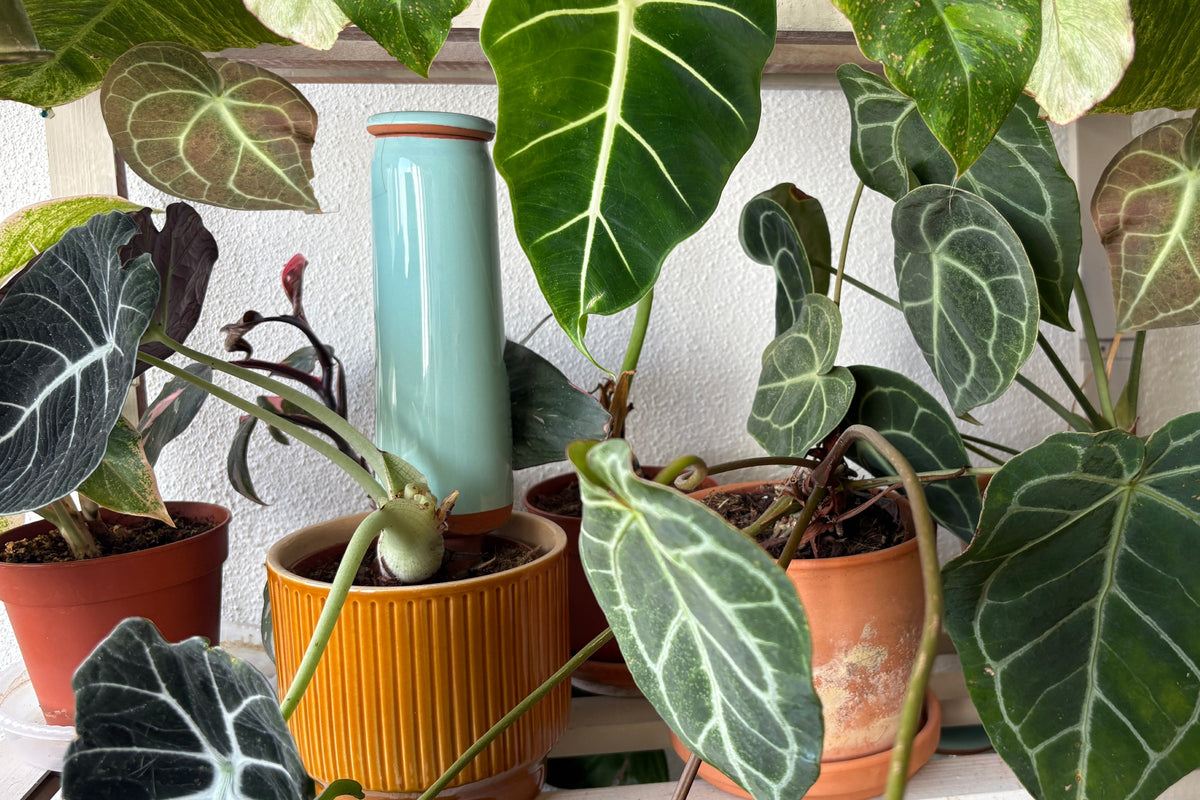
Most houseplants last 2 to 3 weeks without water, while succulents manage months and thirsty tropicals in small pots only 5 to 10 days.
Best Houseplants for People Who Forget to Water
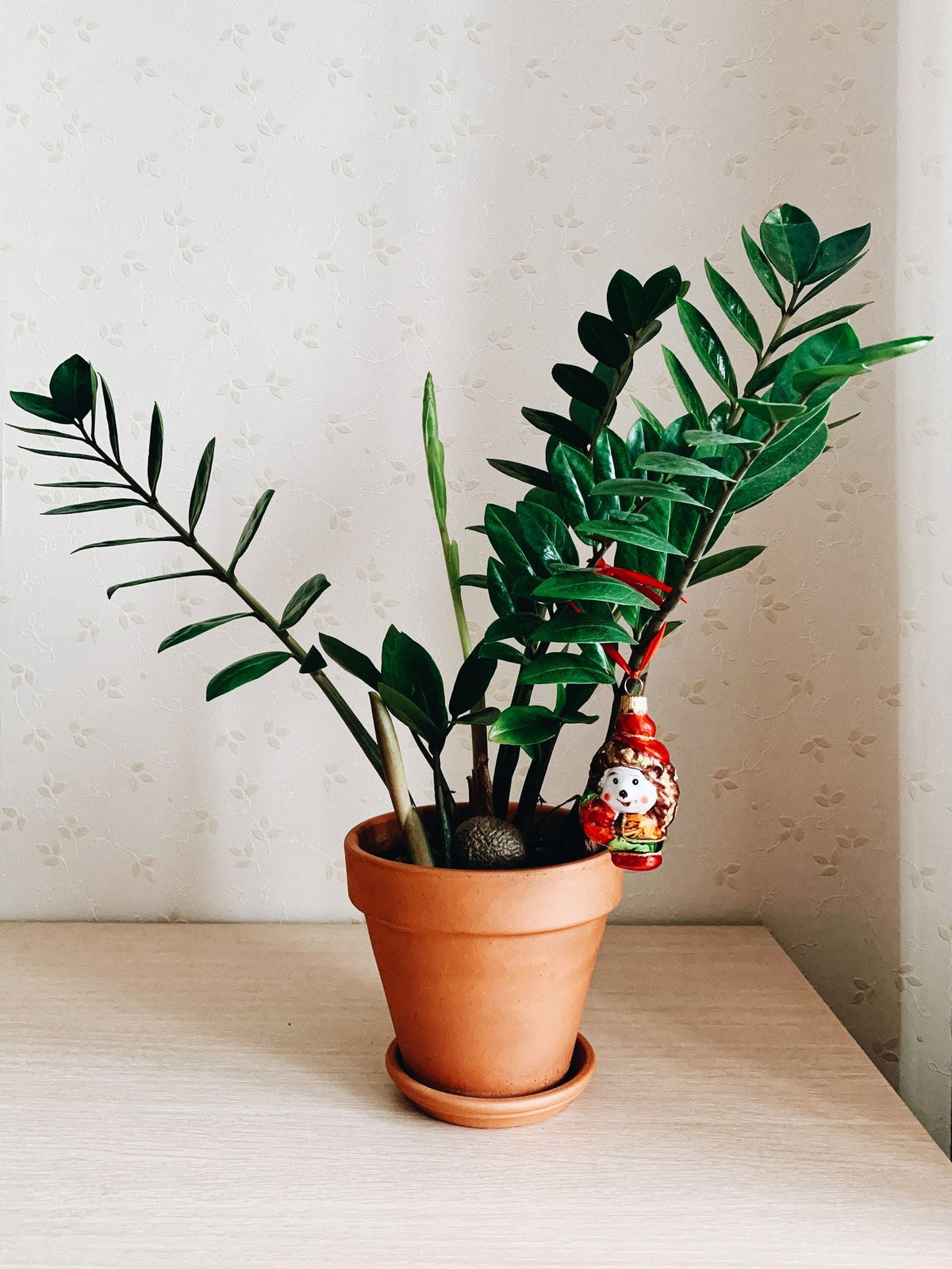
The ZZ plant is the best houseplant if you forget to water, going 2 to 4 weeks between drinks, with snake plant, pothos and jade close behind.
When to Repot a Houseplant: 6 Signs It's Time
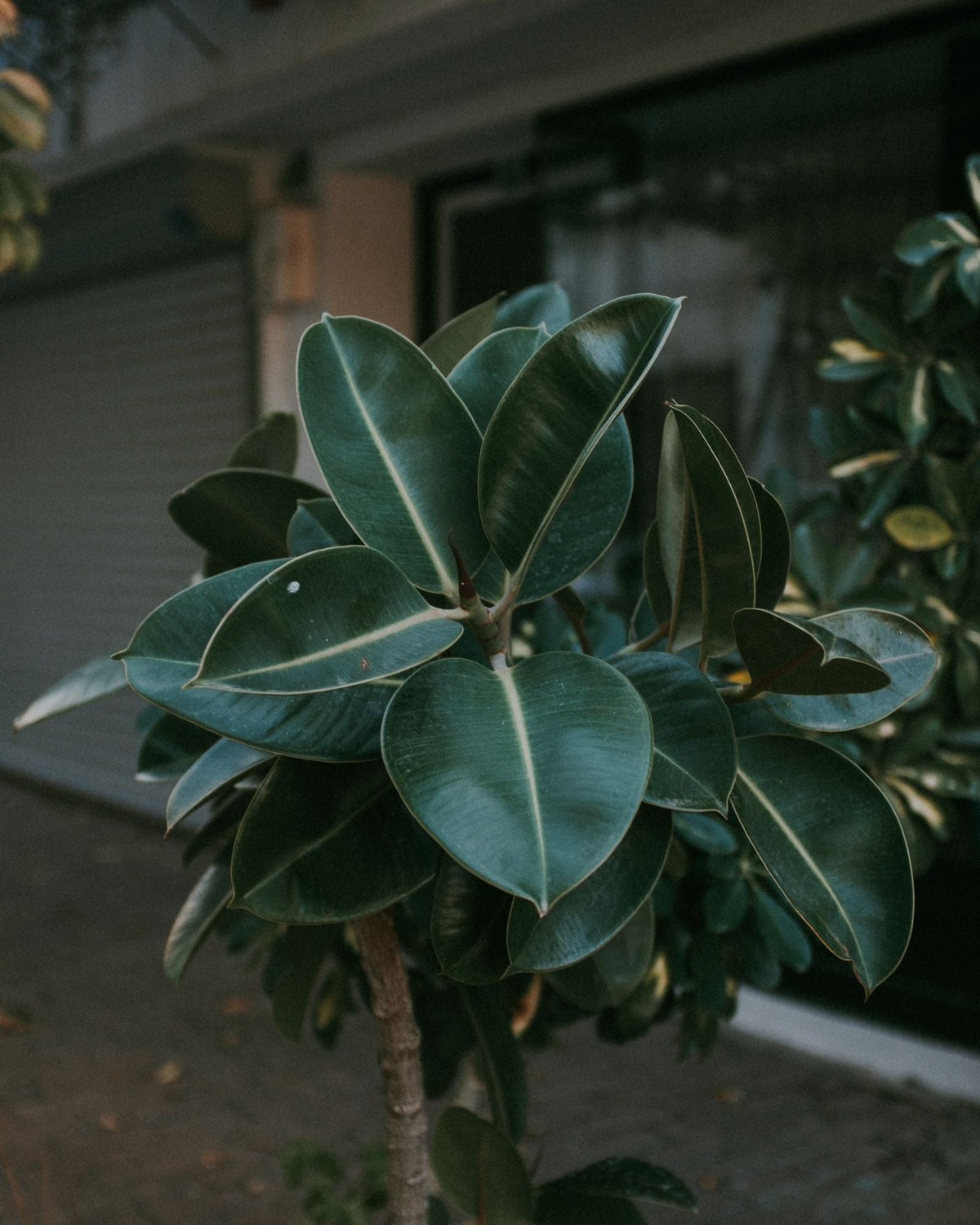
Repot when roots escape the drainage holes, water runs straight through, the pot dries in a day, or growth stalls in spring.
What Is Perched Water and Why It Rots Roots
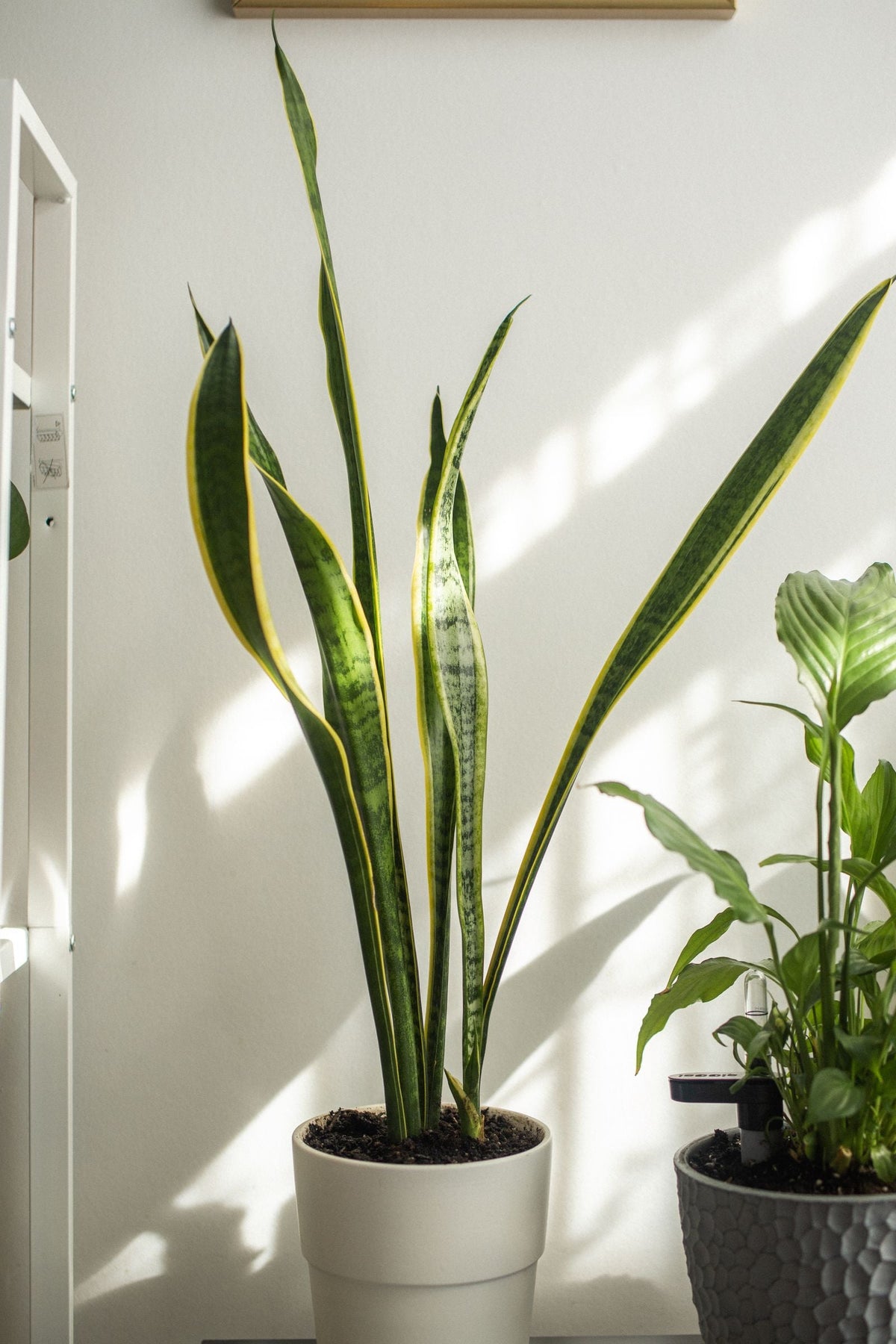
Perched water is a saturated zone at the base of every pot, held there by capillary forces in the mix until gravity finally overcomes them.